Total Pageviews

Monday, May 11, 2026

A hungry driver cannot build a strong nation but a cared-for driver will proudly drive India forward.


29 Jan 2026


To
Honourable Prime Minister of India
Shri Narendra Modi Ji


Ref: PMOPG/E/2026/0016657 Dt. 29.01.2026


Subject: Open Letter on Grievances, Challenges, and a National Welfare Vision for India’s Drivers (PM Ma Annapurna & PM Driver Kalyan Mission)


Respected Prime Minister Shri Narendra Modi Ji,


I write this open letter on behalf of crores of India’s drivers—truck drivers, bus drivers, taxi drivers, tourist vehicle drivers, and conductors—our true “Driver Bhai” who keep Bharat moving day and night.

They are the silent backbone of our economy, supply chains, tourism, emergency services, and daily life. Yet, despite their contribution, drivers remain among the most vulnerable and neglected sections of our workforce—facing food insecurity, lack of social protection, health risks, and unstable incomes.

This letter humbly presents a grievance, a challenge, and a solution-oriented national vision—one that the BJP-led Central Government can champion to create lasting social impact and a stronger national footprint across India, including South India.


 1. The Ground Reality: Challenges Faced by Drivers

  • No assured access to hygienic, affordable food during long-distance travel
  • Irregular work hours causing health, fatigue, and accident risks
  • Minimal coverage under PF, NPS, insurance, or medical security
  • Exploitation in unorganized transport and tourism sectors
  • No single national identity or welfare linkage for drivers

A driver feeds the nation, yet often sleeps hungry.

 2. Proposal 1: PM Ma Annapurna Program for Drivers & Poor

Objective: Food Security with Dignity

Key Features:

  • Unlimited nutritious meals @ ₹10/- paid by the driver
  • ₹10/- subsidy by Central Government
  • ₹30/- claimed by participating hotels/dhabas under CSR

Total meal value: ₹50/- | Driver pays only ₹10/-

Implementation Framework

  • PM Ma Annapurna Restaurants / Partner Hotels every 10 km on highways and major routes
  • Aadhaar-based food pass for:
    • Registered drivers
    • Poor and migrant workers
  • Linking via Aadhaar + Vehicle Number to avoid misuse
  • Mandatory participation and display by roadside hotels & dhabas

This single step can eliminate hunger for drivers across India.


3. Proposal 2: PM Driver Social Security & Kalyan Mission

Funding Mechanism (Simple & Sustainable)

Introduce a mandatory welfare component in:

  • Transport businesses
  • Tourist operators
  • Taxi & logistics companies

₹1 per km per vehicle to be charged from the customer
(Impact on customer: negligible | Impact on drivers: transformational)

Utilisation of Funds

  • 50% contribution to each driver’s:
    • NPS / PF
    • Life Insurance
    • Accident Insurance
    • Medical Insurance
  • 25% dedicated to Driver Food Security (PM Ma Annapurna)
  • Remaining funds for:
    • Skill development
    • Rest facilities
    • Emergency assistance


4. PM Driver Kalyan Card (Linked with Aadhaar)

  • National PM Driver Kalyan Card linked with Aadhaar
  • Mandatory trip-wise driver linkage:
    • Driver
    • Vehicle
    • Operator
  • Applicable to:
    • Transporters
    • Tourist operators
    • Taxi aggregators

This ensures accountability, transparency, and inclusion.


5. Pilot Project & National Rollout

  • Pilot launch in Kerala (high literacy, tourism, logistics density)
  • Review after 1 month
  • Pan-India rollout across highways and urban centers


6. National & Political Impact

  • Direct benefit to crores of working-class families
  • Strengthens BJP’s image as a pro-worker, pro-poor, reform-driven government
  • Builds deep trust in South India and across Bharat
  • Aligns with:
    • Sabka Saath, Sabka Vikas
    • Antyodaya
    • Amrit Kaal Vision

A hungry driver cannot build a strong nation—but a cared-for driver will proudly drive India forward.


Closing Appeal

Honourable Prime Minister Ji,


This is not charity. This is nation-building.

By launching PM Ma Annapurna for Drivers and PM Driver Kalyan Mission, your leadership can ensure that no driver sleeps hungry, uninsured, or invisible.


With faith in your vision and commitment to inclusive growth, I respectfully urge the Government of India to consider and implement these proposals at the earliest.

Jai Hind. Jai Bharat.

Warm regards,
Kishor Kumar Bhatia
Citizen of India


Tuesday, April 14, 2026

वजन का तो पता नहीं, पर जिसके साथ खड़े हो जाएं। उसका पलड़ा भारी कर देंगे !

वजन का तो पता नहीं, पर जिसके साथ खड़े हो जाएं। उसका पलड़ा भारी कर देंगे !

Wednesday, December 10, 2025

क्या भगवान का अस्तित्व है?


1902 में, एक प्रोफ़ेसर ने अपने छात्र से पूछा कि क्या ब्रह्मांड में मौजूद हर चीज़ भगवान ने बनाई है?

छात्र ने उत्तर दिया: हाँ

प्रोफ़ेसर ने फिर पूछा: तो बुराई के बारे में क्या?
क्या भगवान ने बुराई भी बनाई है?

छात्र चुप हो गया…

फिर छात्र ने अनुमति माँगी कि क्या वह भी एक प्रश्न पूछ सकता है?

प्रोफ़ेसर ने उसे अनुमति दे दी।

छात्र ने पूछा: क्या ठंड का अस्तित्व है?

प्रोफ़ेसर ने कहा: हाँ! क्या तुम्हें ठंड महसूस नहीं होती?

छात्र ने कहा: माफ़ कीजिए सर, आप गलत हैं। ठंड नाम की कोई चीज़ नहीं होती।
ठंड तो सिर्फ़ ऊष्मा की अनुपस्थिति है।

छात्र ने फिर पूछा: क्या अंधकार का अस्तित्व है?

प्रोफ़ेसर बोले: हाँ!

छात्र ने उत्तर दिया: आप फिर गलत हैं सर। अंधकार नाम की भी कोई चीज़ नहीं होती।
यह तो केवल प्रकाश की अनुपस्थिति है।
सर, हम हमेशा ऊष्मा और प्रकाश का अध्ययन करते हैं, न कि ठंड और अंधकार का।

ठीक इसी प्रकार बुराई का भी कोई अस्तित्व नहीं है।
वह तो बस प्रेम, आस्था और भगवान में सच्चे विश्वास की अनुपस्थिति है।

वह छात्र अल्बर्ट आइंस्टीन थे…!!!

Monday, October 13, 2025

429. Stock Market for Beginners in India (2025 Guide to Smart Investing)


Want to start investing in the stock market in 2025? This beginner’s guide explains stock basics, investment strategies, top tips, and mistakes to avoid for long-term wealth creation in India.


Introduction: Why Stock Market Investment Matters in 2025

The Indian stock market is booming as India moves toward becoming a $10 trillion economy by 2030. More retail investors are entering the market through online trading platforms and mobile apps. If you’re a beginner, this guide will help you understand the stock market basics, best strategies, and how to invest safely.


What is the Stock Market?

The stock market is a place where shares of companies are bought and sold. When you buy a share, you become a part-owner of that company. Your wealth grows if the company performs well, and its share price increases.


How to Start Investing in Stocks in India

To begin your investment journey:

  1. Open a Demat & Trading Account with a SEBI-registered broker like Zerodha, Upstox, or Angel One.

  2. Complete KYC (PAN, Aadhaar, Bank account).

  3. Fund your trading account through net banking or UPI.

  4. Start small with stable companies or ETFs before moving to high-risk stocks.


Best Stock Market Tips for Beginners (2025 Edition)

✅ Invest for the long term – Wealth grows when you stay invested for years, not days.
✅ Diversify your portfolio – Don’t put all money in one stock; spread across sectors.
✅ Follow Nifty & Sensex trends – India’s benchmark indices reflect overall market health.
✅ Avoid emotional trading – Greed and fear are your biggest enemies.
✅ Learn basic financial terms – P/E ratio, Dividend, Market Cap, etc.


Common Mistakes to Avoid

❌ Chasing “hot tips” from friends or social media.
❌ Putting all savings into stocks without an emergency fund.
❌ Ignoring research and relying only on luck.
❌ Selling in panic during market falls.


Top Sectors to Watch in 2025

  • Renewable Energy & EV Stocks – As India pushes for green energy.

  • Banking & Fintech – Growth with digital payments and financial inclusion.

  • Technology & AI Companies – Riding on India’s digital transformation.

  • Pharma & Healthcare – Rising demand for global and domestic needs.


Final Thoughts

The stock market is a powerful tool to grow your wealth, but only if you invest with discipline, patience, and research. Start small, learn continuously, and focus on long-term wealth creation.


👉 Pro Tip: If you’re serious about stock investing, keep reading finance blogs, follow SEBI updates, and track global trends.

Friday, September 5, 2025

GST 2.0, rolling out on 22 September 2025, ushers in sweeping tax revisions across item categories and sectors. Here's how the GST landscape is reshaping:


Overview of Rate Changes

New Structure:

  • Main slabs: 5% and 18%

  • Special “demerit” slab: 40% for luxury and sin goods

Sector- and Item-Wise Impact

Essential Food & Beverages

Agriculture & Fertilizers

Healthcare & Medical Items

Personal Care & Household

Consumer Electronics & White Goods

Automobile Sector

  • 18%: Small petrol/LPG/CNG cars (≤1200 cc & ≤4 m), small diesel cars (≤1500 cc & ≤4 m), three-wheelers, motorcycles ≤350 cc, ambulances, goods transport vehicles, tractors (small), bicycles

  • 40%: Large cars ( >1500 cc or >4 m), SUVs/MUVs, luxury vehicles, motorcycles >350 cc, high-end EVs

  • 5%: Electric vehicles (unchanged)
    Business StandardThe Indian ExpressReutersThe Economic TimesMoneycontrol

Textiles & Apparel

  • GST lowered to 5% on manmade yarns/fibres and synthetic textiles; apparel priced above ₹2,500 now taxed at 18% (up from 12%)
    scanx.tradeReuters

Energy & Mining

Building Materials & Chemicals

Beverages, Tobacco & Sin Goods

Logistics & Transport Services

  • 5%: Multimodal transport, freight, GTA services


Thursday, August 21, 2025

India strategy for next few years - India's economic growth trajectory for 2025-2026 - Key highlights from India's Economic Survey 2024-25


India's economic growth trajectory for 2025-2026 is shaped by ambitious government initiatives, technological advancements, and sector-specific investments. Here’s a deep dive into each sector's growth potential, plans, and expected GDP contributions:


1. Innovation Hub and Intellectual Property

  • Current State: India is 40th on the Global Innovation Index (2023), improving rapidly through focused R&D efforts.
  • Plans:
    • IndiaAI Mission: $1.25 billion allocated for AI hubs, skill development, and AI-assisted public services.
    • Patent Filing Support: Simplified processes and reduced fees for startups and MSMEs to encourage intellectual property creation.
  • Growth Potential:
    • 15% increase in patents annually, with projected revenues of $5 billion from AI-driven solutions by 2026.
    • Contribution to GDP: ~1.5% (up from ~1.1% in 2023).

2. Information Technology (IT) and Artificial Intelligence (AI)

  • Current Contribution: IT contributes ~8% to GDP ($250 billion).
  • Growth Drivers:
    • AI, Cloud Computing, and 5G expansion.
    • Government-backed digitization (e.g., BharatNet project connecting 6 lakh villages).
  • Projections:
    • IT and AI sector to grow by 15-17% annually.
    • Contribution to GDP: ~10% by 2026.

3. Manufacturing and 'Make in India'

  • Focus Areas: Electronics, defense, textiles, and renewable energy equipment.
  • Initiatives:
    • Production-Linked Incentive (PLI) Schemes: Extended to sectors like automotive, solar modules, and drones.
    • Electronics manufacturing expected to touch $300 billion by 2026.
  • Projections:
    • Manufacturing growth rate: ~10-12% annually.
    • Contribution to GDP: ~22% (from ~17% in 2023).

4. Health Sector

  • Key Investments:
    • National Digital Health Mission: Digital records for all citizens.
    • Expansion of AIIMS-like institutions and rural health centers.
    • Increased healthcare spending to 2.5% of GDP (from ~1.5%).
  • Growth Potential:
    • Healthcare industry to reach $372 billion by 2026.
    • Contribution to GDP: ~4.5% (up from ~3.5%).

5. Real Estate Sector

  • Urban Development:
    • Smart Cities Mission: Focused on 100 cities with advanced infrastructure.
    • Affordable Housing Fund: Extended for urban and rural housing.
  • Growth Projections:
    • Real estate market to grow at 9% CAGR, reaching $1 trillion by 2030.
    • Contribution to GDP: ~10% by 2026.

6. Energy Sector

  • Renewable Energy:
    • India targets 500 GW of renewable energy by 2030, with 50% from solar and wind.
    • Green Hydrogen Mission: $2 billion investment to boost hydrogen energy production.
  • Natural Gas and Infrastructure:
    • One Nation, One Gas Grid: Expanding the gas pipeline network to 34,500 km.
    • Gas-based economy targeted to increase natural gas share to 15% of energy mix.
  • Projections:
    • Renewable energy CAGR: ~14%.
    • Contribution to GDP: ~5% by 2026.

7. Infrastructure Development

Transportation and Connectivity

  • Highway Development:
    • National Infrastructure Pipeline (NIP): $1.4 trillion investment in highways and railways.
    • Bharatmala Project: Construction of 34,800 km of highways.
  • Railways:
    • Electrification of 100% of rail routes by 2030.
    • Semi-high-speed rail projects like Vande Bharat trains.

Waterways and River Linking

  • Initiatives:
    • Inland Waterways: 23 operational routes by 2026.
    • Ken-Betwa River Linking Project: Addresses irrigation for 1.08 million hectares.
  • Projections:
    • Logistics cost reduction by 4-5%.
    • Contribution to GDP: Transportation ~10%, waterways ~1.5%.

8. Automobile Sector

  • Focus: Transition to Electric Vehicles (EVs).
  • Government Push:
    • Faster Adoption and Manufacturing of Electric Vehicles (FAME-II): $1.3 billion allocated for EV infrastructure.
  • Projections:
    • EV market CAGR: ~36%.
    • Contribution to GDP: Automobile ~8.5% by 2026.

9. Sewage System, Solid Waste Management, and Urban Infrastructure

  • Investments:
    • AMRUT 2.0 and Swachh Bharat Mission 2.0: $15 billion for waste and sanitation management.
    • Focus on energy generation from waste.
  • Projections:
    • Contribution to GDP: ~0.8%.

10. Agriculture and Rural Development

  • Irrigation and Smart Farming:
    • PM-Kisan and micro-irrigation schemes.
    • Drone technology for crop monitoring.
  • Projections:
    • Agriculture growth: ~4% annually.
    • Contribution to GDP: ~14%.

Summary of GDP Contribution Projections (2026):

Sector Contribution to GDP (%)
IT and AI 10
Manufacturing ('Make in India') 22
Healthcare 4.5
Real Estate 10
Energy (Renewables, Gas) 5
Infrastructure (Transport) 10
Automobile 8.5
Agriculture 14

India’s economic growth is driven by coordinated efforts across diverse sectors, with a focus on sustainability, technology, and infrastructure. These initiatives aim to solidify India's position as a global economic powerhouse by 2026.


Key highlights from India's Economic Survey 2024-25:


  1. GDP Growth: he Indian economy is projected to grow at 6.5–7% in FY25, aligning with global agency estimates but slightly below the Reserve Bank of India's forecast of 7.2%.
  2. Employment: o accommodate the expanding workforce, India needs to generate approximately 7.85 million non-farm jobs annually until 2030.
  3. Inflation: etail inflation decreased to 5.4% in FY24 from 6.7% in FY23, attributed to effective policy measures. However, food inflation rose to 7.5% in FY24 due to adverse weather affecting agricultural output.
  4. Foreign Direct Investment (FDI): et FDI inflows declined to $26.5 billion in FY24 from $42 billion in FY23, reflecting global economic trends.
  5. Sectoral Performance:
  6. Services: rew by 7.6% in FY24, continuing to be a significant contributor to the economy. - Agriculture: egistered an average annual growth rate of 4.18% over the past five years.
  7. External Sector: ndia's external sector remained robust despite global challenges, with the current account deficit narrowing to 0.7% of GDP in FY24 from 2.0% in FY23.
  8. Energy Needs: ndia's energy requirements are expected to grow 2 to 2.5 times by 2047 to meet developmental priorities. As of May 2024, non-fossil sources constitute 45.4% of the installed electricity generation capacity.
  9. Formal Employment Growth: et payroll additions under the Employees' Provident Fund Organisation have more than doubled over the past five years, indicating robust growth in formal employment.
  10. Emerging Job Demands: here is an increasing need for skills in areas such as Blockchain, Artificial Intelligence, Machine Learning, Internet of Things, Cybersecurity, Cloud Computing, Big Data Analytics, Augmented Reality, Virtual Reality, 3D Printing, and Web and Mobile Development.
  11. Mental Health: he survey highlights that 10.6% of adults in India suffer from mental disorders, with treatment gaps ranging from 70% to 92% for different conditions, advocating for a comprehensive, community-based approach to address this issue. hese insights underscore India's economic resilience and the ongoing efforts to address challenges in employment, inflation, and sectoral growth.

Monday, July 28, 2025

438. Understanding of ROCE & ROE in Equity, Importance of ROCE and ROE during selection on investment in Equity.


ROCE: Return on Capital Employed

Definition:
ROCE is a financial ratio that measures how efficiently a company uses its capital to generate profits. It shows how much profit a company earns for every rupee of capital employed.


ROCE= {Earnings Before Interest and Tax (EBIT)​×100} / Capital Employed


Where:

  • EBIT = Operating profit (before interest and taxes)

  • Capital Employed = Total Assets − Current Liabilities
    (or alternatively: Equity + Long-term Debt)

🔍 Interpretation:

Higher ROCE = The company is using its capital efficiently to generate profits.

> 15% is considered good for most industries.
> 30% is considered excellent and often indicates a competitive advantage or strong operating efficiency.
------------------------------------------------------------------------------------------------------------------


ROE: Return on Equity

Definition:
ROE measures how effectively a company uses shareholders' equity to generate net profit. It shows how much profit a company makes for every rupee invested by shareholders.


ROE= {Net Profit (PAT)​×100} / Shareholders’ Equity

Where:

  • Net Profit (PAT) = Profit After Tax

  • Shareholders’ Equity = Share Capital + Reserves & Surplus (i.e., Net Worth)

🔍 Interpretation:

  • Higher ROE = Better efficiency in using investor funds to generate earnings.

  • > 15% is considered good in most sectors.

  • > 30% is considered very high and often indicates strong profitability or competitive advantages.


Wednesday, March 26, 2025

EPFO plans UPI integration

The Employees’ Provident Fund Organisation (EPFO) is set to integrate Unified Payments Interface (UPI) by May, enabling pensioners and members to access their funds seamlessly.
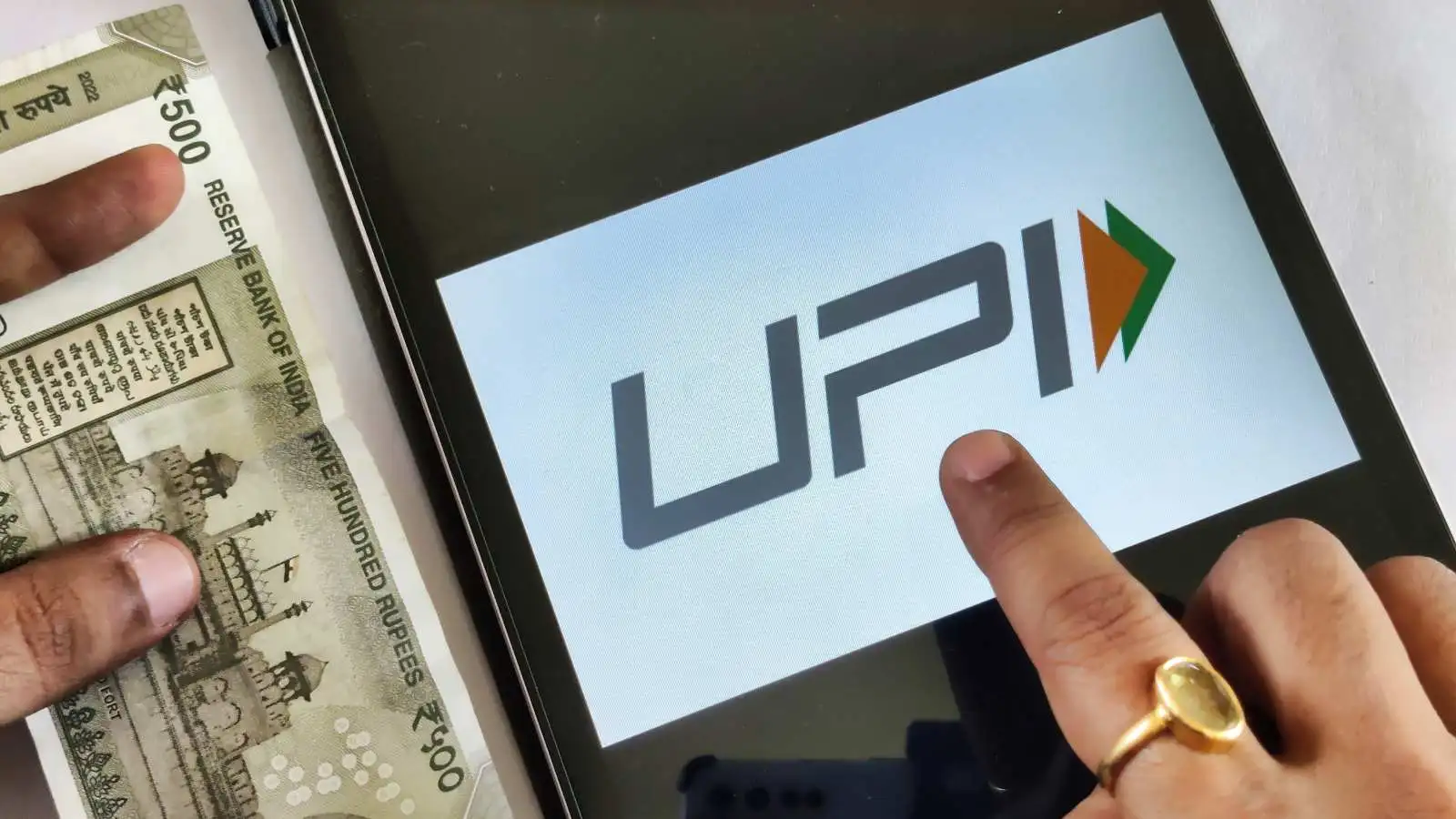
In February 2025, the value of UPI transactions surged to nearly ₹22 lakh crore | Image: Shutterstock

National Payments Corporation of India (NPCI) has provided suggestions for integrating UPI.

Pensioners and members of the Employees’ Provident Fund Organisation (EPFO) may soon be able to access their funds through the Unified Payments Interface (UPI), with the retirement fund body planning to roll out this feature by the end of May.

"EPFO currently has around 7.5 crore active members who maintain their PF accounts and contribute towards their pension. We have undertaken significant work in this regard," Labour and Employment Secretary Sumita Dawra told news agency ANI.

She said that claims up to ₹1 lakh have already been automated, self-correction mechanisms introduced, and unnecessary processes eliminated.

"Our next step is to incorporate UPI into the system," she added.

EPFO access, auto-claims

The official revealed that the National Payments Corporation of India (NPCI) has provided suggestions for integrating UPI, and a proposal has been submitted for EPFO’s consideration.

"After conducting the necessary testing, we expect to roll out the UPI front end for EPFO claims by the end of May," she said.

This will allow members to view their EPFO accounts directly on the UPI interface, file auto-claims, and receive instant approvals if eligible.

“The approval process will be instant if the consumer is eligible, ensuring quick credit to their accounts,” Dawra said.

The secretary noted that stabilising the centralised database will take two to three weeks, after which the front end for UPI integration will be ready.

ATM withdrawal

Earlier this month, Union Labour Minister Mansukh Mandaviya announced the upcoming launch of EPFO 3.0, which will allow subscribers to withdraw funds directly from ATMs using their Universal Account Number (UAN). "In the coming days, EPFO will become equivalent to a bank. You won’t need to visit EPFO offices or your employer. It’s your money, and you can withdraw it whenever you want," Mandaviya said at the inauguration of EPFO’s Telangana Zonal Office.

The announcements come amid robust growth in EPFO membership. According to provisional payroll data released last Thursday, EPFO added 17.89 lakh net members in January 2025, an 11.67% year-on-year increase compared to January 2024.

The data also showed an 11.48% rise in net payroll additions compared to December 2024.

Of the 8.23 lakh new subscribers enrolled in January, 57.07% belonged to the 18-25 age group, marking a 3.07% year-on-year growth.

"This is in consonance with the earlier trend which indicates that most individuals joining the organized workforce are youth, primarily first-time job seekers," a labour ministry statement said.

The net payroll addition for this age group stood at 7.27 lakh, up 8.15% from January 2024. The data also highlighted a significant rise in female participation, with 2.17 lakh new female subscribers added in January, a 6.01% increase year-on-year. Net female payroll additions reached 3.44 lakh, a 13.48% growth compared to January 2024.

Around 15.03 lakh members who exited EPFO rejoined in January, opting to transfer their accumulations rather than seeking final settlements.

Ref: upstox

Tuesday, March 18, 2025

हाई-सिक्योरिटी रजिस्ट्रेशन प्लेट (HSRP) और फ्यूल स्टिकर


हाई-सिक्योरिटी रजिस्ट्रेशन प्लेट (HSRP) और फ्यूल स्टिकर: भारत में अनिवार्यता, लाभ, और चुनौतियाँ

1. प्रस्तावना (Introduction)

भारत में सड़क परिवहन की सुरक्षा और मानकीकरण सुनिश्चित करने के लिए सरकार द्वारा कई महत्वपूर्ण पहल की गई हैं। इनमें से एक महत्वपूर्ण कदम हाई-सिक्योरिटी रजिस्ट्रेशन प्लेट (HSRP) और फ्यूल स्टिकर की अनिवार्यता है। यह पहल न केवल वाहन चोरी और फर्जी नंबर प्लेट को रोकने में सहायक है, बल्कि इससे वाहनों की पहचान, ट्रैकिंग और प्रदूषण नियंत्रण में भी मदद मिलती है।

2. हाई-सिक्योरिटी रजिस्ट्रेशन प्लेट (HSRP) क्या है?

HSRP की परिभाषा और तकनीकी विशेषताएँ

हाई-सिक्योरिटी रजिस्ट्रेशन प्लेट (HSRP) एक विशेष प्रकार की नंबर प्लेट है, जो एल्यूमिनियम से बनी होती है और इसमें कई सुरक्षा विशेषताएँ होती हैं। यह प्लेट सभी नए और पुराने वाहनों के लिए अनिवार्य कर दी गई है।

HSRP की प्रमुख विशेषताएँ

  1. टैंपर-प्रूफ डिज़ाइन: यह प्लेट छेड़छाड़ से सुरक्षित होती है और इसे हटाने पर यह टूट जाती है।

  2. लेज़र-अंकित सीरियल नंबर: प्रत्येक प्लेट में एक विशिष्ट लेज़र-कोडेड सीरियल नंबर होता है।

  3. रंगीन होलोग्राम: इसमें एक गोल्डन रंग का क्रोमियम-आधारित होलोग्राम होता है, जिसमें अशोक चक्र अंकित होता है।

  4. RFID (Radio Frequency Identification) टैग: यह एक इलेक्ट्रॉनिक चिप होती है, जिससे वाहन को ट्रैक और मॉनिटर किया जा सकता है।

  5. विशिष्ट फॉन्ट और आकार: HSRP के अक्षर और नंबर मानकीकृत फॉन्ट और आकार में होते हैं।

3. फ्यूल स्टिकर (Fuel Sticker) क्या है?

फ्यूल स्टिकर एक कलर-कोडेड स्टिकर होता है, जो यह दर्शाता है कि वाहन किस प्रकार के ईंधन (पेट्रोल, डीजल, CNG, इलेक्ट्रिक) का उपयोग करता है। यह स्टिकर वाहन की विंडशील्ड (सामने के कांच) पर चिपकाया जाता है।

फ्यूल स्टिकर के प्रकार और रंग

ईंधन का प्रकारस्टिकर का रंग
पेट्रोलहल्का नीला (Light Blue)
डीजलऑरेंज (Orange)
CNG/इलेक्ट्रिकहरा (Green)

फ्यूल स्टिकर के लाभ

  • प्रदूषण नियंत्रण में सहायक

  • यातायात और पर्यावरण निगरानी में सुविधा

  • स्वच्छ भारत और पर्यावरणीय स्थिरता में योगदान

4. भारत में HSRP और फ्यूल स्टिकर का कानूनी परिप्रेक्ष्य

भारत सरकार ने Central Motor Vehicles Rules (CMVR) 1989 के तहत HSRP को अनिवार्य किया है।

  • सड़क परिवहन और राजमार्ग मंत्रालय (MoRTH) द्वारा 1 अप्रैल 2019 से सभी नए वाहनों के लिए अनिवार्य किया गया।

  • पुराने वाहनों के लिए राज्य सरकारों द्वारा निर्देश जारी किए गए।

  • दिल्ली, उत्तर प्रदेश, हरियाणा और राजस्थान में HSRP लागू करने के लिए विशेष अभियान चलाए गए।

जुर्माना और दंड

  • बिना HSRP के पाए जाने पर ₹5,000 तक का जुर्माना।

  • गलत फ्यूल स्टिकर पर ₹10,000 तक का जुर्माना।

5. HSRP और फ्यूल स्टिकर की आवेदन प्रक्रिया

ऑनलाइन आवेदन प्रक्रिया

  1. राज्य परिवहन विभाग या HSRP निर्माता की आधिकारिक वेबसाइट पर जाएं।

  2. वाहन का विवरण दर्ज करें (RC नंबर, इंजन नंबर, चेसिस नंबर)।

  3. HSRP और फ्यूल स्टिकर की फीस ऑनलाइन भुगतान करें।

  4. नियत तिथि पर अपने वाहन पर HSRP लगवाएं।

HSRP शुल्क

वाहन का प्रकारHSRP लागत
दोपहिया वाहन₹300 - ₹500
चारपहिया वाहन₹1,100 - ₹1,500

6. HSRP और फ्यूल स्टिकर के लाभ

(i) वाहन सुरक्षा में वृद्धि

  • चोरी के मामलों को रोकने में मदद

  • ट्रैफिक नियमों के उल्लंघन पर सख्ती

(ii) वाहन पहचान और ट्रैकिंग

  • RFID तकनीक से वाहन ट्रैकिंग

  • ट्रैफिक पुलिस द्वारा डिजिटल निगरानी

(iii) प्रदूषण नियंत्रण

  • प्रदूषण फैलाने वाले वाहनों की पहचान में सहायक

  • स्वच्छ ऊर्जा स्रोतों को बढ़ावा

7. चुनौतियाँ और कठिनाइयाँ

(i) कार्यान्वयन में कठिनाइयाँ

  • सभी राज्यों में समान रूप से लागू करना चुनौतीपूर्ण

  • पुराने वाहनों में HSRP लगवाने की समस्या

(ii) लागत और शुल्क संबंधित मुद्दे

  • ग्राहकों के लिए अतिरिक्त खर्च

  • ग्रामीण क्षेत्रों में HSRP की पहुँच

(iii) जागरूकता की कमी

  • वाहन मालिकों को HSRP और फ्यूल स्टिकर की जानकारी नहीं

  • फर्जी एजेंटों द्वारा धोखाधड़ी की घटनाएँ

8. राज्यवार HSRP और फ्यूल स्टिकर कार्यान्वयन स्थिति

  • दिल्ली: 100% कार्यान्वयन

  • उत्तर प्रदेश: 90%+ वाहनों में HSRP

  • महाराष्ट्र: कार्यान्वयन जारी

  • गुजरात, राजस्थान: जल्द ही पूर्ण रूप से लागू करने की योजना

9. HSRP और फ्यूल स्टिकर का भविष्य

  • डिजिटल नंबर प्लेट की संभावना

  • स्वायत्त वाहनों में HSRP की भूमिका

  • स्मार्ट ट्रैफिक प्रबंधन और AI इंटीग्रेशन

10. निष्कर्ष

भारत में हाई-सिक्योरिटी रजिस्ट्रेशन प्लेट (HSRP) और फ्यूल स्टिकर अनिवार्य किए जाने से वाहनों की सुरक्षा, ट्रैकिंग और प्रदूषण नियंत्रण में सुधार आया है। सरकार और नागरिकों के संयुक्त प्रयास से इस प्रणाली को और अधिक प्रभावी बनाया जा सकता है। HSRP का सही ढंग से उपयोग करने से न केवल सुरक्षा बढ़ेगी, बल्कि सड़क परिवहन व्यवस्था अधिक संगठित और पारदर्शी होगी।

Friday, February 28, 2025

The EU Deforestation Regulation (EUDR)

The EU Deforestation Regulation (EUDR) prohibits the trading of wood-, rubber-, cattle-, cocoa-, coffee-, palm-oil-, and soya-based products in Europe that contribute to deforestation and/or that are legally produced.


The EU Deforestation Regulation (EUDR) और भारत पर इसका प्रभाव

1. परिचय

यूरोपीय संघ (EU) ने हाल ही में "The EU Deforestation Regulation" (EUDR) लागू किया है, जिसका उद्देश्य वैश्विक वनों की कटाई को रोकना और पर्यावरण संरक्षण को बढ़ावा देना है। इस कानून के तहत, EU में निर्यात किए जाने वाले कुछ विशेष उत्पादों के लिए यह सुनिश्चित करना आवश्यक होगा कि वे वनों की कटाई से जुड़ी गतिविधियों का समर्थन नहीं करते। यह कानून उन देशों को सीधे प्रभावित करता है जो कृषि, लकड़ी और अन्य प्राकृतिक संसाधनों का EU को निर्यात करते हैं। भारत भी इस कानून से प्रभावित होने वाले प्रमुख देशों में शामिल है।

2. EUDR का ऐतिहासिक परिप्रेक्ष्य

वनों की कटाई वैश्विक जलवायु परिवर्तन का एक प्रमुख कारण है। EU ने पहले भी वनों की कटाई को रोकने के लिए कई उपाय किए हैं, जैसे कि Forest Law Enforcement, Governance and Trade (FLEGT) और EU Timber Regulation (EUTR)। लेकिन इन प्रयासों से अपेक्षित परिणाम नहीं मिले, इसलिए EUDR को लागू किया गया।

3. EUDR के प्रमुख प्रावधान

EUDR के तहत कंपनियों को यह प्रमाण देना होगा कि उनके उत्पादों के उत्पादन में किसी भी प्रकार की अवैध वनों की कटाई शामिल नहीं है। इसमें निम्नलिखित उत्पाद शामिल हैं:

  • सोयाबीन

  • ताड़ का तेल (Palm Oil)

  • लकड़ी और फर्नीचर

  • कॉफी

  • कोको

  • रबर

  • मांस उत्पाद

कंपनियों को अपने उत्पादों की आपूर्ति श्रृंखला को पारदर्शी बनाना होगा और यह सुनिश्चित करना होगा कि वे Deforestation-Free हैं। गैर-अनुपालन पर भारी जुर्माने का प्रावधान है।

4. EUDR के तहत प्रभावित उद्योग

भारत EU को कई ऐसे उत्पाद निर्यात करता है जो इस कानून के दायरे में आते हैं। इससे निम्नलिखित क्षेत्रों पर प्रभाव पड़ सकता है:

  • कृषि क्षेत्र: भारत में सोयाबीन, ताड़ तेल और कॉफी जैसे उत्पादों का बड़े पैमाने पर उत्पादन होता है। यदि भारतीय उत्पादक EUDR की शर्तों को पूरा नहीं कर पाते, तो EU निर्यात पर असर पड़ेगा।

  • लकड़ी और फर्नीचर उद्योग: भारतीय फर्नीचर और लकड़ी उद्योग को अपनी आपूर्ति श्रृंखला को अधिक पारदर्शी बनाना होगा।

  • रबर और चमड़ा उद्योग: EUDR का प्रभाव भारतीय रबर उद्योग पर भी पड़ सकता है, क्योंकि EU भारतीय रबर का एक प्रमुख आयातक है।

5. भारत पर EUDR का प्रभाव

भारत पर इस कानून के प्रभाव को कई पहलुओं से देखा जा सकता है:

  • निर्यात पर प्रभाव: EU भारतीय उत्पादों का एक बड़ा बाजार है। यदि भारतीय निर्यातक EUDR की आवश्यकताओं को पूरा नहीं कर पाए, तो व्यापार प्रभावित होगा।

  • लागत में वृद्धि: कंपनियों को अपनी आपूर्ति श्रृंखला को पारदर्शी बनाने के लिए अधिक निवेश करना होगा।

  • किसानों पर प्रभाव: छोटे और मध्यम किसान जो पारंपरिक कृषि पद्धतियों पर निर्भर हैं, उन्हें EUDR के नए मानकों को अपनाने में कठिनाई हो सकती है।

  • व्यापार संबंधों पर प्रभाव: EU और भारत के व्यापार संबंधों पर दबाव बढ़ सकता है।

6. भारतीय उद्योगों के लिए संभावनाएँ और समाधान

  • सस्टेनेबल खेती: भारत को अपनी कृषि पद्धतियों को अधिक पारदर्शी और पर्यावरण-अनुकूल बनाना होगा।

  • प्रमाणीकरण प्रक्रिया को अपनाना: कंपनियों को Forest Stewardship Council (FSC) और अन्य प्रमाणन प्राप्त करने की दिशा में काम करना होगा।

  • सरकारी नीतियाँ: भारतीय सरकार को EUDR के प्रभाव को कम करने के लिए नई व्यापार नीतियाँ और सहायता योजनाएँ लागू करनी होंगी।

7. निष्कर्ष और आगे की राह

EUDR भारत के लिए एक चुनौती भी है और एक अवसर भी। यदि भारतीय उद्योग इस कानून के अनुरूप अपने उत्पादन और आपूर्ति श्रृंखला को सुधारने में सफल होते हैं, तो यह भारत के व्यापार को अधिक प्रतिस्पर्धी बना सकता है। इसके अलावा, भारत और EU के बीच व्यापार सहयोग और बढ़ सकता है, जिससे भारत के निर्यात को लाभ मिल सकता है।