Total Pageviews

Thursday, June 25, 2026

क्या Indian पासपोर्ट को कमजोर करने की साज़िश रची जा रही है। AI Powered Immigration- Universal Digital Identity Framework - FDI opportunities ₹10–12 लाख करोड़


क्या पासपोर्ट को कमजोर करने की साज़िश  रची जा रही है। 
Passport Won't Work As Address Proof-

पासपोर्ट में address तो होना ही चाहिए साथ - साथ BAR Code और QR Code भी  होना चाहिए। 

Passport की value को कम नहीं करना चाहिए। 

बल्कि इसमें emergency contact number v email id भी पब्लिश होना चाहिए ताकि अगर कोई मुसीबत ने फस जाए या एक्सीडेंट फोरिन कंट्री में होने की कंडीशन में परिजनों को संपर्क किया जा सके। 

यहाँ तक की आधार , पैन  और लोकेशन को भी गुप्त कोड से मैप कर प्रिंट होना चाहिए।  ताकि पुलिस विभाग और पासपोर्ट इमरजेंसी टाइम में easily  ट्रैक कर सके


जहा तक माता पिता पालक के नाम का सवाल है  ये फील्ड optional  होना चाहिए। अगर एप्लिकेंट चाहे  तो स्वेच्छा से डिटेल दे सकता है  और वो  प्रिंट होना चाहिए पर  फील्ड जरुरी नहीं होना चाहिए। 

पासपोर्ट Quality को   भी इम्प्रूव करना चाहिए। अभी पेपर quality  बहुत  घटिया है. 

Passport Won't Work As Address Proof Anymore, New Format Soon


https://www.ndtv.com/india-news/passport-wont-work-as-address-proof-anymore-new-format-soon-1799280


Reference: PMOPG/E/2018/0020561 – Passport quality


Reply Received from Ministry of External Affairs : 

Please visit the following link for your grievance: http://mea.gov.in/press-releases.htm?dtl/29405 OR Continuing with the practice of printing the last page of passport and not issuing separate passport with orange colour jacket A decision was taken by the Ministry of External Affairs on the recommendations of a three Member Committee comprising officials of MEA and the Ministry of Women and Child Development, not to print the last page of Passport Booklet. MEA also took the decision to issue a passport with orange colour jacket to passport holders with ECR status, with a view to help and assist them on priority basis. The MEA has received several individual and collective representations requesting to reconsider these two decisions. At a meeting chaired by Smt. Sushma Swaraj, External Affairs Minister, on 29th January, 2018, in the presence of General (Retd.) Dr. V.K. Singh, Minister of State for External Affairs, the decision of the MEA on both these issues was reviewed in the light of these representations. After comprehensive discussions with the various stakeholders, the MEA has decided to continue with the current practice of printing of the last page of the passport and not to issue a separate passport with orange colour jacket to ECR passport holders.

PMOPG/E/2018/0020561 – Passport quality


पासपोर्ट यात्रा दस्तावेज है, नागरिकता

 प्रमाण नहीं: भारत का ई-पासपोर्ट

 मिशन, वैश्विक रोजगार और आर्थिक

 अवसर

प्रस्तावना

24 जून को मनाए जाने वाले "पासपोर्ट सेवा दिवस" के अवसर पर भारत के विदेश मंत्रालय (MEA) ने स्पष्ट किया कि पासपोर्ट एक यात्रा दस्तावेज (Travel Document) है, नागरिकता प्रमाण (Proof of Citizenship) नहीं। पासपोर्ट विदेशों में भारतीय नागरिक की राष्ट्रीयता का प्रमाण प्रस्तुत करता है और अंतरराष्ट्रीय यात्रा को सुगम बनाता है। (Hindustan Times)

भारत सरकार द्वारा शुरू किया गया चिप-आधारित ई-पासपोर्ट (e-Passport) कार्यक्रम देश की डिजिटल गवर्नेंस, सुरक्षित पहचान और वैश्विक गतिशीलता (Human Resource Mobility) को नई दिशा दे रहा है।


ई-पासपोर्ट क्या है?

ई-पासपोर्ट एक आधुनिक पासपोर्ट है जिसमें RFID चिप और एंटीना लगे होते हैं। इसमें धारक की व्यक्तिगत जानकारी और बायोमेट्रिक डेटा सुरक्षित रूप से संग्रहीत रहता है। (Passport Seva)

प्रमुख विशेषताएँ

  • बायोमेट्रिक पहचान

  • RFID आधारित सुरक्षा

  • डिजिटल हस्ताक्षरित डेटा

  • नकली पासपोर्ट रोकथाम

  • तेज इमिग्रेशन क्लियरेंस

  • वैश्विक मानकों के अनुरूप प्रमाणीकरण

भारत में अब तक लगभग 1.47 करोड़ ई-पासपोर्ट जारी किए जा चुके हैं। (Hindustan Times)


पासपोर्ट और नागरिकता में अंतर

विदेश मंत्रालय के अनुसार:

  • पासपोर्ट का मुख्य उद्देश्य अंतरराष्ट्रीय यात्रा है।

  • यह विदेशों में भारतीय राष्ट्रीयता को प्रमाणित करता है।

  • नागरिकता का निर्धारण भारतीय नागरिकता कानूनों के अनुसार होता है।

  • पासपोर्ट नागरिकता साबित करने वाला अंतिम कानूनी दस्तावेज नहीं है। (Hindustan Times)


भारत की पासपोर्ट क्रांति

Passport Seva Programme 2.0

सरकार ने Passport Seva Programme 2.0 शुरू किया है जिसके अंतर्गत:

  • ई-पासपोर्ट

  • ऑनलाइन आवेदन

  • डिजिटल पुलिस सत्यापन

  • पोस्ट ऑफिस पासपोर्ट सेवा केंद्र

  • Global Passport Seva Programme

जैसी सुविधाएँ प्रदान की जा रही हैं। (Web India News)


Human Resource Mobility Forum:

 वैश्विक रोजगार का नया द्वार

विदेश मंत्रालय अगले चरण में Human Resource Mobility Forum के माध्यम से:

  • विदेशी नियोक्ताओं (Employers) को भारतीय प्रतिभा से जोड़ रहा है।

  • सुरक्षित और कानूनी प्रवासन (Migration) को बढ़ावा दे रहा है।

  • कौशल आधारित रोजगार अवसर उपलब्ध करा रहा है। (Hindustan Times)


भारतीय अर्थव्यवस्था पर प्रभाव

वर्तमान GDP योगदान

प्रत्यक्ष रूप से पासपोर्ट सेवा क्षेत्र GDP में बड़ा हिस्सा नहीं जोड़ता, लेकिन यह निम्न क्षेत्रों को गति देता है:

1. पर्यटन (Tourism)

  • विदेशी यात्रा

  • बिजनेस ट्रैवल

  • मेडिकल टूरिज्म

2. वैश्विक रोजगार

भारत विश्व का सबसे बड़ा रेमिटेंस प्राप्तकर्ता है।

विश्व बैंक के अनुसार भारत को प्रतिवर्ष 125 बिलियन डॉलर से अधिक रेमिटेंस प्राप्त होता है।

3. शिक्षा

  • विदेशी विश्वविद्यालयों में अध्ययन

  • अंतरराष्ट्रीय छात्र गतिशीलता

4. व्यापार

  • निर्यात

  • अंतरराष्ट्रीय निवेश

  • वैश्विक व्यावसायिक नेटवर्क

अनुमानतः मानव संसाधन गतिशीलता, पर्यटन और अंतरराष्ट्रीय व्यापार मिलकर भारत के GDP में 8-10% तक अप्रत्यक्ष योगदान देते हैं।


FDI निवेश अवसर

ई-पासपोर्ट और डिजिटल पहचान प्रणाली निम्न क्षेत्रों में निवेश आकर्षित कर सकती है:

क्षेत्रअनुमानित अवसर
Cyber Security₹50,000 करोड़
Digital Identity Solutions₹35,000 करोड़
Biometric Technology₹25,000 करोड़
Travel Tech₹40,000 करोड़
Border Security Solutions₹30,000 करोड़

कुल संभावित निवेश अवसर: ₹1.8 लाख करोड़ से अधिक


2030 तक संभावित निवेश

क्षेत्रअनुमानित निवेश
Passport Infrastructure₹15,000 करोड़
e-Governance₹1 लाख करोड़
Digital Identity Ecosystem₹75,000 करोड़
Cyber Security₹1.5 लाख करोड़

कुल अनुमानित निवेश 2030

₹3 से 4 लाख करोड़


2047 तक संभावित निवेश

विकसित भारत 2047 विजन के अंतर्गत:

  • AI आधारित इमिग्रेशन

  • डिजिटल ट्रैवल क्रेडेंशियल

  • फेस रिकग्निशन आधारित सीमा प्रबंधन

  • ब्लॉकचेन आधारित पहचान सत्यापन

संभावित कुल निवेश

₹10–12 लाख करोड़


सरकारी पहल

प्रमुख कार्यक्रम

Passport Seva Programme 2.0

Global Passport Seva Programme

e-Passport Mission

Digital India Mission

India Stack

DigiLocker Integration

Aadhaar Enabled Verification

Smart Border Management

(Web India News)


नीतिगत सुधार सुझाव

1. Universal Digital Identity Framework

पासपोर्ट, आधार, DigiLocker और अन्य पहचान प्रणालियों का एकीकरण।

2. Global Skill Passport

कौशल आधारित डिजिटल प्रमाणन प्रणाली।

3. Fast Track Business Passport

उद्यमियों और निर्यातकों के लिए त्वरित सेवा।

4. AI आधारित सत्यापन

पुलिस और दस्तावेज सत्यापन में AI का उपयोग।

5. Blockchain Security

पासपोर्ट डेटा की छेड़छाड़ रोकने के लिए ब्लॉकचेन आधारित सुरक्षा।


2030 लक्ष्य

  • 100% ई-पासपोर्ट कवरेज

  • 5 दिन के भीतर पासपोर्ट जारी

  • 100% डिजिटल सत्यापन

  • 5 करोड़ भारतीयों को वैश्विक रोजगार अवसर

  • विश्व के शीर्ष 10 डिजिटल पासपोर्ट सिस्टम में भारत


विकसित भारत 2047 विजन

  • Paperless Travel

  • Digital Travel Identity

  • Smart Borders

  • AI Powered Immigration

  • Global Talent Mobility Hub

भारत 2047 तक विश्व की सबसे सुरक्षित, पारदर्शी और तकनीकी रूप से उन्नत पासपोर्ट प्रणाली विकसित कर सकता है।

निष्कर्ष

ई-पासपोर्ट केवल एक यात्रा दस्तावेज का आधुनिकीकरण नहीं है, बल्कि यह भारत की डिजिटल अर्थव्यवस्था, वैश्विक रोजगार, विदेशी निवेश और अंतरराष्ट्रीय प्रतिस्पर्धात्मकता को बढ़ाने वाला महत्वपूर्ण कदम है। Passport Seva Programme 2.0, Human Resource Mobility Forum और विकसित भारत 2047 विजन मिलकर भारत को वैश्विक प्रतिभा और डिजिटल पहचान के क्षेत्र में अग्रणी बना सकते हैं।

Supporting Keywords

  • Passport Seva Divas 2026

  • e-Passport India

  • Passport not proof of citizenship

  • MEA Passport News

  • Human Resource Mobility Forum

  • Digital Identity India

  • Passport Seva Programme 2.0

  • GDP Impact of e-Passport

  • FDI in Digital Governance

  • Developed India 2047

  • Global Mobility India

  • Indian Passport Future Vision

  • ई-पासपोर्ट भारत

  • पासपोर्ट सेवा दिवस

  • विकसित भारत 2047

  • डिजिटल इंडिया मिशन

  • मानव संसाधन गतिशीलता

  • पासपोर्ट और नागरिकता अंतर

Wednesday, June 24, 2026

CBSE Class 12 Result 2026 सुधार की गुंजाइश या करोड़ों छात्र-छात्राओं के भविष्य से खिलवाड़?

 सब गोलमाल

CBSE तो सिर्फ चेहरा है देश का मान झुकाने विदेशी तकते ओर फंडिंग। CBSE से जुड़े सभी अधिकारियों ओर उनके नजदीकी रिश्तेदारों की लास्ट दस साल की आय की जाँच हो आय से ज्यादा संपत्ति होने पर देश द्रोह कानून के तहत एक्शन हो।

CBSE 3 Language Policy /CBSE OSM

भारत को फिर से घुटनों पर बैठाने की साजिश 

भारत की ग्लोबल बढ़ती अप्रोच ओर वर्चस्व को कम करने की साजिश।

1835 में थॉमस बैबिंगटन मैकाले  ब्रिटिश संसद में कहा था कि अगर भारत को गुलाम बनाए रखना है, तो उसकी  शिक्षा प्रणाली को तोड़ना होगा।

लोग ना काबिल होंगे ना ही कम्पटीशन करने लायक होंगे।

CBSE 3 Language Policy भारत को फिर से घुटनों पर बैठाने की साजिश के तहत Foreign फंडिंग ओर करप्शन का हाथ। 

भारत की ग्लोबल बढ़ती अप्रोच ओर वर्चस्व को कम करने की साजिश।

1835 में थॉमस बैबिंगटन मैकाले (Lord Macaulay) ब्रिटिश संसद में कहा था कि अगर भारत को गुलाम बनाए रखना है, तो उसकी प्राचीन शिक्षा प्रणाली और संस्कृति को तोड़ना होगा।

शिक्षा किसी भी राष्ट्र की रीढ़ की हड्डी होती है।बिना हथियारों के किसी देश को अंदर से खोखला करने का सबसे 'कारगर' तरीका उसकी आने वाली पीढ़ियों की सोच (शिक्षा) को कुंठित कर देना है।

बिना गुणवत्ता वाली शिक्षा के युवा बेरोजगार रह जाते हैं, जिससे देश आर्थिक रूप से पिछड़ जाता है।


CBSE 12 Board OSM Scan Copy SCAM


किसी का विश्वास जीतना जितना आसान है, उसे तोड़ना उससे भी ज्यादा आसान है; कठिन है तो उसे बनाए रखना।"

खराब रिजल्ट ओर स्कैम भारत की शिक्षा पर ग्लोबल अविश्वास भारत की विकास ओर अर्थव्यवस्था पर सीधा प्रभाव डालेगा।


PETITION SEEKING TRANSPARENCY, ACCOUNTABILITY, AND REVIEW OF CBSE CLASS 12 EVALUATION PROCESS TO PROTECT STUDENTS’ FUTURES

To,
The Hon’ble Minister of Education, Government of India
The Secretary, Ministry of Education
The Chairperson, Central Board of Secondary Education (CBSE)
The Hon’ble National Commission for Protection of Child Rights (NCPCR)

Subject: Urgent Petition for Transparency, Independent Review, and Accountability in CBSE Class 12 Evaluation Process – “Scope for Reform or Risk to the Future of Crores of Students?”
Respected Sir/Madam,

We, the undersigned students, parents, educators, and concerned citizens of India, respectfully submit this petition seeking greater transparency, fairness, accountability, and legal scrutiny in the evaluation mechanism adopted for Class 12 Board Examinations, particularly where concerns have emerged regarding digital assessment systems, scanned answer-sheet evaluation, algorithm-assisted assessment practices, or any untested methodology that may unintentionally affect student outcomes.

Class 12 board examinations are not ordinary academic assessments; they determine admission to universities, scholarships, competitive examinations, employment opportunities, and career trajectories. Any experimental or inadequately tested change in evaluation methodology, if implemented without sufficient transparency, safeguards, or independent validation, may adversely affect the constitutional and educational rights of students.

Matter of Serious Public Concern
There is growing concern among students, parents, and educators regarding:

Lack of transparency in the evaluation and moderation process adopted in Class 12 examinations.
Whether digital scanned copies, centralized online checking systems, or technology-assisted mechanisms (including AI-assisted tools, if any) have been used without adequate public disclosure, independent validation, or pilot testing.
Reports of unexpectedly poor academic outcomes affecting deserving students despite consistent academic performance.
The absence of publicly available safeguards explaining:

How answer sheets are moderated;
Whether human oversight remains mandatory;
Error-checking and grievance mechanisms;
Quality assurance standards followed to prevent wrongful academic loss.
Legal and Constitutional Concerns
We respectfully submit that the matter concerns the constitutional and legal protection of children and students:

1. Article 14 of the Constitution of India – Right to Equality
Students are entitled to a fair, transparent, non-arbitrary, and equal evaluation system. Any opaque or inconsistent assessment methodology risks violating principles of equality and fairness.

2. Article 21 and Article 21A – Right to Life, Dignity, and Education
The Hon’ble Supreme Court has repeatedly interpreted Article 21 to include the right to dignity and fair treatment. Educational evaluation directly impacts a student’s mental well-being, career prospects, and future opportunities.

3. Principles of Natural Justice
Students must have access to a system that ensures:

transparency,
accountability,
review mechanisms, and
safeguards against wrongful academic prejudice.
No child’s future should be adversely impacted by an opaque or insufficiently disclosed process.

4. National Education Policy (NEP) 2020
The spirit of NEP 2020 emphasizes:

competency-based evaluation,
fairness,
reduced student stress,
transparency in assessments, and
student-centric educational reforms.
Any reform or technological intervention must strengthen trust—not create uncertainty.

Key Question Before the Nation
“Is there scope for improvement in the system, or are we unintentionally risking the future of crores of students?”
Educational reform is welcome. Innovation is necessary. Technology can improve systems. However, crores of students cannot become subjects of unverified experimentation without full transparency, accountability, and proven safeguards.

A single evaluation error in Class 12 can:

deny college admissions,
impact scholarships,
alter career opportunities,
create severe emotional distress, and
permanently affect a student’s confidence and future.
Our children’s hard work and dreams deserve a fair, accurate, and thoroughly reviewed evaluation system.

Our Humble but Firm Demands
We respectfully request the Government of India and CBSE to:

1. Issue Full Public Transparency
Disclose in detail:

the evaluation methodology used for Class 12 board examinations,
whether scanned answer-sheet checking was used,
whether any AI-assisted or digital evaluation support mechanisms were employed,
safeguards against errors and bias.
2. Independent Third-Party Audit
Conduct an independent educational and technical audit of the evaluation process to ensure fairness, reliability, and consistency.

3. Judicial/Expert Committee Review
Constitute an independent committee comprising education experts, retired judges, psychologists, teachers, and parent representatives to assess concerns and recommend corrective measures.

4. Enhanced Rechecking and Verification Rights
Provide students with:

affordable re-evaluation,
transparent answer-sheet review,
speedy grievance redressal,
clear appeal mechanisms.
5. No Untested Implementation
Ensure that no major technological or assessment change affecting Class 12 students is implemented without:

pilot testing,
public consultation,
expert validation,
transparent disclosure.
A National Responsibility
India’s youth are the foundation of a developed nation and the aspiration of a Viksit Bharat. Policies affecting millions of students must be guided by fairness, evidence, transparency, and accountability.

This petition is not against reform.

This petition is for responsible reform.

This petition is for transparency over uncertainty.

This petition is to protect the dreams and futures of crores of hardworking students.

We respectfully urge immediate intervention so that faith in the education system remains strong and every child receives the justice, fairness, and dignity they deserve.

Sincerely,
Concerned Students, Parents, Teachers & Citizens of India


क्या हम फिर से असली मुद्दे से भटक गए हैं? देश में पेपर लीक, परीक्षा पारदर्शिता और छात्रों के भविष्य से जुड़े मुद्दे

क्या हम फिर से असली मुद्दे से भटक गए हैं?

सब षड्यंत्रों से पर्दा उठाना जरूरी हे पहले देश के गद्दारों का मरना जरूरी है। मैं देश नहीं बिकने दूंगा। मैं देश नहीं झुकने दूंगा। देश पहले।
चाहे तो पूरी संसद भाग करवा दे चाहे शिक्षा मंत्री को पूरी तरह हटवा दो। चाहे CBSE भंग करवा दो। चाहे NTA और CBSE  का अस्तित्व मिटवा दो। मेरे देश को बिकने से बचालो। देश की शिक्षा पर विश्वास खतरे में। मेरा देश खतरे में।

हाल के वर्षों में देश में पेपर लीक, परीक्षा पारदर्शिता और छात्रों के भविष्य से जुड़े मुद्दे लगातार चर्चा में रहे हैं। करोड़ों छात्र, अभिभावक और शिक्षक इस बात को लेकर चिंतित हैं कि मेहनत और प्रतिभा का मूल्यांकन निष्पक्ष तरीके से हो। ऐसे में यह स्वाभाविक है कि जब भी किसी परीक्षा में अनियमितता या पेपर लीक की खबर सामने आती है, तो जनता जवाबदेही की मांग करती है।

लेकिन एक महत्वपूर्ण प्रश्न यह भी है कि क्या हर बार मूल मुद्दा चर्चा के केंद्र में बना रहता है?

कई लोगों का मानना है कि शुरुआत में जो बहस परीक्षा प्रणाली, पेपर लीक और संस्थागत जवाबदेही पर केंद्रित होती है, वह धीरे-धीरे अन्य विवादों की ओर मुड़ जाती है। कभी चर्चा मीडिया बनाम शिक्षक बन जाती है, कभी कोचिंग संस्थानों की प्रतिस्पर्धा पर केंद्रित हो जाती है, तो कभी जाति, क्षेत्र या धर्म के चश्मे से देखने की कोशिश होने लगती है।

इस पूरे घटनाक्रम में सबसे अधिक नुकसान उस विद्यार्थी का होता है, जिसकी चिंता केवल एक निष्पक्ष परीक्षा, सुरक्षित भविष्य और गुणवत्तापूर्ण शिक्षा होती है। छात्र न तो राजनीतिक बहस का हिस्सा बनना चाहते हैं और न ही सामाजिक विभाजनों का। उनकी अपेक्षा केवल इतनी है कि परीक्षा प्रणाली विश्वसनीय हो और मेहनत का उचित सम्मान मिले।

यह भी चिंताजनक है कि सोशल मीडिया के दौर में कई बार सनसनीखेज बहसें वास्तविक समस्याओं से अधिक ध्यान आकर्षित करने लगती हैं। इससे भावनाएं तो भड़कती हैं, लेकिन समाधान पीछे छूट जाता है। शिक्षा जैसे संवेदनशील विषय को जाति, धर्म या वैचारिक खेमेबंदी के दायरे में खींचना समाज के लिए दीर्घकालिक रूप से नुकसानदायक हो सकता है।

चाहे कोई भी शिक्षक हो, किसी भी संस्थान से जुड़ा हो, उनका मूल योगदान विद्यार्थियों को शिक्षा देना है। शिक्षकों का मूल्यांकन उनकी योग्यता, ज्ञान और छात्रों के प्रति समर्पण के आधार पर होना चाहिए, न कि उनकी जाति, धर्म या सामाजिक पहचान के आधार पर।

आज आवश्यकता इस बात की है कि हम बहस को फिर से उसके मूल प्रश्न पर वापस लाएँ:

  • पेपर लीक क्यों हो रहे हैं?

  • जिम्मेदारी किसकी है?

  • परीक्षा प्रणाली को अधिक पारदर्शी और सुरक्षित कैसे बनाया जाए?

  • छात्रों के भविष्य की रक्षा के लिए क्या ठोस कदम उठाए जाने चाहिए?

एक शिक्षित समाज वही होता है जो कठिन प्रश्न पूछने का साहस रखता है। जब नागरिक सवाल पूछते हैं, जवाबदेही की मांग करते हैं और व्यवस्था में सुधार चाहते हैं, तभी लोकतंत्र और शिक्षा दोनों मजबूत होते हैं।

सवाल यह नहीं है कि कौन किस पक्ष में है। असली सवाल यह है कि क्या हम छात्रों के भविष्य से जुड़े मूल मुद्दों पर पर्याप्त ध्यान दे रहे हैं, या फिर बार-बार उन बहसों में उलझ जाते हैं जो वास्तविक समस्या को पीछे छोड़ देती हैं।

आपकी क्या राय है? क्या हमें शिक्षा और परीक्षा सुधार जैसे मूल मुद्दों पर अधिक केंद्रित राष्ट्रीय चर्चा की आवश्यकता है?


क्या गज़ब की ऑस्कर विनिंग स्क्रिप्ट लिखी गई है भाई साहब! पर्दे के पीछे बैठे सिस्टम के डायरेक्टरों ने आम जनता और छात्रों को भटकाने का ऐसा चक्रव्यूह रचा है कि बड़े-बड़े फिल्म मेकर भी देखकर शर्म से पानी-पानी हो जाएं। इस पूरे 'मास्टरस्ट्रोक' की क्रोनोलॉजी को ज़रा ध्यान से समझिए कि कैसे एक पेपर लीक का मुद्दा घूमते-घूमते 'हिंदू-मुस्लिम' तक पहुँच गया।  


शुरुआत में जब लगातार पर्चे लीक हो रहे थे, तो पूरा देश, करोड़ों युवा, शिक्षक, स्वतंत्र पत्रकार और यूट्यूबर्स सड़क से लेकर सोशल मीडिया तक आग उगल रहे थे। सीधे सरकार और शिक्षा मंत्री की गर्दन नापी जा रही थी कि NTA और CBSE के घोटालों पर जवाब दो! सरकार पूरी तरह से बैकफुट पर थी और जनता पहली बार एकजुट होकर अपने हक की बात कर रही थी। लेकिन जब सत्ताधीशों से जवाब देते नहीं बना, तो मीडिया के 'पत्तलकारों' को मैदान में उतारा गया। एसी स्टूडियो में बैठीं अंजना ओम चाची ने सरेआम शिक्षकों को "दो कौड़ी का" कह दिया और बस, यहीं से स्क्रिप्ट ने अपना पहला यू-टर्न लिया। जो चर्चा कल तक पेपर लीक और शिक्षा मंत्री के इस्तीफे पर थी, वो रातों-रात शिक्षक बनाम गोदी मीडिया बन गई।  


लेकिन जब सोशल मीडिया पर जनता भड़क गई और इन झालमुड़ी वाले पत्तलकारों की सरेआम फजीहत होने लगी, लोग इन्हें भर-भरकर गालियां देने लगे, तो इन्होंने अपनी जान बचाने के लिए एक और शातिर चाल चली। रातों-रात मुद्दा शिक्षकों से हटाकर सीधा 'कोचिंग माफिया' पर शिफ्ट कर दिया गया। यानी जो सिस्टम 'पेपर लीक माफिया' पर घिर रहा था, उसे बचाने के लिए बड़ी ही चालाकी से सारा ठीकरा 'कोचिंग माफिया' के सिर फोड़ दिया गया और असली गुनहगारों को चर्चा से ही गायब कर दिया गया। छात्रों की इस एकजुटता को तोड़ने के लिए फिर एक और तगड़ा ट्विस्ट लाया गया। विवाद को जानबूझकर दो बड़े कोचिंग संस्थानों और उनके शिक्षकों (खान सर और ज्ञान बिंदु वाले रोशन आनंद सर) के बीच मोड़ दिया गया।  


कोचिंग संस्थानों में थोड़ा-बहुत मनमुटाव हर प्रोफेशन की तरह आम बात है, लेकिन इस बार इसमें से एक शिक्षक को बलि का बकरा बनाकर जेल भेज दिया गया। नतीजा यह हुआ कि जो बच्चे कल तक पेपर लीक के खिलाफ एक साथ कंधे से कंधा मिलाकर लड़ रहे थे, वो आज अलग-अलग खेमों में बंटकर अपने-अपने शिक्षकों के समर्थन में सड़क पर एक-दूसरे से ही भिड़ने लगे।  

स्क्रिप्ट यहाँ भी खत्म नहीं हुई। जब लगा कि मामला शायद ठंडा पड़ जाए, तो इसमें बिहार की सदाबहार 'जातिगत राजनीति' का तड़का लगाया गया। सोशल मीडिया पर जानबूझकर यह नैरेटिव सेट किया गया कि किसके इशारे पर ज्ञान बिंदु वाले शिक्षक को गिरफ्तार किया गया और किसके इशारे पर खान सर को बचाया जा रहा है? जो छात्र कल तक सिर्फ अपनी पढ़ाई और भविष्य से मतलब रखते थे, उन्हें अचानक याद दिलाया जाने लगा कि फलाना शिक्षक यादव है, ब्राह्मण है, भूमिहार है या राजपूत है।  


और फिर आया सिस्टम का सबसे अचूक ब्रह्मास्त्र। जब कुछ समझदार लोग इस पूरी क्रोनोलॉजी को डिकोड करने ही वाले थे कि ये सब स्क्रिप्टेड है, तब इसे सीधा हिंदू-मुस्लिम का रंग दे दिया गया! कल तक जो 'गोदी मीडिया' खान सर को खान सर ही कहती थी, अचानक उनके न्यूज़ और थंबनेल पर फैसल खान लिखा जाने लगा। पलक झपकते ही दो शिक्षकों के बीच का एक सामान्य विवाद जिहाद और धर्म के चश्मे से दिखाया जाने लगा। इस बहती गंगा में कुछ यूट्यूबर्स ने भी जमकर हाथ धोए। थंबनेल पर आग लगाकर और चंद डॉलर्स के व्यूज़ छापने के लालच में खूब वीडियो पेले गए। किसके इशारे पर यह सब हो रहा है, इसका मास्टरमाइंड कौन है, यह तो भगवान ही जाने! लेकिन इन डिजिटल मठाधीशों ने व्यूज़ के लिए गुरुओं की जाति और धर्म खोजना शुरू कर दिया।  


कड़वी सच्चाई तो यही है कि चाहे खान सर हों या रोशन आनंद सर, ये दोनों हमारे देश के बेहतरीन शिक्षक हैं और हमारी शान हैं। इस तरह शिक्षकों की जाति धर्म ढूँढना, शिक्षा के मंदिर में हिंदू-मुस्लिम का ज़हर घोलना इस देश और समाज के लिए किसी कैंसर से कम नहीं है। इस पूरी साज़िश में असल नुकसान सिर्फ और सिर्फ उस आम विद्यार्थी का हो रहा है, जिसकी जवानी पेपर लीक और सड़क के धरने में बर्बाद हो रही है। लेकिन इस पूरे ड्रामे के बीच, लाशों के इस ढेर पर अपनी राजनीतिक रोटियां सेंकने वाले, अपनी जेबें भरने वाले और सिस्टम की 'दलाली' करने वालों की सच में मौज ही मौज है!  

जो लोग ज़मीनी हकीकत जानते हैं, वो बखूबी समझ रहे हैं कि पेपर लीक के मुख्य मुद्दे को दबाने के लिए किस तरह से मीडिया का इस्तेमाल हुआ, कैसे जाति का रंग पोता गया और कैसे इसे अंत में 'हिंदू-मुस्लिम' बना दिया गया। अभी तो इस ड्रामे का असली क्लाइमैक्स आना बाकी है, हो सकता है कल को खान सर की भी गिरफ्तारी हो जाए।  

आप इस पूरी क्रोनोलॉजी और रची गई स्क्रिप्ट को किस नज़रिए से देखते हैं? क्या हम फिर से असल मुद्दे से भटक गए हैं?  

वैसे भी इन मंडल कमंडल वाली भज मंडली को जनता अनपढ़ ही चाहिए इसीलिए तो देश में पिछले बरस ७०००० स्कूल बंद कर दिये 🤐  

क्योंकि पढ़ा लिखा व्यक्ति प्रश्न पूछेगा

Sunday, June 21, 2026

49-2. महिला सेल्फ हेल्प ग्रुप


"महिला सेल्फ हेल्प ग्रुप" (Women Self-Help Group) एक सामुहिक वित्तीय और सामाजिक पहल है जो मुख्य रूप से महिलाओं के आर्थिक और सामाजिक स्वायत्तता को बढ़ावा देने के लिए उनके साथियों के साथ एक साथ काम करने के आधार पर आधारित है। इस प्रमुख उद्देश्यों में से कुछ निम्नलिखित हैं:

  1. आर्थिक स्वायत्तता: महिला सेल्फ हेल्प ग्रुप्स का मुख्य उद्देश्य महिलाओं को आर्थिक रूप से सशक्त बनाना है। ये ग्रुप्स अपने सदस्यों के बीच सामूहिक बचत और ऋण व्यवस्था का प्रबंधन करते हैं, जिससे उन्हें ऋण प्राप्त करने और व्यापार करने के लिए संकट से बाहर निकलने का अवसर मिलता है।

  2. सामाजिक सहमति: महिला सेल्फ हेल्प ग्रुप्स महिलाओं को सामाजिक रूप से भी मजबूत करते हैं। ये ग्रुप्स बच्चों की शिक्षा, स्वास्थ्य, और औद्योगिक ज्ञान में सामूहिक समर्थन प्रदान करते हैं.

  3. कौशल विकास: महिला सेल्फ हेल्प ग्रुप्स अपने सदस्यों को कौशल और प्रशिक्षण प्रदान करते हैं ताकि वे अधिक आर्थिक और सामाजिक स्वायत्तता प्राप्त कर सकें।

  4. उद्यमिता की संवेदनशीलता: ये ग्रुप्स महिलाओं की उद्यमिता और उत्पादकता को प्रोत्साहित करते हैं, जिससे वे विभिन्न व्यापारिक या व्यवसायिक गतिविधियों में सफलता प्राप्त कर सकें।


    उदाहरण: भारत में, "सेल्फ हेल्प ग्रुप्स" का प्रचलन बहुत व्यापक है। इन ग्रुप्स के तहत, समूह के सदस्य नियमित रूप से मिलकर बचत करते हैं  

    "महिला सेल्फ हेल्प ग्रुप" (Women Self-Help Groups) एक सामाजिक और आर्थिक सुधार की पहल है जो महिलाओं को आत्मनिर्भरता की ओर ले जाने का पथ प्रदान करती है। यह ग्रुप महिलाओं के बीच एक सामूहिक संगठन होता है जिसका मुख्य उद्देश्य उनकी आर्थिक स्थिति में सुधार करना है। यह पहल भारत के गांवों और शहरों में समाज में महिलाओं की बढ़ती हुई भूमिका को मजबूती से बनाए रखने का प्रयास करती है।

    महिला सेल्फ हेल्प ग्रुप के लाभ:

  5. आत्मनिर्भरता की संभावना: महिला सेल्फ हेल्प ग्रुप्स महिलाओं को विभिन्न आत्मनिर्भरता के प्रोजेक्ट्स के लिए उत्साहित करते हैं जैसे कि बुनाई, रसोई उपयोगिता, किसानी, बाल विकास इत्यादि।

  6. आर्थिक समृद्धि: इन ग्रुप्स के माध्यम से महिलाएं अधिक उत्पादन कर सकती हैं और अधिक आर्थिक वृद्धि की संभावना होती है।

  7. सामाजिक सशक्तिकरण: यह ग्रुप्स महिलाओं को समाज में समाजिक रूप से सशक्त करने का माध्यम प्रदान करते हैं, जिससे वह अपने अधिकारों की रक्षा कर सकती हैं।

  8. स्वास्थ्य और शिक्षा: इन ग्रुप्स के माध्यम से सामाजिक संजाल के माध्यम से स्वास्थ्य और शिक्षा संक्रमित हो सकती है।

  9. क्रियाशीलता और विकास: महिला सेल्फ हेल्प ग्रुप्स के माध्यम से नई क्रियाशीलता विकसित की जा सकती है और उन्हें विकसित करने के लिए सहायता प्रदान की जा सकती है।

भारतीय उदाहरण:

  1. सेल्फ हेल्प ग्रुप (SHG) योजना: भारत सरकार ने महिलाओं के लिए "सेल्फ हेल्प ग्रुप (SHG)" योजना शुरू की है, जिसमें समृद्धि से संबंधित विभिन्न कार्यक्रमों के लिए महिला समूहों को सहायता और प्रशिक्षण प्रदान किया जाता है। इन SHGs के माध्यम से, महिलाएं स्वावलंबी होने के लिए अपने व्यवसायों की शुरुआत करती हैं और आर्थिक रूप से स्वावलंबी बनती हैं.

  2. कुड्डालुर महिला सेल्फ हेल्प ग्रुप: तमिलनाडु के कुड्डालुर जिले में महिला सेल्फ हेल्प ग्रुप्स के माध्यम से कई महिलाएं अच्छी तरह से प्रशिक्षित हो रही हैं और अपने कौशलों का उपयोग करने के लिए उद्यमन हो रही हैं

The Framework of Public Administration in India


The framework of public administration in India is shaped by the principles, structures, and processes that govern how the government functions and delivers services to its citizens. Public administration in India is guided by democratic values, constitutional principles, and administrative practices aimed at achieving effective governance and public welfare. Here's an overview of the framework of public administration in India:

1. Constitutional Framework: India is a federal democratic republic with a written constitution that establishes the framework for governance. The Constitution of India lays down the structure of the government, distribution of powers between the central and state governments, and the fundamental rights and duties of citizens.

2. Administrative Structure: The administrative structure is divided into three levels: central, state, and local (panchayat and municipality). Each level has its own set of administrative bodies responsible for implementing policies and delivering services.

3. Bureaucracy: The Indian Administrative Service (IAS) is the premier civil service of the country. Bureaucrats, including IAS officers, play a pivotal role in policy formulation, implementation, and administration. They are responsible for executing government programs and decisions at various levels.

4. Separation of Powers: The principle of separation of powers ensures a division between the legislative, executive, and judicial branches of government to prevent the concentration of power. This separation ensures checks and balances within the government.

5. Rule of Law: The rule of law emphasizes that all individuals, including government officials, are subject to and must abide by the law. The legal framework provides a mechanism to ensure fairness, justice, and accountability.

6. Accountability and Transparency: Public administration is expected to be transparent, accountable, and responsive to citizens' needs. Mechanisms such as the Right to Information Act facilitate citizens' access to information about government activities and decisions.

7. Decentralization: The Constitution envisions a decentralized governance system through panchayats (local self-governance at the village level) and municipalities (urban local bodies). This empowers local communities to make decisions and manage resources.

8. Welfare State: The Indian government plays an active role in promoting social and economic welfare through various policies and programs aimed at poverty alleviation, healthcare, education, and social security.

9. Planning and Development: The Planning Commission, replaced by NITI Aayog, was responsible for formulating Five-Year Plans to guide economic and social development. NITI Aayog continues to play a role in policy coordination and strategic planning.

10. Public Service Delivery: Public administration is tasked with delivering essential services to citizens, including education, healthcare, infrastructure, and social services. Various government departments and agencies are responsible for implementing programs in these areas.

11. Administrative Reforms: Efforts are made to streamline and modernize public administration through administrative reforms. These reforms aim to enhance efficiency, reduce corruption, and improve service delivery.

12. E-Governance: India has been increasingly adopting technology for e-governance initiatives to improve service delivery, transparency, and citizen engagement. Initiatives like Digital India promote digitalization of government services.

13. Social Inclusion: Public administration is focused on promoting social inclusion and addressing issues related to marginalized communities, women, and other vulnerable groups.

The framework of public administration in India is dynamic and evolving, reflecting changing societal needs, global trends, and technological advancements. Effective governance requires a balance between administrative efficiency, accountability, and citizen participation to achieve sustainable development and societal well-being.

can do पीढ़ी भारत


"Can Do पीढ़ी भारत" एक ऐसी पहल है जो भारतीय युवा पीढ़ी को सक्षम बनाने और उन्हें आत्मनिर्भर भारत के निर्माण में भागीदार बनाने के लिए है। इस पहल का मुख्य उद्देश्य युवा पीढ़ी को नौकरी नहीं बल्कि नौकरी देने वाले बनाना है, जिससे भारतीय अर्थव्यवस्था को सशक्त और सुस्त बनाने में मदद मिले।

यहां "Can Do पीढ़ी भारत" पहल के महत्वपूर्ण पहलु हैं:

  1. नौकरी से आत्मनिर्भरता: "Can Do पीढ़ी भारत" का मुख्य फोकस युवा पीढ़ी को नौकरी खोजने की बजाय उन्हें नौकरी देने वाले बनाने पर है। इसका मकसद युवाओं को उद्यमिता और उद्योगिता की दिशा में मार्गदर्शन करना है ताकि वे खुद का व्यवसाय कर सकें और अपनी आवश्यकताओं को पूरा करने के लिए स्वावलम्बी बन सकें।

  2. व्यवसायिक योजनाएं और उपाय: इस पहल के तहत, युवाओं को व्यवसायिक योजनाएं तैयार करने में मदद की जाती है, जिनमें उनके उद्योग की आरंभिक चरण, वित्तीय प्रबंधन, विपणन और विपणी के उपाय शामिल होते हैं।

  3. प्रशिक्षण और उपस्किलिंग: युवाओं को व्यावसायिक प्रशिक्षण और उपस्किलिंग का मौका दिया जाता है ताकि वे व्यवसाय में समर्थ हो सकें और अधिक आवश्यक योग्यता प्राप्त कर सकें।

  4. वित्तीय सहायता: युवाओं को उनके उद्योग में निवेश के लिए वित्तीय सहायता और ऋण की पहुंच दी जाती है ताकि उन्हें अपने व्यवसाय को शुरू करने के लिए आरंभिक पूंजी मिले।

  5. सरकारी योजनाएं: "Can Do पीढ़ी भारत" के तहत सरकारी योजनाएं शामिल होती हैं जो युवाओं को उद्यमिता के क्षेत्र में सक्षम बनाने के लिए विभिन्न उपायों का समर्थन करती हैं।

  6. उद्योगों के साथ साझेदारी: युवाओं को उद्योगों के साथ साझेदारी के अवसर प्रदान किए जाते हैं, जो उन्हें व्यवसाय में प्रारंभ करने के लिए संभावना देते हैं।

"Can Do पीढ़ी भारत" का मुख्य उद्देश्य युवा पीढ़ी को आत्मनिर्भरता, उद्यमिता, और स्वावलम्बी बनाने के माध्यम से भारतीय अर्थव्यवस्था को मजबूत बनाने में सहायक होना है। यह पहल उन्हें नौकरी की तलाश में नहीं, बल्कि नौकरी देने वालों के रूप में विचार करने के लिए प्रोत्साहित करती है, जो अपने उद्यमिता और उद्योगिता के बजाय किसी को अपने प्रतिष्ठान के लिए सक्षम बनाने का साहस दिखाएं।


"CAN DO पीढ़ी भारत" एक पहल है जिसका उद्देश्य युवा पीढ़ी को उनकी क्षमताओं और पूरी सामर्थ्यशाली जीवन जीने की प्रेरणा देना है। इस पहल का मुख्य उद्देश्य यह है कि भारतीय युवा पीढ़ी खुद को समर्पित करने के साथ-साथ उनकी सोच, दृष्टिकोण और नीतियों में सकारात्मक परिवर्तन लाएं।

"CAN DO पीढ़ी भारत" के तहत विभिन्न प्रकार की पहलियों, कार्यक्रमों और संवादों के माध्यम से युवा पीढ़ी को स्वयं को साबित करने का एक मंच मिलता है। इसके माध्यम से वे अपने अंदर छिपी पूरी सामर्थ्यशाली और सकारात्मक शक्तियों को पहचान सकते हैं और उन्हें समृद्धि और सफलता की दिशा में मार्गदर्शन करने के लिए उन्हें आत्मविश्वास मिलता है।

इस पहल के तहत, युवा पीढ़ी को नौकरी की जगह रोजगारी देने के बजाय, वे आगे बढ़कर आत्मनिर्भरता और उद्यमिता की दिशा में काम करते हैं। यह पहल युवाओं को उनके रूचिकर क्षेत्र में मार्गदर्शन करने, उनके नौकरी के निर्माण के लिए स्वायत्तता से काम करने, और समाज में सकारात्मक परिवर्तन लाने के लिए प्रोत्साहित करता है।

"CAN DO पीढ़ी भारत" एक ऐसी उपलब्धि है जो युवा पीढ़ी को उनकी सामर्थ्यशाली पोजिटिविटी और नेतृत्व की ओर प्रोत्साहित करने का प्रयास करती है, ताकि वे भविष्य में समृद्धि, सफलता, और सामाजिक परिवर्तन की दिशा में कदम बढ़ा सकें।


आज के युवाओं में ‘कैन डू’ की भावना है जो हर पीढ़ी के लिए प्रेरणा का स्रोत है: पीएम मोदी

 https://newsonair.com/hindi/2022/01/13/todays-youth-have-the-spirit-of-can-do-which-is-a-source-of-inspiration-for-every-generation-pm-modi/
 
पीएम मोदी ने युवाओं को देश की असल ताकत करार देते हुए बुधवार को कहा कि दुनिया आज हमारी ओर आशा और विश्वास की दृष्टि से देख रही है। उन्होंने वर्तमान युवा पीढ़ी की ‘कैन डू’ की भावना को समस्त देशवासियों के लिए प्रेरणा का स्रोत बताया और कहा कि भारत आज जो कहता है, दुनिया उसे आने वाले कल की आवाज मानती है।
भारत की जनसंख्या युवा है और देश का मन भी युवा है।आज भारत के युवा में अगर श्रम का सामर्थ्य है, तो भविष्य की स्पष्टता भी है। इसीलिए, भारत आज जो कहता है, दुनिया उसे आने वाले कल की आवाज मानती है।
 
 
“भारत का जन भी युवा है, और भारत का मन भी युवा है। भारत अपने सामर्थ्य से भी युवा है, भारत अपने सपनों से भी युवा है। भारत अपने चिंतन से भी युवा है, भारत अपनी चेतना से भी युवा है।”
 

Top 10 field where india and word economy growth depends in next 5 - 10 years (2026- 2030)


Top 10 fields projected to drive economic growth for India and the global economy over the next 5–10 years (2026- 2030)

  1. Green Energy and Climate Tech
    • Transitioning to renewable energy sources (solar, wind, hydrogen) and climate tech innovations is critical for energy security, job creation, and reducing carbon footprints. This sector is essential for India and other countries to meet climate goals while powering sustainable growth.
  2. Digital Infrastructure and Connectivity
    • High-speed internet, 5G, and advanced digital infrastructure are the backbone of modern economies. They enable e-commerce, digital health, online education, and smart cities. For India, further internet penetration, especially in rural areas, is key to equitable growth.
  3. Healthcare and Pharmaceutical Innovation
    • Growing health demands and an aging population globally mean healthcare innovations, such as biotech, personalized medicine, and telehealth, will drive economic value. India, a major pharmaceuticals hub, stands to benefit from increased investment in healthcare R&D.
  4. AgriTech and Food Security
    • With global food demands rising, innovations in agriculture (precision farming, sustainable practices, genetic engineering) are essential. India, as a major agricultural economy, can leverage tech to boost productivity and ensure food security for its large population.
  5. Advanced Manufacturing and Industry 4.0
    • Automation, AI, and IoT are transforming manufacturing processes, leading to “smart factories.” India’s “Make in India” initiative aims to strengthen domestic manufacturing capabilities, fostering exports and creating jobs.
  6. Electric Vehicles and Sustainable Mobility
    • The shift to electric vehicles and sustainable transportation solutions is essential for reducing emissions and pollution. This sector is gaining support globally, with infrastructure developments for EVs, battery tech, and urban mobility solutions accelerating growth.
  7. Financial Technology (Fintech)
    • Fintech innovations are transforming access to banking, credit, and investment services. In India, fintech is expanding financial inclusion through digital payments, digital lending, and decentralized finance (DeFi), creating a more inclusive financial ecosystem.
  8. Real Estate and Smart Cities
    • Urbanization and rising housing demands are boosting real estate development. Globally, there’s a push for sustainable “smart cities” that leverage IoT and AI to improve urban living. In India, the “Smart Cities Mission” is vital for creating eco-friendly urban spaces.
  9. Education and Workforce Development
    • EdTech and reskilling initiatives are essential as the global workforce adapts to digital and technical demands. For India, developing skills in AI, data science, and digital literacy will support economic growth and make its workforce globally competitive.
  10. Space and Satellite Technology
    • Space exploration, satellite internet, and earth observation are creating a new economic frontier. India’s space sector, with initiatives like ISRO’s Mars mission and lunar exploration, positions the country to expand into commercial space and satellite-based services, attracting investment and global partnerships.


49-3. देश के सभी सैनिक स्कुलो को देश की बेटियों के लिए खोल दिया जाएगा।

"देश के सभी सैनिक स्कूलों को देश की बेटियों के लिए खोला जाएगा" यह एक महत्वपूर्ण और प्रेरणादायक कदम है जो भारत में शिक्षा के क्षेत्र में सामाजिक समानता और लिंग समानता की दिशा में बदलाव लाने का प्रयास कर रहा है। यह कदम बेटियों को ज्यादा शिक्षा के अवसर प्रदान करने और उन्हें संज्ञान में लेने का भी प्रयास है।

क्यों खोले जा रहे हैं सैनिक स्कूल बेटियों के लिए:

  1. शिक्षा के समान अवसर: इस कदम से भारत की बेटियों को सैनिक स्कूलों की तरह की उच्च शिक्षा के समान अवसर मिलेंगे।

  2. समाज में समानता: यह पहल लिंग समानता और समाज में समानता की भावना को बढ़ावा देगा। बेटियों को सैनिक शिक्षा के क्षेत्र में पहुंच देना इन्हें समाज में और भी सम्मान और स्वावलंबी बनाएगा।

  3. नेतृत्व के अवसर: सैनिक स्कूल बेटियों को नेतृत्व की शिक्षा प्रदान करेंगे, जिससे वे समाज में महत्वपूर्ण भूमिका निभा सकेंगी।

  4. राष्ट्रीय सुरक्षा में योगदान: समाज में और अधिक महिला नेतृत्व का विकास होगा, जिससे वे राष्ट्रीय सुरक्षा में भी योगदान कर सकेंगी।

सरकारी पहल:

  1. स्कूलों की स्थापना: सरकार समाज में लिंग समानता की भावना के साथ सैनिक स्कूलों की स्थापना करेगी जो केवल बेटियों के लिए होंगे।

  2. शिक्षा में सुधार: सैनिक स्कूलों में शिक्षा की गुणवत्ता को बढ़ावा देने के लिए सरकार संवेदनशील होगी और विशेष ध्यान देगी।

  3. विशेष योजनाएं: सरकार स्कूलों की विशेष योजनाएं बनाएगी जिनमें बेटियों को शिक्षा के क्षेत्र में उच्चतम स्तर की शिक्षा प्राप्त करने का अवसर मिलेगा।

  4. वित्तीय सहायता: सरकार स्कूलों को वित्तीय सहायता प्रदान करेगी ताकि वह शिक्षा के क्षेत्र में उच्चतम मानकों को पारित कर सकें।

इस पहल का मुख्य उद्देश्य है कि भारतीय बेटियों को शिक्षा के क्षेत्र में अधिक अवसर प्रदान किया जाए और समाज में समानता की भावना को बढ़ावा दिया जाए।

National Population Register NPR - How can I apply for NPR registration?

National Population Register 

How can I apply for NPR registration?

The National Population Register (NPR) is a database which denotes the identities of an Indian residence. - that uses the biometric reduplicated number of Aadhaar and provides one with a place in the National Population Register i.e. Indian National status.

The Multipurpose National Identity card - will be a smart card that will be issued to all people who are in the National Population Register

The National Population Register (NPR) is Registration of Citizens and issue of National Identity Cards (under provisions of the Citizenship Act 1955)

https://npr-rgi.nic.in/Account/LogOn?ReturnUrl=%2f


The Registrar General of India (RGI) is responsible for enrolling individuals in the NPR scheme.
NPR is to create a comprehensive identity database of every usual resident in the country. The database would contain demographic as well as biometric particulars.

The following demographic details of every individual are required for every usual resident:
  • Name of person
  • Relationship to head of household
  • Father’s name
  • Mother’s name
  • Spouse’s name (if married)
  • Sex
  • Date of Birth
  • Marital status
  • Place of birth
  • Nationality (as declared)
  • Present address of usual residence
  • Duration of stay at present address
  • Permanent residential address
  • Occupation/Activity
  • Educational qualification

Prime Minister’s Young Authors Mentorship Scheme (YUVA) Scheme

 यहाँ YUVA - प्रधानमंत्री युवा लेखक मेंटरशिप योजना पर 10,000 शब्दों का विस्तृत लेख तैयार किया जा रहा है। इस लेख में योजना की पृष्ठभूमि, उद्देश्य, कार्यप्रणाली, लाभ, प्रभाव, सफलताएँ, चुनौतियाँ और भविष्य की संभावनाएँ शामिल होंगी।

प्रस्तावना

भारत एक युवा राष्ट्र है, जहाँ युवाओं की शक्ति और रचनात्मकता को प्रोत्साहित करने के लिए सरकार विभिन्न योजनाएँ चलाती रही है। प्रधानमंत्री युवा लेखक मेंटरशिप योजना (YUVA - Young, Upcoming, and Versatile Authors) एक ऐसी ही अनूठी पहल है, जिसका उद्देश्य नवोदित लेखकों को मार्गदर्शन और समर्थन प्रदान करना है। यह योजना भारत की समृद्ध साहित्यिक परंपरा को आगे बढ़ाने और भारतीय भाषाओं में गुणवत्ता साहित्य का निर्माण करने का एक महत्वपूर्ण प्रयास है।

योजना की पृष्ठभूमि

YUVA योजना को नेशनल बुक ट्रस्ट (NBT), इंडिया के माध्यम से शिक्षा मंत्रालय, भारत सरकार द्वारा 2021 में शुरू किया गया था। इसका मुख्य उद्देश्य युवा लेखकों की प्रतिभा को निखारना और उन्हें राष्ट्रीय एवं अंतर्राष्ट्रीय स्तर पर स्थापित करना है। यह योजना 75 युवा लेखकों को उनकी रचनात्मकता को बढ़ावा देने और उन्हें वित्तीय सहायता एवं प्रशिक्षण देने के लिए चुना जाता है।

इस योजना की शुरुआत आजादी का अमृत महोत्सव के हिस्से के रूप में की गई थी, जिसमें स्वतंत्रता संग्राम, स्वतंत्रता सेनानियों, अनसुनी कहानियों और राष्ट्र निर्माण में योगदान जैसे विषयों को बढ़ावा देने पर जोर दिया गया। इस योजना के तहत चुने गए युवा लेखकों को उनकी पुस्तकों को प्रकाशित करने और व्यापक पाठकों तक पहुँचाने का अवसर मिलता है।


अध्याय 1: YUVA योजना का उद्देश्य और महत्व

1.1 योजना के मुख्य उद्देश्य
YUVA योजना के निम्नलिखित प्रमुख उद्देश्य हैं:

  1. युवा लेखकों को मंच प्रदान करना: युवा भारतीय लेखकों को उनके विचारों और कहानियों को साझा करने का अवसर देना।
  2. भारतीय साहित्य को बढ़ावा देना: भारतीय भाषाओं में गुणवत्तापूर्ण साहित्य तैयार करना और पढ़ने की संस्कृति को बढ़ावा देना।
  3. राष्ट्रीय पहचान का निर्माण: भारत की सांस्कृतिक, ऐतिहासिक और सामाजिक विविधता को साहित्य के माध्यम से प्रस्तुत करना।
  4. रोजगार के अवसर उत्पन्न करना: साहित्य और प्रकाशन क्षेत्र में करियर बनाने के इच्छुक युवाओं को प्रशिक्षण और समर्थन प्रदान करना।
  5. वैश्विक मंच पर भारतीय साहित्य को ले जाना: भारतीय लेखकों को अंतर्राष्ट्रीय स्तर पर पहचान दिलाना और भारतीय साहित्य को बढ़ावा देना।

1.2 योजना का महत्व

  • यह योजना युवा लेखकों को साहित्य जगत में अपनी पहचान बनाने का एक अनूठा अवसर प्रदान करती है।
  • भारत की अनेक भाषाओं और संस्कृतियों को प्रोत्साहित करके "एक भारत, श्रेष्ठ भारत" की भावना को मजबूत करती है।
  • यह स्वतंत्रता संग्राम की अनसुनी कहानियों को जन-जन तक पहुँचाने में मदद करती है।
  • डिजिटल युग में प्रिंट मीडिया और साहित्य की प्रासंगिकता को बनाए रखने में सहायक है।

अध्याय 2: योजना की कार्यप्रणाली और संरचना

2.1 चयन प्रक्रिया
YUVA योजना में भाग लेने के लिए 30 साल से कम उम्र के युवा लेखक आवेदन कर सकते हैं। चयन प्रक्रिया निम्नलिखित चरणों में पूरी होती है:

  1. आवेदन और पांडुलिपि प्रस्तुत करना: इच्छुक लेखक अपनी रचनाएँ (1000 शब्दों का प्रस्ताव) ऑनलाइन पोर्टल के माध्यम से जमा करते हैं।
  2. विशेषज्ञ समिति द्वारा समीक्षा: एक उच्च स्तरीय विशेषज्ञ समिति आवेदनों की समीक्षा करती है और सर्वश्रेष्ठ 75 लेखकों का चयन करती है।
  3. प्रशिक्षण कार्यक्रम: चयनित लेखकों को नेशनल बुक ट्रस्ट (NBT) द्वारा छह महीने का ऑनलाइन और ऑफलाइन प्रशिक्षण दिया जाता है।
  4. पुस्तक प्रकाशन: प्रशिक्षण के बाद, लेखकों की किताबें प्रकाशित की जाती हैं और उन्हें नेशनल बुक ट्रस्ट द्वारा अंतरराष्ट्रीय स्तर पर प्रमोट किया जाता है।

2.2 वित्तीय सहायता और सुविधाएँ

  • चयनित लेखकों को ₹50,000 प्रति माह की फेलोशिप छह महीनों तक दी जाती है।
  • उनकी पुस्तकों का प्रकाशन और अंतरराष्ट्रीय बाजार में प्रचार NBT द्वारा किया जाता है।
  • उन्हें देश-विदेश के साहित्यिक आयोजनों में भाग लेने का अवसर मिलता है।

अध्याय 3: YUVA योजना के तहत प्रकाशित प्रमुख पुस्तकें और लेखकों की सफलता की कहानियाँ

3.1 उल्लेखनीय प्रकाशित पुस्तकें

YUVA योजना के अंतर्गत प्रकाशित कुछ प्रमुख पुस्तकें हैं:

  1. "आजादी के अनसुने नायक" – स्वतंत्रता संग्राम के गुमनाम नायकों की कहानियाँ।
  2. "भारत की सांस्कृतिक विरासत" – भारत की अद्वितीय सांस्कृतिक परंपराओं पर आधारित।
  3. "नवभारत के सपने" – भारत के भविष्य और युवाओं की भूमिका पर केंद्रित।

3.2 सफल युवा लेखकों की कहानियाँ

  • नीति शर्मा (दिल्ली) – "स्वतंत्रता संग्राम की अनकही कहानियाँ" लिखकर चर्चित हुईं।
  • अभिषेक मिश्रा (उत्तर प्रदेश) – "डिजिटल भारत और युवा पीढ़ी" पर पुस्तक प्रकाशित की।
  • साक्षी वर्मा (महाराष्ट्र) – "भारतीय महिला स्वतंत्रता सेनानी" पर लेखन कर पहचान बनाई।

अध्याय 4: YUVA योजना का सामाजिक और सांस्कृतिक प्रभाव

4.1 भारत में साहित्य को बढ़ावा

  • युवाओं में लेखन की रुचि बढ़ी।
  • साहित्यिक आयोजनों में भागीदारी बढ़ी।
  • भारतीय भाषाओं में अधिक गुणवत्तापूर्ण सामग्री प्रकाशित हुई।

4.2 शिक्षा और रोजगार पर प्रभाव

  • नई पीढ़ी को लेखन में करियर बनाने का अवसर मिला।
  • अध्ययन सामग्री में सुधार आया।
  • शिक्षा प्रणाली में रचनात्मक लेखन को बढ़ावा मिला।

अध्याय 5: योजना की चुनौतियाँ और समाधान

5.1 मुख्य चुनौतियाँ

  1. युवाओं में जागरूकता की कमी – कई युवा योजना की जानकारी से अनजान हैं।
  2. भाषाई असमानता – हिंदी और अंग्रेजी को प्राथमिकता मिलती है, अन्य भारतीय भाषाओं को अधिक समर्थन चाहिए।
  3. प्रकाशन की सीमाएँ – सभी चयनित लेखकों की किताबें समय पर प्रकाशित नहीं हो पातीं।

5.2 संभावित समाधान

  • योजना का प्रचार-प्रसार बढ़ाया जाए।
  • प्रादेशिक भाषाओं में अधिक सामग्री प्रकाशित की जाए।
  • डिजिटल पब्लिशिंग को प्रोत्साहित किया जाए।

निष्कर्ष और भविष्य की संभावनाएँ

YUVA योजना भारतीय युवा लेखकों के लिए एक ऐतिहासिक अवसर है, जो उन्हें राष्ट्रीय और अंतरराष्ट्रीय स्तर पर अपनी पहचान बनाने में मदद करता है। इस योजना का प्रभाव सिर्फ साहित्य तक सीमित नहीं है, बल्कि यह रोजगार, शिक्षा और सांस्कृतिक पुनर्जागरण में भी सहायक है।

भविष्य में, YUVA योजना को अधिक भारतीय भाषाओं में विस्तारित किया जाना चाहिए, जिससे अधिक युवा लेखक लाभान्वित हो सकें और भारत की साहित्यिक विरासत को समृद्ध किया जा सके।

YUVA योजना – एक सशक्त भारत की ओर एक रचनात्मक कदम!

Ref: Press Release:Press Information Bureau

Empowering Young Writers for a Global Stage


­­­­Introduction

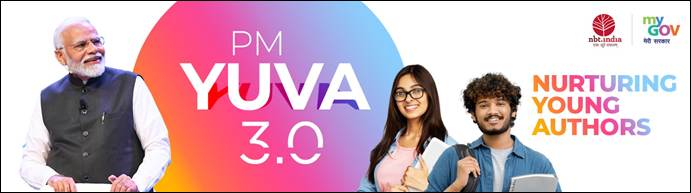
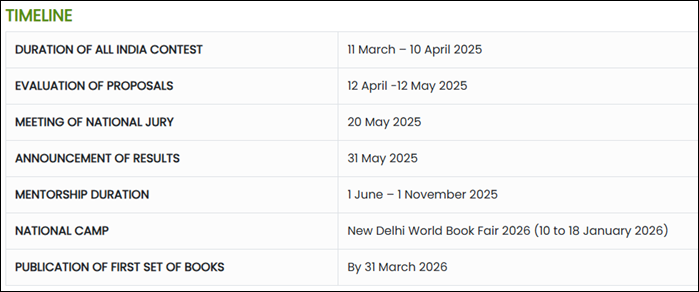
The Ministry of Education (MoE) and the National Book Trust (NBT) of India launched the third edition of the Prime Minister’s Young Authors Mentorship Scheme, known as YUVA 3.0, on March 11, 2025. The initiative aims to nurture young writers under 30 years of age, providing them with mentorship and exposure to hone their creative writing skills. YUVA 3.0 builds upon the success of its predecessors, YUVA 1.0 and YUVA 2.0, continuing the government's commitment to fostering literary talent and promoting reading, writing, and book culture in India. The scheme aligns with the vision of Ek Bharat, Shreshtha Bharat, encouraging the documentation and dissemination of India’s rich cultural heritage and knowledge.

YUVA 3.0: Features and Objectives

Theme and Focus

The Themes of PM-YUVA 3.0 are: Contribution of Indian Diaspora in Nation Building; Indian Knowledge System; and Makers of Modern India (1950-2025). The scheme will help to develop a stream of writers who can write on various facets of India encompassing the past, present and future. Besides, the scheme will also provide a window to the aspiring youth to articulate themselves and present a comprehensive outlook of contribution of Indians across fields in ancient and present times.


Selection Process

  • The scheme invites applications from aspiring writers through MyGov India’s online portal.
  • A competitive process shortlists 50 young authors based on a well-defined evaluation criterion.
  • The National Book Trust (NBT) will constitute the selection committee.
  • Applicants are required to submit a book proposal of 10,000 words, which is then reviewed by a panel.
  • The shortlisted candidates undergo a multi-stage selection process before the final selection.


Mentorship and Support

  • Selected authors receive a mentorship program spanning six months.
  • The authors undergo workshops, interactions with mentors, and exposure to India’s literary ecosystem.
  • They receive financial assistance of ₹50,000 per month for six months.
  • Their works are published and promoted by the NBT in multiple languages.
  • Under the mentorship, a National Camp will be held for the PM-YUVA 3.0 Authors during the New Delhi World Book Fair 2026.
  • Selected authors get the opportunity to present their work at literary festivals and international forums.


Background of the YUVA Scheme

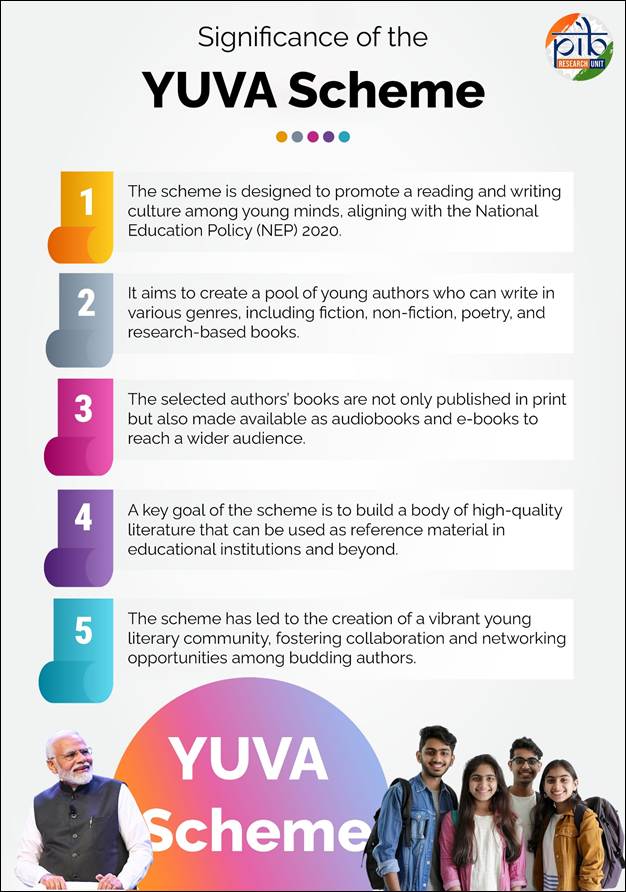
National Education Policy 2020 has emphasized on the empowerment of the young minds and creating a learning eco-system that can make the young readers/learners ready for leadership roles in the future world. India is considered to be a ‘young country’ because 66% of its total population are young and can be tapped for capacity and nation building. In this context, a national scheme for mentoring generations of young authors has proven to be a significant stepping stone for laying the foundation of the future leaders of the creative world. This scheme has been conceptualised on the premise that the 21st century India needs to groom a generation of young authors to create ambassadors of Indian literature and world view. In view of the fact that our country is ranked third in the arena of book publishing and we have a treasure trove of indigenous literature, India must project it at the global stage. The first mentorship scheme was launched on 31st May 2021, then subsequently in October 2022 and now in March 2025.


YUVA 2.0: Expansion and Achievements

Launched in October 2022, YUVA 2.0 built upon the foundation of YUVA 1.0 with a renewed focus on ‘Democracy’ as the core theme. The scheme aimed to foster young writers’ engagement with India’s democratic values, traditions, and governance structures.

Theme and Vision

The Theme of PM-YUVA 2.0 was Democracy (Institutions, Events, People, and Constitutional Values). The scheme helped in developing a stream of writers who can write on various facets of Democracy in India encompassing the past, present and future. Besides, the scheme also provided a window to the aspiring youth to articulate themselves and present a comprehensive outlook of Indian democratic values at domestic as well as international platforms.


Selection and Implementation

  • The competition received an overwhelming response, with a diverse pool of participants from across the country.
  • 75 authors were selected through a competitive process. They were also required to submit a book proposal of 10,000 words.
  • The mentorship program included interaction with constitutional experts, historians, and renowned authors.
  • Special training sessions were held to enhance research skills, language proficiency, and storytelling techniques.


Outcomes and Impact

  • The Union Minister for Education launched 41 new books under the PM YUVA 2.0 scheme at the New Delhi World Book Fair 2025 in February.
  • Several books were published in multiple Indian languages, making them accessible to a broad readership.
  • Young authors gained national and international recognition, participating in events like the World Book Fair and literary forums.
  • Many participants had their books included in academic and government libraries for research and reference.
  • Some authors had the opportunity to meet and interact with policymakers and scholars, further enriching their perspectives.


YUVA 1.0: Inception and Legacy

The inaugural edition, YUVA 1.0, was launched in May 2021 as part of the Azadi Ka Amrit Mahotsav celebrations to commemorate 75 years of India’s independence. The scheme aimed to empower young authors and provide them a platform to express their perspectives on India’s history and contemporary narratives.


Theme and Inspiration

The theme was National Movement of India with focus on Unsung Heroes; Little known facts about the Freedom Struggle; Role of various places in National Movement; Entries bringing out new perspectives related to political, cultural, economic, or science related aspects of national movement etc. as part of Azadi ka Amrit Mahotsav. This scheme helped to develop a stream of writers who can write on a spectrum of subjects to promote Indian heritage, culture and knowledge system.


Selection and Implementation

  • The contestants were asked to submit a manuscript of 5000 words.
  • 75 young authors were selected, representing diverse linguistic and regional backgrounds.
  • The selection was made by a committee constituted by National Book Trust (NBT).
  • Mentorship included training in writing, editing, and publishing processes.
  • Special sessions were conducted by eminent historians, journalists, and literary figures.
  • A consolidated scholarship of Rs.50,000 per month for a period of six months per author will be paid under the Mentorship Scheme.

Outcomes and Impact

  • The results were announced on 25.12.2021.
  • The books produced under YUVA 1.0 were translated into multiple Indian languages, enhancing their reach.
  • The initiative contributed to India’s literary heritage, encouraging young voices to document historical narratives.
  • Several young authors gained recognition, contributing to mainstream literature and academic discussions.
  • The scheme established a strong foundation for young writers, many of whom went on to publish additional books independently.
  • 10% royalty is being paid by NBT on publication and sale of the books.


Conclusion

The YUVA scheme, in its three editions, has played a crucial role in nurturing young literary talent in India. As the program continues to evolve, it reinforces India’s commitment to promoting creative expression, multilingual literary heritage, and a culture of reading and writing among the youth. The impact of the scheme is evident in the success stories of young authors whose voices have been amplified at both national and international levels. With continued support and innovation, the YUVA scheme will remain a cornerstone of India’s literary and cultural renaissance.

References

https://pib.gov.in/PressReleasePage.aspx?PRID=2110966

https://innovateindia.mygov.in/yuva-2025/

https://innovateindia.mygov.in/yuva/

https://pib.gov.in/PressReleasePage.aspx?PRID=1722644

https://pib.gov.in/PressReleaseIframePage.aspx?PRID=2101008

https://pib.gov.in/PressReleasePage.aspx?PRID=1811451

https://www.nbtindia.gov.in/writereaddata/attachmentNews/tuesday-june-1-202111-31-05-amyuva-scheme-for-mentorship-of-young-authors.pdf