Total Pageviews

Monday, October 12, 2026

42. कचरा प्रबंधन- National Resource Recovery Value — NRRV, Waste-Free” नहीं — Resource-Efficient India, Waste को Raw Material का दर्जा, India's Secondary Raw Material Industry, Swachh Bharat नहीं — Sampann Bharat

42. कचरा प्रबंधन नहीं — भारत की अगली “Resource Revolution”

Waste-to-Wealth India 2047: कचरे से संसाधन, संसाधन से उद्योग और उद्योग से विकास

एक बड़ा policy question

भारत हर वर्ष लाखों टन material को produce → consume → discard कर रहा है।

सवाल यह नहीं है कि—

“कचरा कौन उठाएगा?”

भारत @ 2047 के लिए असली सवाल है:

“जो material आज waste बनकर हमारी जमीन, नदियों और शहरों पर दबाव डाल रहा है, क्या वही material कल भारत की manufacturing economy का secondary raw material बन सकता है?”

यहीं से Waste Management, Waste-to-Wealth और Circular Economy की कहानी शुरू होती है।


🇮🇳 Vision 2047: “Waste-Free” नहीं — “Resource-Efficient India”

भारत को 2047 तक केवल Garbage-Free Cities बनाने का लक्ष्य नहीं रखना चाहिए।

हमारा ambition इससे बड़ा होना चाहिए:

“No Waste Left Behind as an Unmanaged Resource.”

अर्थात—

हर material की पहचान हो।
हर waste stream का owner हो।
हर valuable material का recovery pathway हो।
हर processor digitally traceable हो।
और केवल unavoidable residual waste ही final disposal तक पहुंचे।

यह sanitation policy से आगे बढ़कर:

National Resource Security Policy

बन सकती है।


1. भारत की असली समस्या: Waste नहीं, “Lost Value”

एक tonne mixed municipal waste को केवल “एक tonne कचरा” मानना policy failure है।

उसमें हो सकते हैं:

Organic matter + Plastic + Paper + Metals + Glass + Textiles + E-waste + Other recoverable materials

लेकिन source पर segregation न होने पर ये सब एक-दूसरे को contaminate कर देते हैं।

फिर:

High-value material → Low-value mixed waste

और अंततः:

Resource → Landfill

यही भारत की छिपी हुई economic loss है।

इसलिए नीति का नया प्रश्न होना चाहिए:

हम कितने tonnes waste को process करते हैं?

से आगे बढ़कर:

हम कितने रुपये के resources को economy में वापस लाते हैं?


2. प्रस्तावित नीति बदलाव: “Tonnes of Waste” से “₹ Value of Resources”

सरकार को national waste statistics में एक नया indicator जोड़ना चाहिए:

National Resource Recovery Value — NRRV

हर वर्ष मापा जाए:

Waste Generated

minus

Unrecoverable Residual

= Recoverable Resource

और फिर:

Recoverable Resource × Market/Industrial Value

=

India's Annual Resource Recovery Potential

इससे पहली बार Waste Management को economic accounting से जोड़ा जा सकेगा।


3. सबसे बड़ा सुधार: Waste को “Raw Material” का दर्जा

यह शायद इस पूरे policy reform का सबसे महत्वपूर्ण विचार हो सकता है।

आज recycling को अक्सर waste-management activity समझा जाता है।

हमें इसे बदलना चाहिए:

Recycled Material = Secondary Raw Material

जब कोई material:

  • specified quality standard पूरा करता है,
  • contamination threshold में है,
  • certified processor से आया है,

तो उसे industry के लिए secondary raw material के रूप में मान्यता मिलनी चाहिए।

इससे क्या बदलेगा?

Recycler केवल “waste processor” नहीं रहेगा।

वह:

India's Secondary Raw Material Industry

का हिस्सा बनेगा।


4. “India Material Recovery Mission 2047”

एक dedicated national mission प्रस्तावित किया जा सकता है:

IMRM 2047 — India Material Recovery Mission

इसके पांच strategic pillars:

① MATERIAL IDENTIFICATION

भारत में प्रमुख material flows की mapping।

② SOURCE SEGREGATION

Material को contamination से बचाना।

③ RESOURCE RECOVERY

Advanced sorting और recycling।

④ SECONDARY RAW MATERIAL MARKETS

Recovered materials के लिए assured demand।

⑤ CIRCULAR MANUFACTURING

Recovered material को फिर Indian industry में वापस लाना।


5. केवल “Swachh Bharat” नहीं — “Sampann Bharat”

यहाँ इस chapter का strategic narrative बदलता है।

Swachh Bharat

कचरा सड़क पर नहीं।

लेकिन:

Sampann Bharat

कचरा economy से बाहर नहीं।


6. एक नई राष्ट्रीय व्यवस्था: “Material Passport”

हर बड़े industrial product के लिए:

Digital Material Passport

का framework विकसित किया जा सकता है।

Product में कौन-सा:

  • steel
  • aluminium
  • copper
  • plastic
  • battery material
  • electronic component

है, इसकी digital जानकारी उपलब्ध हो।

Product की life समाप्त होने पर:

Material Passport → Recovery → Recycling → Secondary Raw Material

हो सके।

परिणाम:

भारत केवल products नहीं बनाएगा।

भारत materials को economy में circulate करेगा।


7. “Landfill Tax” से आगे — “Resource Recovery Incentive”

केवल landfill पर penalty लगाना पर्याप्त नहीं है।

हमें positive economics बनानी होगी।

सरकार का नया principle:

The more you recover, the more you earn.

उदाहरण:

यदि कोई ULB:

  • landfill diversion बढ़ाता है,
  • recycling बढ़ाता है,
  • organic recovery बढ़ाता है,

तो उसे:

Performance-linked Circular Economy Grant

मिल सकती है।

इससे municipalities को “waste collection” नहीं बल्कि resource recovery के लिए incentive मिलेगा।


8. Municipalities को “Waste Utility” बनाना

नगर निगम को केवल:

Road + Drainage + Garbage Collection

agency की तरह देखने के बजाय:

Urban Resource Management Utility

के रूप में विकसित किया जा सकता है।

उसकी revenue streams:

User charges

EPR payments

Recyclable material

Compost

Biogas/Bio-CNG

Carbon finance

Circular procurement

PPP

हो सकती हैं।

इससे एक बड़ा बदलाव आएगा:

Waste budget → Waste business model


9. India Waste Exchange: “Waste का Stock Exchange”

यह chapter का एक high-impact idea हो सकता है।

INDIA WASTE EXCHANGE

एक national digital marketplace जहाँ verified:

  • plastic
  • paper
  • metals
  • textile
  • e-waste
  • C&D materials
  • organic resources

की:

Quantity + Quality + Location + Price + Certification

available हो।

उदाहरण:

Delhi का certified recycled plastic processor
↓
Gujarat का manufacturer

Mumbai का recovered metal
↓
Tamil Nadu का engineering manufacturer

Construction waste
↓
Nearby infrastructure project

परिणाम:

Waste logistics → Resource logistics


10. “Waste Miles” कम करना

Circular economy का अर्थ केवल recycling नहीं है।

अगर waste को हजारों kilometres transport करके recycle किया जाए, तो economics कमजोर हो सकती है।

इसलिए प्रत्येक district के लिए:

District Circularity Map

बनाई जाए।

इसमें दिखे:

Waste generation

Processing capacity

Industrial demand

Transport distance

Resource value

फिर सरकार identify कर सकती है:

कहाँ कौन-सा Circular Economy Cluster बनना चाहिए।


11. भारत का नया औद्योगिक अवसर: “Circular Manufacturing”

यह सबसे महत्वपूर्ण economic link है।

मान लीजिए India के पास:

Recycled Aluminium

उपलब्ध है।

यदि उसे केवल export कर दिया गया, तो value creation सीमित रह सकती है।

लेकिन:

Recycled Aluminium → Components → Machinery → Finished Products → Export

तो भारत को कई stages पर value addition मिलता है।

इसलिए नीति:

“Recycle in India”

से आगे बढ़कर:

“Recycle + Manufacture in India”

होनी चाहिए।


12. FDI को केवल Waste Plants तक सीमित न रखें

भारत को global investors को यह संदेश देना चाहिए:

India is not only a market for waste-treatment technology; India can become the world's large-scale circular manufacturing hub.

FDI opportunities:

  • advanced recycling
  • battery materials
  • critical minerals recovery
  • electronic components recovery
  • recycled polymers
  • recycled metals
  • waste robotics
  • AI sorting
  • circular packaging
  • remanufacturing
  • industrial symbiosis

यही Waste Policy को Industrial Policy से जोड़ता है।


13. Critical Minerals: Waste Policy का Geopolitical Dimension

यह वह dimension है जो सामान्य waste-management articles में अक्सर गायब रहता है।

भारत energy transition, EVs, electronics, renewable energy और defence manufacturing बढ़ा रहा है।

इन sectors में:

Lithium

Cobalt

Nickel

Copper

Rare/critical materials

का महत्व बढ़ रहा है।

भविष्य में end-of-life batteries और electronics केवल waste नहीं होंगे।

वे:

“Urban Mines”

होंगे।

इसलिए:

E-waste + Battery Recycling = India's Resource Security Policy

होनी चाहिए।

यह केवल environmental issue नहीं है।

यह:

Energy Security + Manufacturing Security + Strategic Autonomy

का मुद्दा है।


14. “Circularity by Design” — Product बनने से पहले Waste रोकें

सबसे महंगा waste वह है जिसे बनने के बाद manage करना पड़े।

इसलिए design stage पर ही:

  • repairability
  • recyclability
  • modularity
  • durability
  • material identification
  • disassembly

को बढ़ावा देना चाहिए।

प्रस्ताव:

सरकार priority sectors में:

Circular Product Design Standards

विकसित करे।


15. Government को सबसे बड़ा ग्राहक बनाइए

Government procurement को circular economy का engine बनाया जा सकता है।

यदि public procurement में धीरे-धीरे:

Minimum Recycled Content

standards आएं—

तो recycled-material industry को guaranteed market मिलेगा।

उदाहरण:

Roads

Railways

Buildings

Urban infrastructure

Furniture

Packaging

Office products

में appropriate recycled material standards विकसित किए जा सकते हैं।

Principle:

Government regulation creates supply; Government procurement creates demand.


16. GDP Impact: असली calculation बदलनी होगी

Waste sector का impact केवल:

“Waste industry का turnover”

नहीं होना चाहिए।

Impact assessment में शामिल हों:

Resource substitution

Imported virgin raw material कितना कम हुआ?

Manufacturing

Recycled material से कितना additional manufacturing हुआ?

Energy

Waste-derived energy से कितना fossil fuel substitution हुआ?

Employment

कितने नए green jobs बने?

Productivity

Urban pollution और congestion reduction से productivity कितनी बढ़ी?

Fiscal

Municipal waste-management cost कितनी कम हुई?

यही होगा:

Waste-to-Wealth Economic Impact Account


17. 2047 तक लक्ष्य: “Waste Management” से “Material Management”

यह केवल terminology change नहीं है।

आज:

Waste Management Department

भविष्य:

Urban Material Management System

जहाँ शहर को पता हो:

हमारे शहर में कितने tonnes materials प्रवेश करते हैं, कितने products बनते हैं, कितना material consume होता है और कितना वापस economy में आता है।

यह approach India को resource-efficient economy की दिशा में ले जा सकती है।


18. Vision 2047 के लिए 12 National Policy Reforms

01 — National Waste-to-Wealth Mission 2047

Waste को economic resource बनाने का national framework।

02 — National Resource Recovery Value

हर वर्ष recoverable material की economic value मापना।

03 — Secondary Raw Material Act/Framework

Quality-certified recycled material को formal industrial raw-material market से जोड़ना।

04 — India Waste Exchange

Verified national digital marketplace।

05 — City Material Balance Sheet

हर बड़े शहर का annual material-flow account।

06 — District Circular Economy Clusters

Waste generation और industrial demand को geographically connect करना।

07 — Green Worker Mission

Informal waste workers का formalisation और upskilling।

08 — Circular Procurement Code

Government procurement में appropriate recycled-content requirements।

09 — Circular Product Design

Repairability, recyclability और material recovery को product design में शामिल करना।

10 — Urban Mining Mission

E-waste, batteries और critical materials recovery।

11 — Circular Manufacturing Investment Policy

FDI और domestic investment को recycling से manufacturing तक ले जाना।

12 — India Circularity Index

राज्यों, शहरों और industries की annual circularity ranking।


19. 2047 का नया KPI

भारत की सफलता केवल इस बात से नहीं मापी जानी चाहिए:

कितना कचरा collect हुआ?

बल्कि:

कितना material वापस economy में आया?

एक national KPI:

Material Circularity Rate

और दूसरा:

Economic Value Recovered per Tonne

विकसित किया जाना चाहिए।


20. 2030–2047: चार चरण

2026–2030

CLEAN & SEGREGATE

Collection + source segregation + digital tracking + dumpsite remediation

2030–2035

RECOVER & RECYCLE

MRFs + organic processing + recycling markets + EPR strengthening

2035–2040

CIRCULAR MANUFACTURE

Secondary raw materials + circular industrial clusters + urban mining

2040–2047

RESOURCE-EFFICIENT INDIA

Waste becomes an integrated part of India's:

Manufacturing + Energy + Materials + Employment + Investment strategy


21. सरकार के लिए असली Policy Ask


From

Waste Collection

To

Resource Recovery


From

Municipal Expense

To

Circular Economy Asset


From

Waste Disposal

To

Secondary Raw Material


From

Informal Waste Picker

To

Green Resource Professional


From

Recycling Industry

To

Circular Manufacturing Industry


From

Clean Cities

To

Competitive, Resource-Secure Cities


22. यह सिर्फ Environment Policy क्यों नहीं है?

क्योंकि इसका संबंध सीधे भारत की पाँच strategic priorities से है:

🇮🇳 1. Manufacturing Competitiveness

सस्ता और reliable secondary raw material।

🇮🇳 2. Resource Security

आयातित raw materials पर निर्भरता कम करना।

🇮🇳 3. Employment

Green और circular jobs।

🇮🇳 4. FDI

Global circular-economy investment आकर्षित करना।

🇮🇳 5. Developed India 2047

कम resource intensity में अधिक economic value creation।


अंतिम विचार

भारत Vision 2047 में केवल यह लक्ष्य नहीं होना चाहिए कि:

“हमारा देश साफ हो।”

यह लक्ष्य उससे कहीं बड़ा होना चाहिए:

“भारत का कोई भी उपयोगी संसाधन बेकार न जाए।”

Waste-to-Wealth India 2047

From Swachh Bharat → Resource-Efficient Bharat → Circular Bharat → Developed Bharat


41. सीवरेज सुधार - Sewage System, Solid Waste Management, and Urban Infrastructure- 20 Lakh Carors FDI Investment opportunity- नमामि गंगे के तहत सीवेज निस्तारण संयंत्र परियोजना 2026 All over India underground sewerage system. Unique 16 digital identification to underground sewer line. संभावित राजस्व अवसर: ₹1 लाख करोड़ से अधिक वार्षिक राजस्व क्षमता, FDI अवसर - संभावित FDI अवसर: ₹15–20 लाख करोड़, रोजगार सृजन - संभावित रोजगार: 1.5–2 करोड़ अतिरिक्त GDP योगदान: लगभग 0.8–1.2% प्रति वर्ष

भारत विज़न 2047 – 100 राष्ट्रीय नीति सुधार (Policy Reforms)

Global Water Infrastructure Investment Destination

41. राष्ट्रीय सीवरेज, अपशिष्ट जल प्रबंधन एवं शहरी स्वच्छता मिशन 2047

(National Sewerage, Wastewater Management & Urban Sanitation Mission 2047)


भूमिका

भारत तीव्र गति से शहरीकरण की ओर बढ़ रहा है। 2047 तक देश की लगभग 50% आबादी शहरों में रहने का अनुमान है। ऐसे में आधुनिक, वैज्ञानिक एवं डिजिटल सीवरेज प्रणाली आर्थिक विकास, सार्वजनिक स्वास्थ्य, निवेश आकर्षण तथा स्मार्ट शहरों की आधारशिला बनेगी।

यह दस्तावेज़ रचनात्मक नीति सुझाव प्रस्तुत करता है जिनका उद्देश्य भारत में सीवरेज, वर्षा जल निकासी तथा अपशिष्ट जल प्रबंधन को विश्वस्तरीय बनाना है।


1. वर्तमान स्थिति

भारत में अनेक शहरों में अभी भी निम्न समस्याएँ देखने को मिलती हैं—

  • खुली नालियाँ एवं अपर्याप्त सीवरेज नेटवर्क
  • वर्षा जल निकासी एवं सीवर का मिश्रित प्रवाह
  • जलभराव की समस्या
  • सीमित Sewage Treatment Plants (STPs)
  • शोधन के बिना नदियों में सीवेज का प्रवाह
  • मैनुअल निरीक्षण पर निर्भरता
  • भूमिगत नेटवर्क का सटीक डिजिटल रिकॉर्ड उपलब्ध नहीं
  • नगर निकायों की सीमित वित्तीय क्षमता

भारत सरकार ने स्वच्छ भारत मिशन, AMRUT 2.0, जल जीवन मिशन तथा स्मार्ट सिटी मिशन के माध्यम से महत्वपूर्ण सुधार प्रारम्भ किए हैं, जिन्हें अगले चरण में डिजिटल एवं AI आधारित ढाँचे तक ले जाने की आवश्यकता है।


2. प्रमुख चुनौतियाँ

  • पुरानी एवं क्षतिग्रस्त सीवर लाइनें
  • तेजी से बढ़ता शहरीकरण
  • अवैध निर्माण एवं अतिक्रमण
  • जलभराव
  • जलजनित रोग
  • रखरखाव की उच्च लागत
  • डेटा आधारित योजना का अभाव
  • विभिन्न एजेंसियों के बीच समन्वय की कमी

3. अंतरराष्ट्रीय सर्वोत्तम उदाहरण (Benchmarking)

  • सिंगापुर – NEWater एवं स्मार्ट वॉटर मैनेजमेंट
  • जापान – भूमिगत विशाल वर्षा जल सुरंग प्रणाली
  • नीदरलैंड – स्मार्ट शहरी जल निकासी
  • दक्षिण कोरिया – डिजिटल सीवर मॉनिटरिंग
  • जर्मनी – GIS आधारित भूमिगत यूटिलिटी मैपिंग

4. भारत के लिए नीति सुधार

राष्ट्रीय डिजिटल सीवरेज मिशन

प्रमुख सुझाव

  • सम्पूर्ण भारत में चरणबद्ध भूमिगत सीवरेज नेटवर्क
  • खुली नालियों का वैज्ञानिक रूप से पाइप आधारित नेटवर्क में रूपांतरण (जहाँ तकनीकी एवं भौगोलिक रूप से उपयुक्त हो)
  • प्रत्येक मुख्य सीवर लाइन को यूनिक डिजिटल पहचान (Digital Asset ID) प्रदान करना
  • GIS आधारित राष्ट्रीय Underground Utility Map
  • AI आधारित ब्लॉकेज पूर्वानुमान प्रणाली
  • IoT सेंसर आधारित फ्लो मॉनिटरिंग
  • स्मार्ट मैनहोल
  • रोबोटिक सीवर सफाई
  • Wastewater Recycling
  • Sewer से बायोगैस एवं ऊर्जा उत्पादन
  • वर्षा जल एवं सीवेज के लिए पृथक नेटवर्क
  • डिजिटल नागरिक शिकायत प्रणाली

5. कार्यान्वयन योजना

चरण 1 (2026–2030)

  • राष्ट्रीय GIS सर्वे
  • डिजिटल मैपिंग
  • सभी महानगरों में स्मार्ट सीवर परियोजना
  • 100% डिजिटल एसेट रजिस्टर

चरण 2 (2030–2035)

  • सभी स्मार्ट शहर
  • AI आधारित मॉनिटरिंग
  • रोबोटिक निरीक्षण
  • वर्षा जल निकासी सुधार

चरण 3 (2035–2040)

  • सभी जिला मुख्यालय
  • पुनर्चक्रित जल का औद्योगिक उपयोग
  • ऊर्जा उत्पादन परियोजनियाँ

चरण 4 (2040–2047)

  • सम्पूर्ण भारत
  • Zero Untreated Sewage लक्ष्य
  • राष्ट्रीय स्मार्ट सीवरेज नेटवर्क

6. अनुमानित लागत

मद अनुमानित लागत
भूमिगत सीवर नेटवर्क ₹12–15 लाख करोड़
STP विस्तार ₹3–4 लाख करोड़
AI एवं GIS ₹1 लाख करोड़
रोबोटिक सफाई ₹50,000 करोड़
वर्षा जल निकासी ₹3–4 लाख करोड़
कुल ₹20–25 लाख करोड़ (2026–2047)

7. GDP पर संभावित प्रभाव

यदि व्यापक स्तर पर सीवरेज, अपशिष्ट जल प्रबंधन और शहरी स्वच्छता में सुधार किया जाता है, तो विभिन्न अंतरराष्ट्रीय अध्ययनों के आधार पर निम्न आर्थिक लाभ संभावित हैं:

  • अतिरिक्त GDP योगदान: लगभग 0.8–1.2% प्रति वर्ष (दीर्घकाल में)
  • स्वास्थ्य व्यय में कमी
  • शहरी उत्पादकता में वृद्धि
  • पर्यटन एवं निवेश में सुधार
  • रियल एस्टेट मूल्य में वृद्धि
  • लॉजिस्टिक्स दक्षता में सुधार

8. रोजगार सृजन

संभावित प्रत्यक्ष एवं अप्रत्यक्ष रोजगार

  • निर्माण
  • पाइप निर्माण
  • इंजीनियरिंग
  • GIS विशेषज्ञ
  • AI विशेषज्ञ
  • IoT तकनीशियन
  • STP संचालन
  • रोबोटिक्स
  • Waste to Energy

संभावित रोजगार: 1.5–2 करोड़ (2026–2047)


9. FDI अवसर

संभावित निवेश क्षेत्र

  • स्मार्ट पाइपिंग
  • Water Technology
  • AI
  • IoT
  • Robotics
  • GIS
  • STP
  • Waste-to-Energy
निवेश के प्रमुख क्षेत्र
Smart Pipe Manufacturing
AI Software
Robotics
Sensors
GIS Technology
Smart Manholes
Wastewater Recycling Plants
Desalination Technology
Industrial Water Parks
Sewer-to-Hydrogen
Waste-to-Energy
Green Infrastructure Funds

संभावित FDI अवसर: ₹15–20 लाख करोड़ (दीर्घकालीन अनुमान)


10. Ease of Doing Business पर प्रभाव

  • बेहतर शहरी अवसंरचना
  • उद्योगों के लिए विश्वसनीय जल प्रबंधन
  • निवेशकों का विश्वास बढ़ना
  • तेज शहरी विकास
  • लॉजिस्टिक्स दक्षता में सुधार
  • रियल एस्टेट विकास को गति

11. सामाजिक प्रभाव

  • मच्छरों एवं जलजनित रोगों में कमी
  • स्वच्छ शहर
  • बेहतर जीवन गुणवत्ता
  • जल संरक्षण
  • स्वच्छ नदियाँ
  • प्रदूषण में कमी
  • सुरक्षित कार्य परिस्थितियाँ (मैनुअल सीवर सफाई में कमी)

12. संभावित राजस्व अवसर

यदि डिजिटल एसेट प्रबंधन, पुनर्चक्रित जल, उपयोगकर्ता शुल्क, अपशिष्ट से ऊर्जा, कार्बन क्रेडिट एवं भूमि मूल्य वृद्धि जैसे मॉडल अपनाए जाएँ, तो नगर निकायों एवं सरकारों के लिए ₹1 लाख करोड़ से अधिक वार्षिक राजस्व क्षमता विकसित की जा सकती है। यह अनुमान स्थानीय नीतियों, परियोजनाओं एवं निवेश मॉडल पर निर्भर करेगा।


13. लक्ष्य

2030

  • 100 स्मार्ट शहर
  • 100% GIS मैपिंग
  • AI मॉनिटरिंग प्रारम्भ

2035

  • सभी नगर निगम
  • 70% अपशिष्ट जल पुनर्चक्रण

2040

  • सभी जिला मुख्यालय
  • रोबोटिक निरीक्षण

2047

  • 100% वैज्ञानिक सीवरेज
  • Zero Untreated Sewage
  • विश्वस्तरीय शहरी स्वच्छता प्रणाली

14. सफलता मापने के संकेतक (KPIs)

  • भूमिगत सीवर कवरेज (%)
  • उपचारित अपशिष्ट जल (%)
  • पुनर्चक्रित जल उपयोग (%)
  • जलभराव घटनाओं में कमी
  • जलजनित रोगों में कमी
  • AI आधारित निरीक्षण अनुपात
  • नागरिक शिकायत समाधान समय
  • नगर निकाय राजस्व वृद्धि
  • स्मार्ट मैनहोल कवरेज
  • ऊर्जा उत्पादन (Waste-to-Energy)

राष्ट्रीय नीति सुधार (Game Changing Reforms)
1. National Digital Sewer Grid
भारत की प्रत्येक सीवर लाइन, मैनहोल, पंपिंग स्टेशन और STP को Unique Digital Infrastructure Identity (UDI) प्रदान की जाए।
GIS + AI + Digital Twin आधारित राष्ट्रीय प्लेटफ़ॉर्म

2. Sewer Infrastructure Regulatory Authority of India (SIRAI)
बिजली और दूरसंचार क्षेत्र की तरह सीवरेज क्षेत्र के लिए एक स्वतंत्र नियामक संस्था, जो मानकीकरण, गुणवत्ता, निवेश और प्रदर्शन की निगरानी करे।

3. National Wastewater Exchange
शोधित जल के लिए राष्ट्रीय डिजिटल मार्केटप्लेस, जहाँ उद्योग, नगर निकाय और कृषि क्षेत्र उपचारित जल की खरीद-बिक्री कर सकें।

4. One Nation – One Sewer Standard
पूरे देश के लिए एक समान डिजाइन, गुणवत्ता, सुरक्षा और डिजिटल डेटा मानक

5. PPP 2.0 Model
नई पीढ़ी का Public-Private Partnership मॉडल, जिसमें निजी निवेशकों को 30–40 वर्ष के दीर्घकालिक संचालन अधिकार, प्रदर्शन-आधारित भुगतान और स्पष्ट नियामकीय ढाँचा।

6. नगर निकायों के लिए नई आय
उपचारित जल की बिक्री
Sewer Usage Charges
Carbon Credits
Green Bonds
Sludge to Fertilizer
Biogas एवं बिजली बिक्री
Data-as-an-Infrastructure Services
संभावित वार्षिक अतिरिक्त राजस्व क्षमता: ₹1–1.5 लाख करोड़

अंतिम परिशिष्ट

2047 तक चरणबद्ध कार्ययोजना

  • 2026–2030: सर्वेक्षण, GIS मैपिंग, महानगरों में विस्तार
  • 2030–2035: स्मार्ट शहर एवं AI निगरानी
  • 2035–2040: जिला स्तर तक विस्तार
  • 2040–2047: राष्ट्रीय कवरेज एवं पूर्ण डिजिटलीकरण

मंत्रालयवार जिम्मेदारियाँ

  • आवासन एवं शहरी कार्य मंत्रालय
  • जल शक्ति मंत्रालय
  • पर्यावरण, वन एवं जलवायु परिवर्तन मंत्रालय
  • सड़क परिवहन एवं राजमार्ग मंत्रालय
  • वित्त मंत्रालय
  • नीति आयोग
  • राज्य शहरी विकास विभाग

राज्य सरकारों की भूमिका

  • परियोजना क्रियान्वयन
  • भूमि उपलब्ध कराना
  • स्थानीय वित्तपोषण
  • संचालन एवं रखरखाव

निजी क्षेत्र एवं स्टार्टअप

  • AI समाधान
  • IoT सेंसर
  • GIS प्लेटफ़ॉर्म
  • रोबोटिक निरीक्षण
  • स्मार्ट पाइपिंग
  • Waste-to-Energy

नागरिक सहभागिता मॉडल

  • मोबाइल ऐप आधारित शिकायत प्रणाली
  • स्थानीय निगरानी समितियाँ
  • स्वच्छता जागरूकता अभियान
  • वर्षा जल संरक्षण में भागीदारी

वित्तपोषण रणनीति

  • केंद्र एवं राज्य बजट
  • नगर निगम बॉन्ड
  • PPP मॉडल
  • बहुपक्षीय विकास संस्थान
  • ग्रीन बॉन्ड
  • निजी निवेश

जोखिम एवं शमन

जोखिम समाधान
भूमि अधिग्रहण पूर्व नियोजन एवं संवाद
वित्तीय कमी PPP एवं नगर बॉन्ड
तकनीकी चुनौतियाँ वैश्विक विशेषज्ञता
रखरखाव AI आधारित पूर्वानुमानित रखरखाव
परियोजना विलंब डिजिटल प्रोजेक्ट मॉनिटरिंग

इन्फोग्राफिक्स 

  1. भारत राष्ट्रीय स्मार्ट सीवरेज इकोसिस्टम 2047
  2. Vision 2030 → 2047 रोडमैप
  3. AI आधारित Sewer Monitoring Architecture
  4. Underground Utility Digital ID Framework
  5. Wastewater Recycling Cycle
  6. Sewer to Energy Model
  7. GDP, रोजगार एवं FDI प्रभाव
  8. Ease of Doing Business एवं सार्वजनिक स्वास्थ्य प्रभाव
  9. नगर निकाय राजस्व मॉडल
  10. मंत्रालयवार कार्यान्वयन ढाँचा

Title

भारत विज़न 2047: राष्ट्रीय सीवरेज सुधार नीति | स्मार्ट सीवरेज, अपशिष्ट जल प्रबंधन एवं शहरी स्वच्छता मिशन

Description

भारत विज़न 2047 के अंतर्गत राष्ट्रीय सीवरेज सुधार, भूमिगत सीवरेज नेटवर्क, स्मार्ट सिटी, AI आधारित निगरानी, अपशिष्ट जल पुनर्चक्रण, GDP, रोजगार, FDI, Ease of Doing Business तथा चरणबद्ध कार्यान्वयन योजना पर विस्तृत नीति विश्लेषण।


FAQ

प्र. 1: क्या पूरे भारत में भूमिगत सीवरेज प्रणाली संभव है?
भौगोलिक, जनसंख्या घनत्व और लागत के आधार पर विभिन्न क्षेत्रों के लिए अलग-अलग तकनीकी मॉडल अपनाए जा सकते हैं; एक समान समाधान सभी स्थानों पर उपयुक्त नहीं होगा।

प्र. 2: क्या इससे स्वास्थ्य लाभ होंगे?
हाँ, बेहतर सीवरेज और अपशिष्ट जल प्रबंधन से जलजनित रोगों एवं मच्छरजनित बीमारियों में उल्लेखनीय कमी लाई जा सकती है।

प्र. 3: डिजिटल सीवर पहचान (Digital Asset ID) क्या है?
यह प्रत्येक सीवर लाइन, मैनहोल और संबंधित परिसंपत्ति का एक विशिष्ट डिजिटल रिकॉर्ड होगा, जिससे रखरखाव, निरीक्षण और योजना अधिक प्रभावी होगी।

प्र. 4: क्या अपशिष्ट जल से ऊर्जा बनाई जा सकती है?
हाँ, उपयुक्त तकनीकों के माध्यम से बायोगैस, बिजली और अन्य ऊर्जा उत्पाद प्राप्त किए जा सकते हैं।

प्र. 5: इस नीति का सबसे बड़ा लाभ क्या होगा?
स्वच्छ एवं स्वस्थ शहर, बेहतर निवेश वातावरण, अधिक आर्थिक उत्पादकता, आधुनिक शहरी अवसंरचना और दीर्घकालिक सतत विकास।


संदर्भ (विश्वसनीय स्रोत)

  • भारत सरकार – आवासन एवं शहरी कार्य मंत्रालय (MoHUA)
  • जल शक्ति मंत्रालय
  • स्वच्छ भारत मिशन (शहरी)
  • AMRUT 2.0
  • नीति आयोग
  • विश्व बैंक (World Bank)
  • अंतर्राष्ट्रीय मुद्रा कोष (IMF)
  • आर्थिक सहयोग एवं विकास संगठन (OECD)
  • संयुक्त राष्ट्र (UN-Habitat, UN Water)

 Keywords

  • भारत विज़न 2047
  • भारत विज़न 2047 राष्ट्रीय नीति सुधार
  • राष्ट्रीय स्मार्ट सीवरेज मिशन
  • सीवरेज सुधार भारत
  • भारत सीवरेज नीति
  • Smart Sewerage India
  • National Sewerage Mission India
  • Wastewater Management India
  • Urban Sanitation India
  • Sewage Treatment India
  • Sewage Infrastructure India
  • Underground Sewerage System India
  • AI Based Sewer Monitoring
  • Digital Sewer Network
  • Smart City Sewer System
  • Sewer to Energy India
  • Wastewater Recycling India
  • Circular Water Economy
  • Blue Economy India
  • Urban Infrastructure India
  • Sustainable Cities India
  • Water Security India
  • जल पुनर्चक्रण
  • स्मार्ट शहर
  • अपशिष्ट जल प्रबंधन
  • भूमिगत सीवरेज प्रणाली
  • AI आधारित सीवर निगरानी
  • डिजिटल सीवर नेटवर्क
  • स्वच्छ भारत 2047
  • विकसित भारत 2047

  • भारत में सीवरेज सुधार नीति
  • राष्ट्रीय स्मार्ट सीवरेज इकोसिस्टम 2047
  • भारत में आधुनिक सीवरेज प्रणाली
  • AI आधारित स्मार्ट सीवरेज सिस्टम
  • भारत में अपशिष्ट जल पुनर्चक्रण
  • भारत का डिजिटल सीवर नेटवर्क
  • भारत में Sewer to Energy मॉडल
  • नगर निकाय राजस्व बढ़ाने के उपाय
  • स्मार्ट सिटी सीवरेज समाधान
  • भारत में शहरी जल प्रबंधन
  • Wastewater Recycling Policy India
  • Digital Utility ID India
  • Underground Utility Mapping India
  • National Wastewater Exchange India
  • Smart Urban Infrastructure India
  • Future of Sewer Infrastructure India
  • PPP Model in Sewerage Sector
  • FDI Opportunities in Water Infrastructure India
  • Urban Water Security India
  • Circular Economy Water Management India

  • Infrastructure Investment India
  • Smart Infrastructure India
  • Urban Infrastructure Investment
  • FDI in India Infrastructure
  • Water Infrastructure Investment
  • Sewer Infrastructure Projects
  • Smart City Investment India
  • Municipal Infrastructure
  • PPP Infrastructure India
  • ESG Infrastructure India
  • Green Infrastructure India
  • Climate Resilient Infrastructure
  • Water Technology India
  • Environmental Infrastructure India
  • Sustainable Infrastructure India

  • Ministry of Housing and Urban Affairs
  • AMRUT 2.0
  • Swachh Bharat Mission 2.0
  • Jal Jeevan Mission
  • Smart Cities Mission
  • NITI Aayog
  • Urban Development Policy India
  • Water Policy India
  • Municipal Governance India
  • Ease of Doing Business India
  • Make in India
  • Digital India
  • Atmanirbhar Bharat
  • Viksit Bharat 2047
  • PM Gati Shakti
  • National Infrastructure Pipeline

  • AI in Water Management
  • IoT Sewer Monitoring
  • GIS Utility Mapping
  • Digital Twin Infrastructure
  • Predictive Maintenance AI
  • Smart Manhole Technology
  • Robotics in Sewer Cleaning
  • Industrial Wastewater Treatment
  • Water Recycling Technology
  • Sewer Asset Management
  • SCADA Water Management
  • Smart Utility Management
  • Green Technology India
  • Waste to Energy India
  • Carbon Neutral Infrastructure

  • GDP Growth India
  • Employment Generation India
  • Municipal Revenue Model
  • Public Health Infrastructure
  • Water Circular Economy
  • Urban Economic Growth
  • Industrial Water Reuse
  • Climate Smart Cities
  • Sustainable Urban Development
  • FDI Opportunities India 2047

#BharatVision2047 #ViksitBharat2047 #NationalPolicyReforms #SmartSewerage #WastewaterManagement #UrbanInfrastructure #SmartCities #DigitalIndia #SwachhBharat #WaterSecurity #CircularEconomy #BlueEconomy #AI #IoT #WasteToEnergy #FDIIndia #EaseOfDoingBusiness #InfrastructureDevelopment #SustainableDevelopment #MakeInIndia #UrbanTransformation #

India2047
-------------------------------------------------


Sewage System, Solid Waste Management, and Urban Infrastructure

  • Investments:
    • AMRUT 2.0 and Swachh Bharat Mission 2.0: $15 billion for waste and sanitation management.
    • Focus on energy generation from waste.
  • Projections:
    • Contribution to GDP: ~0.8%.


Revenue Generation Scope for Municipal Corporation/State Government/Central Government / Ministry Approximate 100000+ cr. in Years

  • 20 Lakh Carors FDI Investment opportunity, 
  • Unique 16 digital identification to underground sewer line.
  •  2026 All over India underground sewerage system.


Solution:

नालिया ओपन है नालियो को पाइप डाल अंडरग्राउंड कर बीच बीच मे चैम्बर पूरे शहर में बना शहर को स्वच्छ व स्मार्ट सिटी में बनने में योगदान करे। मच्छर व बीमारियो मुक्त बनाए, नालियो पर बना अतिक्रमण अलग करे। नालियो को पाइप डाल अंडरग्राउंड कर रोड के चौड़ी कारण में योगदान दे जिससे यातायात सुधार हो।
89 inch dia Underground sewer pipe line


Benefits: By underground Sewer Line (नालियो को पाइप डाल अंडरग्राउंड)


1. स्वच्छ व स्मार्ट सिटी में बनने में योगदान

2. मच्छर व बीमारियो मुक्त

3. यातायात सुधार

4. रोड के चौड़ी कारण में योगदान

5. Revenue Generation Scope for Municipal Corporation/State Government/Central Government / Ministry Approximate 100000+ cr. in Years

6. Public will get developed and improve system & environment

7. Corruption will reduce

8. Right people get appreciation

9. Traceability of real diamond

10. Govt. have better control over this segment.


ये मिलेनियम सिटी गुरुग्राम गुड़गांव है। गटर व्यवस्था , रेन वाटर storing व्यवस्था एकदम खराब है। up में है दम हरयाणा नही किसी से कम corruption में सबसे आगे। 

स्किल ओर सोच आइडियाज की सर्वाधिक कमी हरयाणा में।


Grievance/Issue : All over India same situation Gurgaon Haryana, Jabalpur Madhya Pradesh सिटी में नालिया ओपन है नालियो को कवर कर बीच बीच मे चैम्बर पूरे शहर में बना शहर को स्वच्छ व स्मार्ट सिटी में बनने में योगदान करे।


40. जल प्रबंधन, हर बूंद का हिसाब — हर शहर जल-सुरक्षित — हर खेत जल-कुशल — हर नदी जीवंत,


🇮🇳 भारत विज़न 2047 – 100 राष्ट्रीय नीति सुधार

नीति सुधार #40: जल प्रबंधन

“हर बूंद का हिसाब — हर शहर जल-सुरक्षित — हर खेत जल-कुशल — हर नदी जीवंत”

प्रस्तावित मिशन: National Water Security & Productivity Mission – NWSPM 2047

भारत की आर्थिक वृद्धि, खाद्य सुरक्षा, औद्योगिक विकास, शहरीकरण और सार्वजनिक स्वास्थ्य—इन सभी का आधार जल है। इसलिए जल प्रबंधन को केवल पेयजल या सिंचाई का विषय न मानकर राष्ट्रीय आर्थिक अवसंरचना के रूप में देखना होगा।

विश्व बैंक के अनुसार भारत की लगभग आधी आर्थिक value added और लगभग 70% workforce ऐसे क्षेत्रों से जुड़ी है जो पानी पर निर्भर हैं।

इसलिए जल सुरक्षा में निवेश केवल पर्यावरणीय निवेश नहीं है—यह GDP, रोजगार, कृषि उत्पादकता, औद्योगिक प्रतिस्पर्धा और निवेश आकर्षण में निवेश है।


1. वर्तमान स्थिति

भारत ने पिछले वर्षों में जल क्षेत्र में कई महत्वपूर्ण कार्यक्रम शुरू किए हैं:

  • जल जीवन मिशन – हर घर जल
  • Jal Jeevan Mission 2.0
  • AMRUT 2.0
  • Atal Bhujal Yojana
  • प्रधानमंत्री कृषि सिंचाई योजना – PMKSY
  • Per Drop More Crop
  • Namami Gange Mission 2.0
  • Jal Shakti Abhiyan
  • Atal Mission for Rejuvenation and Urban Transformation
  • Amrit Sarovar
  • National Aquifer Mapping Programme

जल जीवन मिशन के अंतर्गत अक्टूबर 2025 तक 15.72 करोड़ से अधिक ग्रामीण घरों तक नल से जल पहुंचने की सूचना सरकार ने दी थी।

मार्च 2026 में JJM 2.0 के तहत देश के सभी 19.36 करोड़ ग्रामीण परिवारों तक tap-water connection और सभी ग्राम पंचायतों को “Har Ghar Jal” घोषित करने का लक्ष्य दिसंबर 2028 रखा गया है। इसमें केवल पाइप बिछाना नहीं बल्कि सतत जल स्रोत, service delivery और citizen-centric water management पर भी जोर है।

भूजल की स्थिति

भारत में सिंचाई के लिए भूजल पर अत्यधिक निर्भरता है। CGWB के अनुसार 2023 के आकलन में 6,553 groundwater assessment units में:

  • 736 — Over-exploited
  • 199 — Critical
  • 698 — Semi-critical
  • 127 — Saline

थे।

इससे स्पष्ट है कि सिर्फ नए जल स्रोत बनाना पर्याप्त नहीं है; demand management और aquifer management अनिवार्य है।


2. प्रमुख चुनौतियाँ

2.1 भूजल का अत्यधिक दोहन

कई कृषि और शहरी क्षेत्रों में groundwater extraction recharge से अधिक हो रहा है।

2.2 कृषि में कम Water Productivity

कई क्षेत्रों में flood irrigation के कारण पानी की बड़ी मात्रा फसल उत्पादन के लिए कम दक्षता से उपयोग होती है।

2.3 शहरी Non-Revenue Water

पुरानी पाइपलाइन, leakage, illegal connections और inaccurate metering के कारण उपचारित पानी का एक हिस्सा उपभोक्ता तक पहुंचने से पहले ही खो जाता है।

AMRUT 2.0 ने ULBs के लिए non-revenue water को 20% से नीचे लाने और leakage detection तथा metering को reform priority बनाया है।

2.4 Wastewater को waste समझना

भारत में treated wastewater को बड़े पैमाने पर industrial, construction, landscaping और agriculture में reuse करने की क्षमता है।

AMRUT 2.0 में राज्य स्तर पर urban water demand के कम-से-कम 20% और industrial water demand के 40% तक treated water reuse को reform milestone के रूप में रखा गया है।

2.5 बाढ़ और सूखा—दोनों का बढ़ता जोखिम

Climate change rainfall को अधिक अनिश्चित बना रहा है। UN के अनुसार climate change water scarcity के साथ-साथ floods और droughts जैसे water-related hazards को भी बढ़ा रहा है।

2.6 नदी प्रदूषण

सीवेज, industrial effluent, solid waste और untreated wastewater नदी ecosystems को प्रभावित करते हैं।


3. अंतरराष्ट्रीय सर्वोत्तम उदाहरण — Benchmarking

🇸🇬 Singapore

  • Integrated water management
  • Rainwater harvesting
  • Wastewater recycling
  • Advanced treatment
  • Demand management
  • Technology-driven monitoring

🇮🇱 Israel

  • Drip irrigation
  • Precision agriculture
  • Desalination
  • Wastewater reuse
  • Water productivity

🇳🇱 Netherlands

  • Flood management
  • River-basin planning
  • Nature-based solutions
  • Water infrastructure resilience

🇦🇺 Australia

  • Water accounting
  • Basin-level planning
  • Drought management
  • Water markets

OECD Model

OECD के Water Governance Principles में effective, efficient और inclusive water governance के लिए 12 प्रमुख principles दिए गए हैं।

भारत के लिए सीख

Water Department-centric model → Water Security + Economic Productivity + Basin Governance model


4. भारत के लिए प्रस्तावित नीति सुधार

National Water Security & Productivity Mission – NWSPM 2047

इस मिशन के पांच मुख्य pillars होंगे:

Pillar 1 — हर बूंद का Digital Accounting

भारत में प्रत्येक बड़े जल स्रोत के लिए:

Source → Treatment → Transmission → Distribution → Consumption → Wastewater → Reuse

का digital water balance तैयार किया जाए।

प्रस्ताव:

National Water Digital Grid

जिसमें शामिल हों:

  • Reservoir data
  • River flow
  • Groundwater
  • Rainfall
  • Aquifer maps
  • Urban consumption
  • Industrial consumption
  • Agricultural water use
  • Wastewater
  • Recycled water
  • Flood/drought alerts

5. National Water Accounting System

हर राज्य और जिले के लिए annual:

Water Budget

तैयार किया जाए:

Annual Water Availability – Ecological Requirement – Domestic Use – Agriculture – Industry – Other Uses = Water Balance

इसे सार्वजनिक dashboard पर उपलब्ध कराया जाए।


6. Groundwater Mission 2.0

प्रस्ताव:

हर critical/over-exploited block में:

  • Mandatory groundwater metering for large users
  • Aquifer-level water budgeting
  • Artificial recharge
  • Recharge wells
  • Farm ponds
  • Check dams
  • Rooftop rainwater harvesting
  • Managed aquifer recharge
  • Crop diversification
  • Solar pump + smart water controller

CGWB के अनुसार groundwater management के लिए extraction और recharge दोनों का वैज्ञानिक आकलन आवश्यक है।


7. “Per Drop More GDP” कार्यक्रम

Per Drop More Crop को केवल किसान की आय से जोड़ने के बजाय:

Per Drop More Value

के रूप में पुनर्गठित किया जाए।

प्राथमिकता:

  • Drip irrigation
  • Sprinkler
  • Micro irrigation
  • Precision irrigation
  • Soil moisture sensors
  • AI-based irrigation advisory
  • Weather-based irrigation
  • Crop-water budgeting

PMKSY के Per Drop More Crop guidelines में micro-irrigation का उद्देश्य water-use efficiency बढ़ाना, crop productivity और farmer income सुधारना है।


8. Water-Intensive Crops का वैज्ञानिक पुनर्गठन

Water-stressed क्षेत्रों में:

  • Sugarcane
  • Paddy
  • कुछ अन्य high-water-demand crops

के लिए Water Footprint आधारित incentive system विकसित किया जाए।

किसान को केवल “कम पानी उपयोग करो” न कहा जाए।

इसके बजाय:

कम पानी + अधिक उत्पादन + अधिक आय = अधिक incentive


9. Urban Water Security Mission

प्रत्येक शहर में:

24×7 Metered Water Supply + NRW Control + Wastewater Reuse

का लक्ष्य रखा जाए।

शहरों में:

  • Smart meters
  • District Metered Areas
  • Leak detection
  • Pressure management
  • SCADA
  • IoT sensors
  • AI leak prediction
  • Smart billing
  • Rainwater harvesting

को integrated system बनाया जाए।


10. “Wastewater is New Water” Policy

हर बड़े शहर में treated wastewater को अलग economic resource माना जाए।

Priority reuse:

  1. Industry
  2. Construction
  3. Power plants
  4. Landscaping
  5. Agriculture
  6. Groundwater recharge — जहां वैज्ञानिक रूप से उपयुक्त हो

AMRUT 2.0 का treated-water recycling framework इसी circular-water economy की दिशा में महत्वपूर्ण आधार प्रदान करता है।


11. Industrial Water Security

हर water-intensive industry के लिए:

Water Audit + Water Efficiency Plan

अनिवार्य किया जाए।

प्रमुख sectors:

  • Steel
  • Mining
  • Cement
  • Chemicals
  • Textiles
  • Food processing
  • Power
  • Semiconductor
  • Data centres
  • Pharmaceuticals

लक्ष्य:

Freshwater intake ↓
Water recycling ↑
Water productivity ↑


12. Data Centres के लिए Water-Smart Policy

भारत में data centres तेजी से बढ़ रहे हैं।

इसलिए नए large data centres के लिए:

  • Water-efficient cooling
  • Closed-loop cooling
  • Recycled water
  • Rainwater harvesting
  • Zero/low liquid discharge जहां संभव हो
  • Water-use disclosure

को environmental approval framework में शामिल किया जाए।

इससे digital economy का विस्तार water-secure growth के साथ हो सकेगा।


13. River Basin Governance

भारत में water management को administrative boundaries से आगे ले जाकर:

River Basin Management Authorities

को मजबूत किया जाए।

प्रत्येक major basin के लिए:

  • Water budget
  • Environmental flow
  • Groundwater
  • Agriculture
  • Industry
  • Urban demand
  • Pollution load
  • Flood management
  • Drought management

का integrated plan हो।

Namami Gange में sewerage infrastructure, river-front development, biodiversity और pollution abatement को एकीकृत किया गया है। NMCG के अनुसार 2026 तक 200 sewerage infrastructure projects sanction किए गए थे, जिनमें 116 operational हो चुके थे।


14. “Clean River = Economic Asset”

नदियों को केवल धार्मिक या environmental asset नहीं बल्कि:

  • Tourism
  • Fisheries
  • Inland waterways
  • Agriculture
  • Urban development
  • Public health
  • Blue economy

का economic asset बनाया जाए।


15. जल मूल्य निर्धारण में सुधार

भारत में water pricing का उद्देश्य गरीब परिवारों पर बोझ डालना नहीं होना चाहिए।

Proposed model:

Lifeline Water — Free/Subsidised

लेकिन:

Excessive / Commercial / Industrial Use — Cost Reflective Pricing

साथ में:

  • Poor households के लिए targeted subsidy
  • Metering
  • Progressive tariff
  • Industrial water pricing
  • Groundwater abstraction fee in stressed zones

IMF ने भी water management में उचित pricing और incentives की आवश्यकता पर लंबे समय से जोर दिया है।


16. Water Credit Market

प्रस्तावित:

Indian Water Credit – IWC

कंपनियां निम्नलिखित गतिविधियों के माध्यम से verified water credits प्राप्त कर सकें:

  • Water saving
  • Wastewater reuse
  • Aquifer recharge
  • Rainwater harvesting
  • River restoration
  • Industrial water recycling

इससे water conservation को financial asset बनाया जा सकता है।


17. अनुमानित लागत

यह राशि नीति प्रस्ताव का indicative estimate है, सरकारी स्वीकृत बजट नहीं।

2026–2047 प्रस्तावित निवेश:

क्षेत्र अनुमानित निवेश
Urban water infrastructure ₹3–4 लाख करोड़
Rural drinking water & source sustainability ₹1.5–2.0 लाख करोड़
Irrigation & micro-irrigation ₹2–3 लाख करोड़
Groundwater recharge ₹1–1.5 लाख करोड़
Wastewater treatment/reuse ₹2–3 लाख करोड़
River restoration ₹1–1.5 लाख करोड़
Digital water infrastructure ₹0.5–0.8 लाख करोड़
Flood/drought resilience ₹1–1.5 लाख करोड़
कुल indicative investment लगभग ₹12–17 लाख करोड़

यह निवेश केंद्र, राज्य, ULB, PPP, development finance institutions और private capital के मिश्रण से किया जा सकता है।


18. GDP पर संभावित प्रभाव

जल क्षेत्र का GDP में कोई एक सरल “water-sector GDP share” बताना उचित नहीं है, क्योंकि पानी कृषि, उद्योग, ऊर्जा, mining, services और households में input के रूप में शामिल है।

विश्व बैंक के अनुसार water-dependent sectors भारत की लगभग आधी economic value added से जुड़े हैं।

प्रस्तावित impact mechanism:

Water security से:

Agricultural productivity ↑
Industrial downtime ↓
Urban productivity ↑
Health burden ↓
Climate losses ↓
Investment certainty ↑

Vision 2047 indicative ambition

यदि water productivity और resilience में बड़े सुधार सफल होते हैं, तो नीति का लक्ष्य:

2047 तक संभावित GDP स्तर को baseline scenario की तुलना में लगभग 1–2 percentage points तक बेहतर बनाने में योगदान देना

हो सकता है।

यह सरकारी forecast नहीं, बल्कि इस policy proposal के लिए scenario-based ambition है। वास्तविक GDP impact का आकलन independent econometric evaluation से किया जाना चाहिए।


19. रोजगार सृजन

जल प्रबंधन एक बड़ा employment generator बन सकता है।

प्रत्यक्ष रोजगार

  • Engineers
  • Hydrologists
  • Environmental specialists
  • Water technicians
  • Plumbers
  • STP operators
  • Irrigation technicians
  • GIS specialists
  • Data analysts
  • IoT technicians

अप्रत्यक्ष रोजगार

  • Micro-irrigation manufacturing
  • Pumps
  • Pipes
  • Sensors
  • Water treatment
  • Construction
  • Recycling
  • Consulting
  • Water-tech startups

World Bank की 2026 report बताती है कि smarter water use और agricultural water management वैश्विक स्तर पर बड़े रोजगार अवसर पैदा कर सकते हैं।


20. FDI अवसर

भारत में Water Infrastructure एक बड़ा long-term investment sector बन सकता है।

संभावित FDI sectors:

1. Water treatment

2. Desalination

3. Wastewater recycling

4. Smart meters

5. IoT water sensors

6. Leak detection technology

7. Irrigation technology

8. Water analytics

9. Industrial water management

10. River restoration technology

11. Flood management

12. Water-tech startups

प्रस्ताव:

Water Infrastructure Investment Platform – WIIP

के माध्यम से PPP projects को standardized किया जाए।


21. Ease of Doing Business पर प्रभाव

विश्वसनीय water supply उद्योगों के लिए critical infrastructure है।

सुधार:

Single Water Clearance Portal

पर:

  • Water connection
  • Groundwater permission
  • Effluent discharge
  • Recycled water
  • Environmental compliance
  • Water audit
  • Digital monitoring

को integrate किया जाए।

लक्ष्य:

एक उद्योग = एक digital water compliance interface

इससे regulatory uncertainty और project delays कम हो सकते हैं।


22. सामाजिक प्रभाव

महिलाओं पर प्रभाव

जल की उपलब्धता बढ़ने से महिलाओं और लड़कियों पर household water collection का समय घट सकता है।

स्वास्थ्य

Safe drinking water और बेहतर sanitation:

  • Water-borne diseases ↓
  • Healthcare expenditure ↓
  • Productivity ↑

ग्रामीण भारत

  • सिंचाई reliability ↑
  • Crop productivity ↑
  • Farmer income ↑
  • Migration pressure ↓

शहर

  • Water availability ↑
  • tanker dependency ↓
  • groundwater stress ↓
  • liveability ↑

UN World Water Development Report 2026 ने water governance में inclusion, gender-responsive policies और improved data की आवश्यकता पर जोर दिया है।


23. Vision 2030, 2035, 2040 और 2047 Targets

Indicator 2030 2035 2040 2047
Rural household tap-water service 100% 100% 100% 100%
Urban metered water connections 80% 95% 100% 100%
Urban NRW <25% <20% <15% <10%
Large cities with water balance 100% 100% 100% 100%
Water-stressed blocks with aquifer plans 100% 100% — —
Treated wastewater reuse 30% 50% 70% 90%*
Industrial water recycling 50% 70% 85% 95%*
Major rivers with basin plans 100% 100% 100% 100%
Large industries with water audits 100% 100% 100% 100%
Major cities with flood-water plans 100% 100% 100% 100%

* 2047 targets technology, economics और environmental safeguards के आधार पर sector-wise निर्धारित किए जाएं।


24. सफलता मापने के संकेतक — KPIs

National Water Security Dashboard

मुख्य KPIs:

  1. Per capita water availability
  2. Groundwater extraction/recharge ratio
  3. Number of over-exploited blocks
  4. Urban NRW %
  5. Average hours of water supply
  6. % metered connections
  7. Treated wastewater reuse %
  8. Industrial freshwater consumption per unit output
  9. Agricultural water productivity
  10. Micro-irrigation coverage
  11. Reservoir storage efficiency
  12. River water quality
  13. Environmental flow compliance
  14. Flood damage avoided
  15. Drought affected area
  16. Water-related disease incidence
  17. Water infrastructure uptime
  18. Water tariff collection efficiency
  19. Private investment mobilised
  20. FDI in water technology/infrastructure

25. प्रभाव आकलन — Impact Assessment Framework

हर ₹100 करोड़ के water project के लिए केवल expenditure नहीं बल्कि outcome measure किया जाए।

Impact Score:

Water Saved + People Served + Groundwater Recharge + Pollution Reduced + Economic Value Created + Jobs Created

के आधार पर project score बनाया जाए।

प्रत्येक project में:

Baseline → Intervention → Output → Outcome → Economic Impact

मापा जाए।

उदाहरण:

₹100 करोड़ STP project

के लिए KPI केवल “STP constructed” नहीं होगा।

बल्कि:

  • कितने MLD actually treated?
  • कितने MLD reused?
  • कितनी freshwater demand बची?
  • कितने pollution load में कमी आई?
  • कितना revenue generated?
  • कितना O&M cost?
  • कितने वर्षों में investment recovery?

मापा जाएगा।


26. 2047 तक चरणबद्ध कार्ययोजना

Phase I — 2026–2030

Measure & Secure

  • National Water Digital Grid
  • District water budgets
  • Groundwater mapping
  • Universal rural drinking-water service
  • Urban metering
  • NRW reduction
  • Water-quality monitoring
  • Critical groundwater blocks action plans

Phase II — 2030–2035

Reuse & Productivity

  • Large-scale wastewater reuse
  • Micro-irrigation expansion
  • Industrial water recycling
  • Water-efficient crops
  • Smart irrigation
  • Water Credit pilot
  • Basin-level water allocation

Phase III — 2035–2040

Water Circular Economy

  • Major cities become water-recycling hubs
  • Industrial freshwater dependency significantly reduced
  • AI-based water demand forecasting
  • Smart aquifer management
  • Flood/drought predictive systems

Phase IV — 2040–2047

Water-Secure India

लक्ष्य:

“No major city water-stressed because of preventable leakage or poor management.”

“No critical groundwater block without a recovery plan.”

“No major industry without a water-efficiency strategy.”

“No treated urban wastewater treated as waste.”


27. मंत्रालयवार जिम्मेदारियाँ

संस्था/मंत्रालय प्रमुख जिम्मेदारी
Ministry of Jal Shakti National water policy & basin governance
Department of Water Resources Rivers, reservoirs, groundwater
Jal Jeevan Mission Rural drinking water
CGWB Groundwater monitoring
MoHUA Urban water & wastewater
Agriculture Ministry Water-efficient agriculture
Rural Development Ministry Watershed & rural assets
Environment Ministry Ecosystem & pollution
Power Ministry Water-energy nexus
Industries/Commerce Industrial water efficiency
Finance Ministry Water financing & incentives
NITI Aayog National monitoring & policy evaluation
States/UTs Ground implementation
ULBs/Panchayats Local water services

28. राज्य सरकारों की भूमिका

हर राज्य को:

State Water Security Plan – 2047

तैयार करना चाहिए।

इसमें:

  • State water budget
  • Basin-wise allocation
  • Groundwater strategy
  • Urban water plan
  • Agriculture water plan
  • Industrial water plan
  • Flood/drought plan
  • Wastewater reuse plan

हो।

Performance-linked funding को KPIs से जोड़ा जाए।


29. निजी क्षेत्र और Startups की भूमिका

Water-tech Startup Mission

भारत में Water-Tech Innovation Fund बनाया जाए।

Startup solutions:

  • AI water forecasting
  • Smart meters
  • Leak detection
  • Groundwater sensors
  • Satellite-based irrigation
  • Water-quality sensors
  • Wastewater treatment
  • Desalination
  • Water recycling
  • Digital water accounting
  • Flood prediction

PPP मॉडल

Private sector को:

Build + Finance + Operate + Maintain

मॉडल में भागीदारी दी जाए।


30. नागरिक सहभागिता मॉडल

“My Water – My Responsibility”

हर नागरिक के लिए:

  • Household water meter
  • Monthly water report
  • Leakage reporting app
  • Rainwater harvesting
  • Greywater reuse
  • Water-saving incentives

ग्राम स्तर:

Jal Sabha

शहर स्तर:

Ward Water Committee

जिला स्तर:

District Water Council

नागरिकों को water governance का stakeholder बनाया जाए।


31. वित्तपोषण रणनीति

जल क्षेत्र के लिए केवल सरकारी बजट पर निर्भरता कम करनी होगी।

Funding mix:

Government Budget + State Funds + Municipal Bonds + PPP + Infrastructure Funds + Multilateral Finance + Green/Blue Bonds + CSR + Private Equity

विश्व बैंक water security को jobs, investment और economic development से जोड़ता है तथा water infrastructure में policy reforms और private capital mobilisation की आवश्यकता पर जोर देता है।

प्रस्ताव:

National Water Infrastructure Fund

लंबी अवधि के projects के लिए concessional finance उपलब्ध कराया जाए।


32. जोखिम एवं शमन योजना

जोखिम समाधान
Groundwater depletion Aquifer budgeting
Climate change Resilient infrastructure
Flood Sponge-city + wetlands
Drought Storage + recharge
Water pollution Real-time monitoring
Project delays PMU + milestone payments
Poor O&M Performance-based contracts
High tariffs Targeted subsidy
Data fragmentation National Water Digital Grid
State-centre coordination Basin councils
Technology failure Open standards
Public resistance Citizen consultation

33. भारत के लिए नया Water Governance Model

वर्तमान मॉडल:

Supply → Distribution → Consumption → Waste

प्रस्तावित मॉडल:

Rain → Storage → Recharge → Efficient Use → Treatment → Reuse → Recharge

अर्थात:

Linear Water Economy → Circular Water Economy


34. Vision 2047 का आर्थिक मॉडल

भारत को पानी को केवल खर्च नहीं बल्कि:

Productivity Asset

मानना चाहिए।

एक water-secure India में:

Reliable Water
↓
Higher Farm Productivity
↓
Higher Industrial Productivity
↓
Lower Health Cost
↓
More Investment
↓
More Jobs
↓
Higher GDP
↓
Higher Quality of Life


35. प्रमुख सरकारी कार्यक्रमों का एकीकरण

2030 तक अलग-अलग schemes को एक common framework में लाने का प्रयास होना चाहिए:

**Jal Jeevan Mission

  • AMRUT 2.0
  • PMKSY
  • Atal Jal
  • Namami Gange
  • Jal Shakti Abhiyan
  • Amrit Sarovar
  • Aquifer Mapping**

→ National Water Security Mission

इससे duplication कम होगा और outcome-based spending बढ़ेगी।


36. प्रस्तावित National Water Security Index

प्रत्येक राज्य को 0–100 score दिया जाए।

Score components:

  • 20 — Drinking water
  • 15 — Groundwater
  • 15 — Agriculture efficiency
  • 15 — Wastewater reuse
  • 10 — River health
  • 10 — Urban water efficiency
  • 5 — Flood resilience
  • 5 — Data governance
  • 5 — Citizen participation

हर साल:

India Water Security Ranking

प्रकाशित की जाए।


37. 2047 का अंतिम लक्ष्य

🇮🇳 WATER-SECURE INDIA 2047

भारत का लक्ष्य:

हर घर सुरक्षित जल
हर खेत जल-कुशल
हर शहर leakage-controlled
हर उद्योग water-efficient
हर नदी प्रदूषण-मुक्त दिशा में
हर aquifer monitored
हर बूंद digitally accounted
हर wastewater का productive reuse


38. इन्फोग्राफिक के लिए प्रमुख संदेश

💧 INDIA WATER 2047

19.36 करोड़ ग्रामीण परिवारों तक Har Ghar Jal लक्ष्य — दिसंबर 2028

736 groundwater assessment units — Over-exploited (2023 assessment)

Water-dependent sectors — लगभग 50% economic value added से जुड़े

लक्ष्य 2047:

💧 100% water security
🌾 Water-efficient agriculture
🏙️ Smart urban water
♻️ Circular wastewater economy
🌊 Healthy rivers
📡 Digital water monitoring
💼 Water-tech jobs
💰 Global water investment hub


39. FAQ

Q1. भारत के लिए जल प्रबंधन इतना महत्वपूर्ण क्यों है?

क्योंकि कृषि, उद्योग, ऊर्जा, शहर और सार्वजनिक स्वास्थ्य सभी water security पर निर्भर हैं। विश्व बैंक के अनुसार water-dependent sectors भारत की लगभग आधी economic value added से जुड़े हैं।

Q2. क्या केवल नए reservoirs बनाकर जल समस्या हल हो सकती है?

नहीं। समाधान में conservation, groundwater recharge, efficient irrigation, leakage reduction, wastewater reuse और demand management सभी आवश्यक हैं।

Q3. Groundwater सबसे बड़ी चुनौती क्यों है?

क्योंकि कई क्षेत्रों में extraction recharge की तुलना में अधिक है। CGWB के 2023 assessment में 736 units over-exploited थे।

Q4. क्या wastewater को दोबारा इस्तेमाल किया जा सकता है?

हाँ। उचित treatment और quality standards के बाद treated wastewater को industry, construction, landscaping और कुछ agricultural applications में reuse किया जा सकता है।

Q5. क्या water management GDP बढ़ा सकता है?

हाँ, मुख्य रूप से productivity, health, agriculture, industrial reliability और climate resilience के माध्यम से। लेकिन किसी एक निश्चित GDP प्रतिशत को बिना modelling के दावा नहीं करना चाहिए।

Q6. क्या जल क्षेत्र में FDI की संभावना है?

हाँ। Water treatment, recycling, smart metering, irrigation technology, desalination, sensors, wastewater और water analytics में बड़े long-term investment opportunities बन सकते हैं।

Q7. क्या जल प्रबंधन रोजगार पैदा कर सकता है?

हाँ। Infrastructure construction के साथ water-tech, irrigation, treatment, monitoring, engineering, maintenance और digital services में रोजगार पैदा होंगे।

Q8. क्या जल प्रबंधन climate change से जुड़ा है?

बिल्कुल। UN के अनुसार climate change water scarcity तथा floods और droughts दोनों के जोखिम को बढ़ा रहा है।

Q9. भारत को water pricing करनी चाहिए?

Water pricing का उद्देश्य conservation और efficient use होना चाहिए, लेकिन गरीब परिवारों के लिए lifeline water को affordable/subsidised रखा जाना चाहिए।

Q10. Vision 2047 में सबसे महत्वपूर्ण बदलाव क्या होना चाहिए?

भारत को:

“Water Supply Management” से “Water Security + Water Productivity + Circular Water Economy”

की ओर बढ़ना चाहिए।


40. निष्कर्ष

जल है तो विकास है।

भारत यदि 2047 तक विकसित और resilient economy बनना चाहता है, तो जल प्रबंधन को infrastructure priority के समान महत्व देना होगा।

अब लक्ष्य केवल:

“हर घर नल”

नहीं होना चाहिए।

अगला लक्ष्य होना चाहिए:

“हर बूंद का हिसाब, हर बूंद का बेहतर उपयोग और हर जल स्रोत की दीर्घकालिक सुरक्षा।”

भारत की अगली जल क्रांति पाइपलाइन बिछाने से नहीं, बल्कि data + technology + conservation + recycling + productivity + citizen participation के संयोजन से होगी।

भारत विज़न 2047 का जल मंत्र:

💧 Save Water → Use Efficiently → Reuse → Recharge → Create Value


स्रोत एवं संदर्भ

  1. भारत सरकार — Jal Jeevan Mission / JJM 2.0 — ग्रामीण tap-water coverage और 2028 लक्ष्य।
  2. Central Ground Water Board (CGWB) — Dynamic Ground Water Resources और groundwater categorisation।
  3. Ministry of Housing & Urban Affairs — AMRUT 2.0 — NRW reduction तथा treated-water reuse framework।
  4. National Mission for Clean Ganga — sewerage, river restoration एवं biodiversity initiatives।
  5. PMKSY — Per Drop More Crop — micro-irrigation एवं water-use efficiency।
  6. NITI Aayog — Composite Water Management Index।
  7. World Bank — Water & India — water-dependent economic activity और employment।
  8. World Bank — Global Water Monitoring / Water Security।
  9. United Nations / UN-Water — World Water Development Report 2026।
  10. OECD — Water Governance Principles।
  11. IMF — Water and macroeconomic/climate risks।


Title:

भारत विज़न 2047: जल प्रबंधन नीति | Water Security Mission 2047

Description:
भारत में जल प्रबंधन सुधार, Jal Jeevan Mission, groundwater, wastewater reuse, irrigation, GDP, रोजगार, FDI, 2030–2047 लक्ष्य और National Water Security Mission का विस्तृत नीति रोडमैप।

Keywords:
भारत जल प्रबंधन नीति, Water Management India, Water Security India 2047, Jal Jeevan Mission 2.0, Groundwater Management India, Water Conservation India, Wastewater Recycling India, Water Reuse, PMKSY Per Drop More Crop, Namami Gange, AMRUT 2.0, Water Technology India, Water FDI India, जल संरक्षण, भूजल संरक्षण, भारत विज़न 2047, National Water Security Mission, Circular Water Economy India

303. GSI2026_Nuclear Power -24 घंटे विद्युत आपूर्ति, Growth Sector India 2026- Power Sector,Nuclear Manufacturing Corridors, high-value manufacturing mission, FDI Opportunities - ₹10–15 लाख करोड़, रोजगार सृजन -20–30 लाख direct + indirect jobs, GDP growth support ~0.5–1.5%,

 परमाणु ऊर्जा-24×7 विद्युत आपूर्ति और भारत का Growth Sector 2026–2047

Nuclear Power: भारत की 24×7 Clean Base-Load Economy की रीढ़


भारत विज़न 2047 – 100 राष्ट्रीय नीति सुधारों में सुधार संख्या 21

भारत की आर्थिक वृद्धि अब केवल सड़क, रेल, डिजिटल नेटवर्क और विनिर्माण क्षमता पर निर्भर नहीं है। अगला निर्णायक इंफ्रास्ट्रक्चर विश्वसनीय, 24×7 और कम-कार्बन बिजली है।

भारत की बिजली मांग 2030 तक औसतन लगभग 6.4% प्रति वर्ष बढ़ने का अनुमान है और 2025–2030 के बीच बिजली खपत में 570 TWh से अधिक की वृद्धि हो सकती है। इसी अवधि में cooling, उद्योग, data centres, EVs, इलेक्ट्रिफिकेशन और manufacturing बिजली की मांग को तेजी से बढ़ाएंगे।

इसीलिए भारत के लिए केवल solar और wind capacity बढ़ाना पर्याप्त नहीं होगा। Renewables + Nuclear + Hydro + Storage + Modern Grid का integrated power system आवश्यक होगा।

भारत सरकार ने इसी दिशा में Nuclear Energy Mission के माध्यम से 2047 तक 100 GW nuclear capacity का लक्ष्य निर्धारित किया है। वर्तमान 8.78 GW से यह लगभग 11 गुना विस्तार होगा।


1. वर्तमान स्थिति

भारत का Nuclear Power Landscape — 2026

फरवरी 2026 तक भारत में RAPS-1 को छोड़कर 24 nuclear power plants commercial operation में हैं, जिनकी कुल क्षमता 8,780 MW यानी 8.78 GW है।

2024–25 में nuclear power का देश की कुल electricity generation में हिस्सा लगभग 3.1% रहा।

भारत की operating nuclear fleet ने FY2024–25 में 56,681 MU electricity generation की और reported Plant Load Factor 86.61% रहा।

प्रमुख nuclear states

  • महाराष्ट्र — Tarapur
  • राजस्थान — Rawatbhata
  • तमिलनाडु — Kalpakkam, Kudankulam
  • गुजरात — Kakrapar
  • उत्तर प्रदेश — Narora
  • कर्नाटक — Kaiga

भारत ने indigenous 700 MW PHWR technology को commercial deployment की दिशा में आगे बढ़ाया है।

वर्तमान से 2047 की छलांग

वर्ष Nuclear Capacity
2026 ~8.78 GW
2031–32 ~22 GW
2040 ~50–60 GW*
2047 100 GW

*2040 का आंकड़ा सरकार का घोषित अंतिम लक्ष्य नहीं, बल्कि इस नीति-अध्याय के लिए प्रस्तावित interim planning target है।

सरकार के वर्तमान roadmap के अनुसार 2031–32 तक capacity लगभग 22 GW होने की उम्मीद है। इसके बाद NPCIL की योजना से लगभग 54 GW तक capacity पहुंचाने तथा शेष 46 GW को अन्य PSU, राज्य सरकारों, private sector और joint ventures द्वारा विकसित करने की परिकल्पना है।


2. Nuclear Energy Mission — भारत सरकार की नई दिशा

Union Budget 2025–26 में भारत सरकार ने Nuclear Energy Mission for R&D of Small Modular Reactors (SMRs) घोषित किया।

इसके लिए ₹20,000 करोड़ का allocation किया गया और 2033 तक कम-से-कम 5 indigenous SMRs operationalise करने का लक्ष्य रखा गया। साथ ही 2047 तक 100 GW nuclear power capacity का लक्ष्य घोषित किया गया।

2026 में सरकार ने Nuclear Energy Mission के implementation के लिए SHANTI Act, 2025 के माध्यम से private participation का रास्ता खोला है।

Proposed technology mix

Large Reactors

  • 700 MW indigenous PHWR
  • Advanced LWR
  • Foreign technology collaboration

SMR Ecosystem

  • 220 MWe BSMR-200
  • 55 MWe SMR-55
  • High Temperature Gas-Cooled Reactor for hydrogen applications

BARC इन technologies पर development work कर रहा है।


3. प्रमुख चुनौतियाँ

3.1 Nuclear projects का लंबा gestation period

एक nuclear project को site selection, environmental approvals, safety clearance, construction, commissioning और fuel-related processes के कारण लंबा समय लग सकता है।

3.2 High upfront capital cost

Nuclear power में initial capital expenditure बहुत अधिक होता है।

3.3 Financing risk

Project completion में देरी होने पर:

Cost escalation → Interest during construction → Higher tariff

का दबाव बन सकता है।

3.4 Technology dependence

Large reactor programme में कुछ technology, equipment और fuel-cycle components के लिए international cooperation आवश्यक हो सकता है।

3.5 Public acceptance

Nuclear safety, radiation, emergency preparedness और radioactive waste management को लेकर नागरिकों में विश्वास बढ़ाना आवश्यक है।

3.6 Supply-chain limitation

भारत को केवल reactor बनाना नहीं बल्कि:

Reactor → Turbine → Generator → Control System → Nuclear-grade steel → Pumps → Valves → Sensors → Robotics → Digital Twin → Maintenance

का complete ecosystem बनाना होगा।

3.7 Skilled manpower

2047 तक 100 GW के लिए engineers, nuclear scientists, operators, welders, inspectors, safety professionals, robotics experts और digital specialists की बड़ी workforce चाहिए।


4. अंतरराष्ट्रीय सर्वोत्तम उदाहरण — Benchmarking

🇫🇷 France — Nuclear + Grid Stability

France ने nuclear power को national electricity system के backbone के रूप में विकसित किया।

भारत के लिए सीख:

  • Standardised reactor designs
  • Long-term planning
  • Nuclear-skilled workforce
  • Grid integration

🇰🇷 South Korea — Standardisation + Export

South Korea ने standard reactor designs, domestic supply chain और project execution capabilities विकसित कीं।

भारत के लिए सीख:

“एक reactor बनाना” नहीं, बल्कि repeatable reactor manufacturing system बनाना।

🇨🇳 China — Speed + Scale

China ने reactor construction को industrial-scale programme की तरह विकसित किया है।

भारत के लिए सीख:

  • Standard designs
  • Parallel construction
  • Domestic supply chain
  • Long-term procurement

🇺🇸 USA — Advanced Nuclear + SMR

US ecosystem advanced reactors, SMRs, digital technologies और private-sector innovation पर जोर दे रहा है।

Global Trend

IEA के अनुसार 2024 में दुनिया में 7 GW से अधिक nuclear capacity नई जुड़ी और global installed nuclear capacity लगभग 420 GW तक पहुंची।


5. भारत के लिए नीति सुधार

सुधार 21.1 — National Nuclear Power Programme 2047

एक unified programme बनाया जाए:

India Nuclear Power Mission 2047

इसके पांच pillars हों:

  1. Large Reactor Programme
  2. SMR Programme
  3. Nuclear Manufacturing Mission
  4. Nuclear Fuel Security
  5. Nuclear Export Mission

6. Standardised Reactor Manufacturing

भारत को reactor-by-reactor customised construction से हटकर:

“Build Once → Standardise → Replicate 20–50 Times”

मॉडल अपनाना चाहिए।

Proposed reactor families

700 MW PHWR

↓

1,000–1,400 MW LWR

↓

220 MW SMR

↓

55 MW SMR

↓

Hydrogen Reactor

इससे engineering cost, procurement time और construction risk कम किए जा सकते हैं।


7. SMR — भारत का अगला Growth Engine

SMRs केवल electricity generation के लिए नहीं होने चाहिए।

संभावित applications

  • Steel plants
  • Aluminium plants
  • Cement
  • Refineries
  • Chemical industry
  • Data centres
  • Green hydrogen
  • Desalination
  • Remote areas
  • Retiring coal plant sites
  • Industrial captive power

भारत सरकार ने भी BSMR-200 और SMR-55 को energy-intensive industries तथा retiring fossil-fuel plants को repurpose करने जैसे applications के लिए देखा है।


8. Nuclear Industrial Corridors

भारत में Nuclear Manufacturing Corridors विकसित किए जाएं।

संभावित ecosystem

Haryana / NCR

Engineering + Digital + Automation

Gujarat

Heavy engineering + Manufacturing

Tamil Nadu

Nuclear + Electronics + Heavy engineering

Maharashtra

Heavy manufacturing + Power equipment

Rajasthan

Nuclear equipment + Energy ecosystem

Andhra Pradesh

Large reactor ecosystem


9. Nuclear Supply Chain — Make in India 2.0

भारत को निम्न components में global manufacturing hub बनना चाहिए:

  • Nuclear-grade steel
  • Steam generators
  • Turbines
  • Generators
  • Pumps
  • Valves
  • Heat exchangers
  • Control systems
  • Sensors
  • Radiation monitoring
  • Robotics
  • Nuclear digital twins
  • AI-based predictive maintenance
  • Cybersecurity
  • Nuclear simulation software

इससे Nuclear Mission केवल electricity programme नहीं रहेगा बल्कि high-value manufacturing mission बन जाएगा।


10. 24×7 Electricity Architecture

Nuclear को renewables का competitor नहीं बल्कि complement बनाया जाना चाहिए।

Proposed 2047 Energy Mix Architecture

Solar + Wind

↓
Variable renewable electricity

Battery + Pumped Hydro

↓
Short/medium duration storage

Nuclear

↓
24×7 firm low-carbon power

Hydro + Gas/Other flexible resources

↓
Peak balancing

National Smart Grid

↓

24×7 Reliable Electricity

IEA के अनुसार भारत की electricity demand 2030 तक औसतन 6.4% annual growth कर सकती है, जबकि 2030 तक renewable generation का share तेजी से बढ़ने का अनुमान है। इसलिए firm low-carbon generation और flexible grid दोनों आवश्यक होंगे।


11. GDP पर प्रभाव

यहां एक महत्वपूर्ण distinction जरूरी है:

100 GW nuclear capacity से सीधे GDP में कोई निश्चित प्रतिशत वृद्धि सरकार द्वारा घोषित नहीं है।

इसलिए नीचे दिए गए आंकड़े policy modelling estimates हैं, official forecasts नहीं।

यदि 100 GW nuclear fleet को लगभग 85–90% utilisation के आसपास operate किया जाए, तो theoretical annual generation लगभग:

745–788 TWh

हो सकती है।

यह भारत की भविष्य की electricity demand के संदर्भ में एक महत्वपूर्ण firm-power resource होगा।

संभावित GDP impact

Reliable electricity:

Power reliability ↑

→ Industrial utilisation ↑

→ Production ↑

→ Investment ↑

→ Manufacturing competitiveness ↑

→ Exports ↑

→ GDP ↑

Indicative policy impact

यदि 24×7 power availability और grid reliability से industrial productivity में केवल 1–2% incremental improvement भी आता है, तो इसका economy-wide प्रभाव बहुत बड़ा हो सकता है।

इसलिए इस policy का लक्ष्य केवल:

“100 GW Nuclear”

नहीं होना चाहिए।

बल्कि:

“Zero planned power shortage + high reliability + competitive industrial electricity”

होना चाहिए।

World Bank का research बताता है कि unreliable electricity private-sector development, production और competitiveness को प्रभावित करती है।


12. GDP Contribution — Proposed 2047 Impact

एक scenario-based assessment के रूप में:

क्षेत्र संभावित प्रभाव
Industrial productivity +1–3%
Manufacturing competitiveness High
Data-centre growth Very High
Green hydrogen High
Steel decarbonisation High
Power-intensive manufacturing High
Energy security Very High
Import dependence Reduction
GDP growth support ~0.5–1.5 percentage-point potential long-run support*

*यह modelling range है, सरकार/IMF का forecast नहीं। Actual impact electricity tariffs, project execution, grid capacity, financing और industrial demand पर निर्भर करेगा।

भारत की 2026 growth का IMF अनुमान 6.4% है; ऐसे में reliable energy infrastructure medium- और long-term productivity के लिए महत्वपूर्ण enabling infrastructure बन सकता है।


13. रोजगार सृजन

100 GW programme एक विशाल industrial ecosystem पैदा कर सकता है।

Direct employment

  • Nuclear engineers
  • Civil engineers
  • Mechanical engineers
  • Electrical engineers
  • Instrumentation engineers
  • Safety professionals
  • Operators
  • Construction workforce

Indirect employment

  • Steel
  • Cement
  • Logistics
  • Mining
  • Electronics
  • IT
  • Automation
  • Robotics
  • Maintenance
  • Professional services

Indicative employment potential

20–30 लाख direct + indirect jobs का cumulative ecosystem potential एक policy planning range के रूप में रखा जा सकता है।

यह official government employment forecast नहीं है।


14. FDI Opportunities

Nuclear sector का opening भारत के लिए high-value FDI opportunity बन सकता है।

Potential FDI areas

  1. Reactor technology
  2. SMR technology
  3. Nuclear equipment
  4. Turbines
  5. Nuclear automation
  6. Digital control systems
  7. Nuclear robotics
  8. Safety systems
  9. Nuclear fuel-cycle technologies
  10. Engineering services
  11. Nuclear-grade materials
  12. Waste management technologies
  13. Nuclear hydrogen
  14. Desalination
  15. Nuclear data-centre power

Proposed FDI target

2047 तक:

₹10–15 लाख करोड़ cumulative investment opportunity

का policy-planning scenario बनाया जा सकता है।

यह अनुमान official FDI commitment नहीं है; actual investment regulatory framework, liability rules, technology partnerships और project economics पर निर्भर करेगा।


15. Ease of Doing Business पर प्रभाव

Reliable electricity सीधे business competitiveness से जुड़ी है।

आज की समस्या

Unreliable electricity

↓

Backup generators

↓

Diesel cost

↓

Production interruption

↓

Inventory loss

↓

Higher operating cost

↓

Lower competitiveness

Nuclear + Smart Grid

24×7 power

↓

Production continuity

↓

Lower backup requirement

↓

Predictable operating cost

↓

Higher factory utilisation

↓

Higher investment

↓

Better Ease of Doing Business

World Bank ने electricity reliability को private-sector development और competitiveness के लिए महत्वपूर्ण factor माना है।


16. सामाजिक प्रभाव

Nuclear programme का social dividend केवल electricity तक सीमित नहीं होना चाहिए।

संभावित प्रभाव

  • Reliable healthcare
  • Reliable schools
  • Rural industrialisation
  • Cold-chain development
  • Drinking-water systems
  • Desalination
  • Digital connectivity
  • EV charging
  • Job creation
  • Local infrastructure
  • Cleaner industrial production

UN SDG 7 affordable, reliable, sustainable and modern energy access को development का महत्वपूर्ण आधार मानता है।


17. 2030, 2035, 2040 और 2047 के लक्ष्य

KPI 2030 2035 2040 2047
Nuclear capacity 15–18 GW 30–35 GW 50–60 GW 100 GW
Indigenous reactor share >70% >75% >80% >85%
SMRs operational Pilot 5–10 20+ 50+
Nuclear manufacturing Domestic Global supplier Export hub Global leader
Nuclear electricity share 4–5% 6–8% 8–10% 10–12%*
Nuclear exports Pilot Emerging Major Global
Nuclear skilled workforce 1× 2× 3× 5×

*Future electricity demand और actual generation पर निर्भर indicative planning target।

सरकार का confirmed headline target 2047 तक 100 GW और 2033 तक कम-से-कम पांच indigenous SMRs है।


18. स्पष्ट कार्यान्वयन योजना

Phase 1 — 2026–2030

Priority

Execution Acceleration

  • Existing projects complete करना
  • Standardised 700 MW PHWR
  • SMR prototypes
  • Nuclear manufacturing clusters
  • Skilled workforce programme
  • Nuclear digital platform
  • Project monitoring dashboard
  • Site bank तैयार करना
  • Grid connectivity planning

Target

15–18 GW


Phase 2 — 2030–2035

Priority

Scale-up

  • 700 MW reactor series production
  • Indigenous SMR commercialisation
  • Private-sector participation
  • International technology partnerships
  • Nuclear component export

Target

30–35 GW


Phase 3 — 2035–2040

Priority

Industrialisation

  • Multiple nuclear corridors
  • Large reactor fleet
  • SMR industrial deployment
  • Nuclear hydrogen
  • Nuclear desalination
  • Data-centre nuclear power
  • Export-oriented manufacturing

Target

50–60 GW


Phase 4 — 2040–2047

Priority

Global Nuclear Manufacturing & Energy Hub

  • 100 GW capacity
  • Indigenous technology leadership
  • Global exports
  • Advanced reactors
  • Closed fuel-cycle advancement
  • Thorium programme integration
  • Nuclear hydrogen ecosystem

Target

100 GW Nuclear India


19. अनुमानित लागत

100 GW तक पहुंचने की capital requirement reactor technology और project cost के अनुसार बहुत बदल सकती है।

एक indicative planning range के रूप में:

₹10–15 लाख करोड़

का cumulative nuclear generation-capacity investment envelope 2047 तक विचार किया जा सकता है।

इसके अतिरिक्त:

  • Transmission
  • Grid strengthening
  • Storage
  • Fuel-cycle infrastructure
  • Waste management
  • R&D
  • Workforce
  • Local infrastructure

के लिए अलग investment की आवश्यकता होगी।

यह official government cost estimate नहीं है।

अंतिम cost को project-level techno-economic assessment द्वारा निर्धारित किया जाना चाहिए।


20. Nuclear Power Impact Assessment Framework

सरकार को प्रत्येक nuclear project के लिए केवल financial ROI नहीं बल्कि National Economic Impact Assessment अनिवार्य करना चाहिए।

Impact Scorecard

Economic

  • GDP contribution
  • Industrial output
  • Local procurement
  • Tax revenue

Energy

  • Electricity generation
  • Capacity factor
  • Peak support
  • Grid stability

Environmental

  • CO₂ avoided
  • Coal displacement
  • Water consumption
  • Waste management

Social

  • Employment
  • Local development
  • Health & safety
  • Public acceptance

Business

  • Electricity reliability
  • Industrial tariff
  • Investment attracted
  • Export potential

21. KPI Dashboard

National Nuclear Mission Dashboard

Capacity

GW commissioned / GW planned

Project execution

Actual completion vs schedule

Cost

Actual ₹/MW vs approved cost

Generation

MU/TWh generated

Reliability

Plant Load Factor

Safety

Safety incidents

Localisation

% domestic content

Employment

Jobs created

FDI

₹ crore investment

Exports

₹ crore nuclear-equipment exports

GDP

Incremental economic value


22. अंतिम परिशिष्ट — 2047 तक चरणबद्ध कार्ययोजना

2026–2030

Foundation

Nuclear Mission + SMR R&D + standardisation + supply chain

↓

2030–2035

Scale

Multiple reactors + SMR deployment + private participation

↓

2035–2040

Industrialisation

Nuclear manufacturing + hydrogen + desalination + exports

↓

2040–2047

Global Leadership

100 GW + indigenous technology + nuclear exports


23. मंत्रालयवार जिम्मेदारियाँ

Department of Atomic Energy

Lead Ministry

  • Nuclear strategy
  • Reactor technology
  • Safety coordination
  • Fuel-cycle planning

Ministry of Power

  • Grid integration
  • Electricity market
  • Transmission

Ministry of Finance

  • Financing framework
  • Sovereign support
  • Viability mechanisms

Ministry of Heavy Industries

  • Nuclear equipment manufacturing

Ministry of Commerce

  • Nuclear technology exports

Ministry of Skill Development

  • Nuclear workforce

Ministry of Environment

  • Environmental framework

Ministry of Education

  • Nuclear engineering institutes
  • R&D ecosystem

NITI Aayog

  • 2047 monitoring
  • Cross-ministry coordination
  • Economic impact assessment

24. राज्य सरकारों की भूमिका

राज्यों को:

  • Land/site facilitation
  • Local infrastructure
  • Water availability
  • Grid connectivity
  • Skilled workforce
  • Local vendor development
  • Community engagement
  • Emergency preparedness

में सक्रिय भूमिका निभानी चाहिए।

Proposed model

Centre + State + PSU + Private + Local Community

= Nuclear Development Partnership


25. Private Sector और Startups की भूमिका

Private sector को केवल reactor ownership तक सीमित नहीं रखना चाहिए।

Startup opportunities

  • AI predictive maintenance
  • Nuclear robotics
  • Drone inspection
  • Digital twins
  • Radiation sensors
  • Cybersecurity
  • Nuclear simulation
  • Advanced materials
  • Waste monitoring
  • Safety analytics
  • Industrial automation

नया ecosystem

IITs + BARC + NPCIL + Startups + MSMEs + Global Technology Companies

भारत को nuclear technology का deep-tech innovation ecosystem बनाना चाहिए।


26. नागरिक सहभागिता मॉडल

Nuclear programme की सफलता के लिए public trust अत्यंत महत्वपूर्ण है।

Proposed model

Nuclear Information Portal

हर plant के लिए public dashboard:

  • Safety status
  • Radiation monitoring
  • Generation
  • Water use
  • Environmental parameters
  • Emergency preparedness
  • Local employment
  • CSR projects

Nuclear Literacy Mission

School → College → Community

पर science-based nuclear awareness programme चलाया जाए।


27. वित्तपोषण रणनीति

Funding mix

Government

↓

Strategic infrastructure funding

PSUs

↓

Long-term investment

Private sector

↓

Project equity

Banks

↓

Long-term debt

Pension & Insurance funds

↓

Long-term infrastructure capital

Sovereign/Multilateral institutions

↓

Grid + infrastructure financing

FDI

↓

Technology + manufacturing + capital


28. Risk & Mitigation

Risk Mitigation
Project delay Milestone-based monitoring
Cost escalation Standardised designs
Financing risk Long-term financing
Technology risk Multiple technology pathways
Supply-chain risk Domestic manufacturing
Safety risk Independent regulatory oversight
Waste risk Long-term waste strategy
Public resistance Transparent information
Skill shortage Nuclear Skill Mission
Cyber risk Nuclear-grade cybersecurity
Water availability Site-specific water strategy
Fuel security Strategic fuel reserves + international cooperation

29. भारत के लिए सबसे महत्वपूर्ण नीति सुधार

भारत को Nuclear Mission को केवल power-generation programme नहीं बल्कि:

“National Nuclear Industrialisation Mission”

में बदलना चाहिए।

इसके तीन लक्ष्य समानांतर होने चाहिए:

1️⃣ Energy Security

24×7 reliable electricity

2️⃣ Economic Security

Competitive manufacturing + lower energy risk

3️⃣ Technology Security

Indigenous nuclear technology + global exports


30. 2047 की परिकल्पना

कल्पना कीजिए 2047 का भारत—

100 GW Nuclear

Massive Solar & Wind

Hydrogen

Battery & Pumped Storage

National Smart Grid

AI Energy Management

↓

24×7 Reliable Power

↓

Competitive Manufacturing

↓

Global Data Centres

↓

Green Steel & Green Hydrogen

↓

Higher Productivity

↓

Higher Investment

↓

Viksit Bharat @2047


31. विश्वसनीय संदर्भ और नवीनतम आँकड़े

  • भारत सरकार/DAE के अनुसार 2026 में commercial nuclear capacity 8.78 GW है और 2031–32 तक लगभग 22 GW का लक्ष्य/roadmap है।
  • 2047 तक 100 GW nuclear capacity का national roadmap है।
  • Union Budget 2025–26 में SMR R&D के लिए ₹20,000 करोड़ और 2033 तक कम-से-कम पांच indigenous SMRs का लक्ष्य घोषित हुआ।
  • 2024–25 में nuclear electricity share लगभग 3.1% रहा।
  • NPCIL fleet ने FY2024–25 में 56,681 MU generation और 86.61% PLF हासिल किया।
  • IEA के अनुसार भारत की electricity demand 2030 तक औसतन 6.4% annually बढ़ने का अनुमान है।
  • IMF का जुलाई 2026 update भारत की 2026 real GDP growth को 6.4% project करता है।
  • World Bank research reliable electricity को private-sector development और competitiveness से जोड़ता है।
  • UN SDG 7 affordable, reliable, sustainable और modern energy access को global development priority मानता है।


FAQ

1. भारत का 2047 Nuclear Power Target क्या है?

भारत सरकार का लक्ष्य 2047 तक 100 GW nuclear power capacity स्थापित करना है।

2. अभी भारत में कितनी nuclear capacity है?

2026 में RAPS-1 को छोड़कर commercial nuclear capacity 8.78 GW है।

3. 2031–32 तक कितना लक्ष्य है?

वर्तमान roadmap के अनुसार लगभग 22 GW।

4. SMR क्या है?

Small Modular Reactor छोटे आकार का standardised nuclear reactor concept है, जिसे traditional large reactors की तुलना में modular deployment के लिए डिजाइन किया जा सकता है।

5. क्या private sector nuclear energy में आ सकता है?

सरकार ने Nuclear Energy Mission के तहत private participation बढ़ाने के लिए SHANTI Act framework लागू किया है।

6. Nuclear energy renewable है?

Nuclear energy renewable नहीं है, लेकिन low-carbon electricity source है और continuous/firm generation प्रदान कर सकती है।

7. क्या Nuclear और Solar एक-दूसरे के competitor हैं?

नहीं। भारत के लिए बेहतर architecture है:

Solar + Wind + Nuclear + Hydro + Storage + Smart Grid

8. क्या Nuclear power GDP बढ़ा सकती है?

Direct GDP contribution निश्चित नहीं है। इसका बड़ा प्रभाव reliable electricity, industrial productivity, manufacturing investment, energy security और technology development के माध्यम से indirect हो सकता है।

9. Nuclear Mission में सबसे बड़ा अवसर क्या है?

केवल power generation नहीं—reactor manufacturing, SMR, nuclear equipment, robotics, AI, digital twins, advanced materials और exports भारत के बड़े growth opportunities बन सकते हैं।

10. भारत की Nuclear Policy का 2047 लक्ष्य क्या होना चाहिए?

100 GW Nuclear Capacity + World-Class Safety + Indigenous Technology + Global Manufacturing + 24×7 Reliable Electricity.

 Title:
Nuclear Power India 2047: 100 GW परमाणु ऊर्जा मिशन | 24×7 Electricity & Growth Sector 2026

 Description:
भारत का Nuclear Power Mission 2047: 100 GW परमाणु क्षमता, SMR, 24×7 बिजली, GDP growth, FDI, रोजगार, Make in India, Ease of Doing Business और Nuclear Manufacturing Roadmap 2030–2047।

Keywords
Nuclear Power India 2047, परमाणु ऊर्जा भारत 2047, Nuclear Energy Mission India, 100 GW Nuclear Power India, India Nuclear Power 2026, SMR India, Small Modular Reactor India, 24x7 Electricity India, Nuclear Energy Mission 2047, Viksit Bharat 2047, India nuclear power growth sector, nuclear FDI India, nuclear manufacturing India, nuclear energy GDP impact, nuclear jobs India, nuclear power policy reform, SHANTI Act 2025, Bharat Small Modular Reactor, BSMR-200, Nuclear Energy Mission 2033, clean baseload power India, India Vision 2047, National Nuclear Industrialisation Mission,

  • Nuclear Power India 2026
  • Nuclear Power India 2047
  • परमाणु ऊर्जा भारत 2047
  • Nuclear Energy Mission India
  • 100 GW Nuclear Power India
  • Nuclear Power Growth Sector India
  • 24x7 Electricity India
  • Nuclear Manufacturing India
  • Nuclear Manufacturing Corridors
  • India Power Sector 2026
  • Nuclear FDI Opportunities India
  • Nuclear Investment Opportunities India
  • Nuclear Manufacturing Investment India
  • Nuclear Energy FDI India
  • ₹10–15 लाख करोड़ FDI अवसर
  • Nuclear Power Investment 2047
  • Nuclear Industry India
  • High Value Manufacturing India
  • Nuclear Equipment Manufacturing India
  • Make in India Nuclear Energy
  • Nuclear Power GDP Impact India
  • Nuclear Energy GDP Growth
  • GDP Growth Support Nuclear Power
  • Nuclear Energy Economic Impact India
  • Power Sector Growth India 2026
  • Energy Security India 2047
  • Industrial Growth India 2047
  • Reliable Electricity India
  • 24 घंटे बिजली भारत
  • Viksit Bharat 2047 Energy
  • Nuclear Jobs India
  • Nuclear Energy Employment India
  • Nuclear Manufacturing Jobs
  • 20–30 लाख रोजगार
  • परमाणु ऊर्जा रोजगार
  • Nuclear Industry Skill Development
  • Nuclear Engineering Jobs India
  • Small Modular Reactor India
  • SMR India
  • Bharat Small Modular Reactor
  • BSMR-200
  • Advanced Nuclear Reactors India
  • Nuclear AI India
  • Nuclear Robotics India
  • Nuclear Digital Twin
  • Nuclear Hydrogen India
  • Nuclear Technology India
  • Nuclear Energy Policy India
  • Nuclear Energy Mission 2047
  • India Nuclear Policy Reform
  • SHANTI Act 2025
  • Nuclear Power Policy 2026
  • India Vision 2047
  • National Nuclear Mission India
  • Nuclear Energy Roadmap 2047
  • Nuclear Power 2030 2035 2040 2047
  • भारत में 2047 तक 100 GW परमाणु ऊर्जा
  • भारत का Nuclear Energy Mission 2047 क्या है
  • Nuclear Power से भारत की GDP पर प्रभाव
  • भारत में Nuclear Manufacturing Corridors
  • भारत में Nuclear Energy में FDI के अवसर
  • Nuclear Power से 24 घंटे बिजली की आपूर्ति
  • भारत में Small Modular Reactor SMR का भविष्य
  • Nuclear Power India Growth Sector 2026
  • परमाणु ऊर्जा से भारत में रोजगार के अवसर
  • Nuclear Power से Ease of Doing Business में सुधार
  • भारत को Nuclear Manufacturing Hub बनाने की नीति
  • 2047 तक 100 GW Nuclear Capacity का लक्ष्य
  • भारत में परमाणु ऊर्जा निवेश के अवसर
  • Nuclear Energy और Renewable Energy का संयोजन
  • Viksit Bharat 2047 और Nuclear Energy
#NuclearPower #NuclearEnergy #India2047 #ViksitBharat2047 #PowerSector #NuclearIndia #SMRIndia #NuclearManufacturing #MakeInIndia #FDIIndia #EnergySecurity #24x7Electricity #GrowthSectorIndia2026 #NuclearTechnology #IndiaVision2047


“Nuclear Power India 2047 – 100 GW Nuclear Energy, 24×7 Electricity & Growth Sector India 2026”

nuclear-power-india-2047-100gw-24x7-electricity

निष्कर्ष

भारत की 2047 की ऊर्जा रणनीति में परमाणु ऊर्जा को coal का अकेला विकल्प मानना सही दृष्टिकोण नहीं होगा। सही मॉडल एक integrated system है जिसमें solar और wind सस्ती variable clean energy दें, storage flexibility दे और nuclear 24×7 firm low-carbon power उपलब्ध कराए।

भारत सरकार का 100 GW by 2047 लक्ष्य इस दिशा में एक महत्वपूर्ण आधार तैयार करता है। अब अगला चरण capacity announcement से आगे बढ़कर fast execution, standardisation, domestic manufacturing, private participation, SMR commercialisation, skilled manpower और transparent impact assessment का होना चाहिए।

भारत विज़न 2047 के लिए अंतिम नीति लक्ष्य:

**“हर उद्योग को 24×7 विश्वसनीय बिजली — हर नागरिक को विश्वसनीय ऊर्जा — और भारत को Global Nuclear Technology & Manufacturing Hub.”**

--------------------------------------------------

FDI Opportunities - ₹10–15 लाख करोड़, 

रोजगार सृजन -20–30 लाख direct + indirect jobs,

GDP growth support ~0.5–1.5%,

Nuclear Development Partnership

deep-tech innovation ecosystem

science-based nuclear awareness programme

--------------------------------------------------

21 New Nuclear Reactors with 15,300 MW Capacity Underway-Energy Independent  India

Growth Sector India 2026

Nuclear Energy Mission for Viksit Bharat.

India as a global leader in advanced nuclear technology

 India’s nuclear capacity is 8180 MW. 

India's Installed Nuclear Power Capacity to Triple by 2031-32

 Energy Sector

  • Renewable Energy:
    • India targets 500 GW of renewable energy by 2030, with 50% from solar and wind.
    • Green Hydrogen Mission: $2 billion investment to boost hydrogen energy production.
  • Natural Gas and Infrastructure:
    • One Nation, One Gas Grid: Expanding the gas pipeline network to 34,500 km.
    • Gas-based economy targeted to increase natural gas share to 15% of energy mix.
  • Projections:
    • Renewable energy CAGR: ~14%.
    • Contribution to GDP: ~5% by 2026.


 The Union Budget 2025-26

The government has set an ambitious target of 100 GW nuclear power capacity by 2047 

 This development aligns withViksit Bharat, ensuring energy reliability and reducing dependency on fossil fuels

To achieve this goal, strategic policy interventions and infrastructure investments are being undertaken, with an emphasis on indigenous nuclear technology and public-private collaborations.

Small Modular Reactors (SMRs) and R&D Initiatives

A key highlight of the Union Budget 2025-26 is the launch of a Nuclear Energy Mission, which is focused on research and development (R&D) of Small Modular Reactors (SMRs). The government has allocated ₹20,000 crore for this initiative, aiming to develop at least five indigenously designed and operational SMRs by 2033.

Nuclear Energy Mission for Viksit Bharat

To facilitate the implementation of the Nuclear Energy Mission, amendments to the Atomic Energy Act and Civil Liability for Nuclear Damage Act will be taken up by the parliament. These amendments are expected to encourage private sector investments in nuclear power projects.

Bharat Small Reactors

The government is actively expanding its nuclear energy sector by developing Bharat Small Reactors (BSRs) and exploring partnerships with the private sector. BSRs are 220 MW Pressurized Heavy Water Reactors (PHWRs) with a proven safety and performance record. These reactors are being upgraded to reduce land requirements, making them suitable for deployment near industries such as steel, aluminium, and metals, serving as captive power plants to aid in decarbonization efforts.

The plan involves private entities providing land, cooling water, and capital, while the Nuclear Power Corporation of India Limited (NPCIL) handles design, quality assurance, and operation and maintenance, all within the existing legal framework. This initiative aligns with India's commitment to achieving 500 GW of non-fossil fuel-based energy generation by 2030 and meeting 50% of its energy requirements from renewable energy by 2030, as pledged at the COP26 Summit in Glasgow in 2021.

In addition to BSRs, the Bhabha Atomic Research Centre (BARC) is developing Small Modular Reactors (SMRs) for repurposing retiring coal-based power plants and meeting power needs in remote locations. The Department of Atomic Energy (DAE) also plans to introduce new nuclear reactors, including high-temperature gas-cooled reactors for hydrogen co-generation and molten salt reactors aimed at utilizing India's abundant thorium resources.

This strategic move signifies India's dedication to reducing carbon emissions and enhancing its civil nuclear energy program, with private sector participation playing a crucial role within the bounds of Indian laws and regulations.

Bharat Small Modular Reactors

India is actively exploring Small Modular Reactors (SMRs) as a crucial part of its energy transition strategy, aiming to achieve net-zero emissions while ensuring energy security. SMRs, are advanced nuclear reactors with a power generation capacity ranging from less than 30 MWe to 300+ MWe, provide a flexible, scalable, and cost-effective alternative to conventional large nuclear reactors. Given India's growing energy demands and the need for reliable, low-carbon power, SMRs can play a transformative role in complementing renewable energy sources and stabilizing the grid. Their modular design allows for factory-based manufacturing, reducing construction timelines and costs, making them suitable for both on-grid and off-grid applications, including deployment in remote locations.

India’s expertise in Pressurized Heavy Water Reactors (PHWRs) provides a strong foundation for the development and deployment of indigenous SMR designs. By integrating SMRs into its energy mix, India can address land constraints, reduce dependence on fossil fuels, and enhance its ability to meet international climate commitments under the Paris Agreement (2015) which India ratified in October 2016.

Government Initiatives for Enhancing India’s Nuclear Capacity

India is actively enhancing its nuclear power capacity to meet growing energy demands and achieve environmental goals. The government has initiated steps to increase nuclear power capacity from the current 8,180 MW to 22,480 MW by 2031-32. This expansion includes the construction and commissioning of ten reactors, totalling 8,000 MW, across Gujarat, Rajasthan, Tamil Nadu, Haryana, Karnataka, and Madhya Pradesh. Additionally, pre-project activities for ten more reactors have commenced, with plans for progressive completion by 2031-32. Further, the government accorded in-principle approval to set up 6 x 1208 MW nuclear power plant in cooperation with the USA at Kovvada in Srikakulam district in the state of Andhra Pradesh.

A significant milestone was achieved on September 19, 2024, when the Rajasthan Atomic Power Project's Unit-7 (RAPP-7), one of the country’s largest and third indigenous nuclear reactors, reached criticality, marking the beginning of controlled fission chain reaction. This event signifies India's growing capability in building and operating indigenous nuclear reactors, contributing to a future powered by homegrown technology.

Safety remains a cornerstone of India's nuclear energy policy. India's nuclear power plants operate with stringent safety protocols and international oversight. The radiation levels at Indian nuclear facilities are consistently well below global benchmarks, underscoring the country's commitment to secure and sustainable nuclear energy. These efforts align with India's broader strategy to provide clean and reliable energy, contributing to long-term energy security and environmental sustainability.


A significant discovery of new deposit in India's oldest Uranium Mine, the Jaduguda Mines, has been made in and around the existing mine lease area. This will increase the life of an otherwise depleting mine by more than fifty years.
First two units of the indigenous 700 MWe PHWR at Kakrapar, Gujarat (KAPS - 3 & 4) have started commercial operation in FY 2023-24.
Closed fuel cycle being the cornerstone of Indian nuclear power program, the country's first Prototype Fast Breeder Reactor (PFBR 500 Mwe) achieved many of the milestones in 2024, viz., Primary Sodium filling in Main Vessel, purification of the filled sodium and commissioning of all the four Sodium pumps (2 Primary Sodium Pumps & 2 Secondary Sodium Pumps). Core loading was commenced with loading of first reactor control rod on 4th March 2024.
NPCIL and National Thermal Power Corporation (NTPC) have signed a supplementary Joint Venture agreement to develop nuclear power facilities in the country. The JV named ASHVINI will function within the existing legal framework of the Atomic Energy Act 1962 (amended in 2015) and will build, own, and operate nuclear power plants, including the upcoming 4x700 MWe PHWR Mahi-Banswara Rajasthan Atomic Power Project.
The provisions for nuclear power in the Union Budget 2025-26 mark a transformative shift in India's energy landscape. By promoting nuclear energy as a sustainable, scalable, and secure power source, the government aims to bolster energy security and meet the nation's long-term economic and environmental goals. The Nuclear Energy Mission for Viksit Bharat is poised to accelerate nuclear power development, positioning India as a global leader in advanced nuclear technology by 2047.
 
Ref: PIB/2099244

21 New Nuclear Reactors with 15,300 MW Capacity Underway

The current installed nuclear power capacity in the country is 8,180 MW, spread across 24 nuclear power reactors. 

At present 21 reactors with a total capacity of 15300 MW are at various stages of implementation by Nuclear Power Corporation India Limited (NPCIL). Nine (09) reactors with a total capacity of 7300 MW [including Prototype Fast Breeder Reactor (PFBR) by Bharatiya Nabhikiya Vidhyut Nigam Limited (BHAVINI)] under construction and twelve (12) reactors with a capacity of 8000 MW [including 2 X 500 MW twin unit of Fast Breeder Reactors (FBR) by BHAVINI] are under pre-project activities.

Suggestion for Electricity (Rights of Consumers) Amendment Rule 2023

 Here are some suggestions for the Electricity (Rights of Consumers) Amendment Rule 2023 to ensure it effectively enhances consumer rights and addresses key issues in the power sector:

1. **Strengthening Consumer Grievance Redressal Mechanism:**
   - Establish a robust and transparent mechanism for resolving consumer complaints within a stipulated time frame.
   - Introduce an independent ombudsman to handle unresolved grievances.
   - Ensure digital platforms for lodging complaints are user-friendly and accessible.

2. **Improving Reliability and Quality of Supply:**
   - Set strict penalties for power distribution companies (DISCOMs) failing to meet reliability and quality standards.
   - Mandate regular maintenance and upgradation of infrastructure to minimize outages.
   - Introduce real-time monitoring and reporting of power supply quality to consumers.

3. **Promoting Transparency in Billing:**
   - Ensure bills are clear, detailed, and easily understandable by consumers.
   - Make it mandatory for DISCOMs to provide online access to billing history and consumption data.
   - Implement strict measures against incorrect billing and ensure prompt rectification of billing errors.

4. **Enhancing Consumer Awareness and Education:**
   - Conduct regular awareness campaigns about consumer rights and responsibilities.
   - Provide educational materials and resources on energy conservation and efficient usage.
   - Ensure consumers are informed about tariff structures, subsidy schemes, and other benefits.

5. **Facilitating Ease of Connection and Disconnection:**
   - Streamline procedures for new connections, including online applications and status tracking.
   - Simplify the process for temporary disconnection and reconnection, especially in cases of non-payment.
   - Ensure quick resolution of issues related to meter installations and replacements.

6. **Encouraging Renewable Energy Adoption:**
   - Introduce incentives for consumers to adopt renewable energy sources, such as rooftop solar.
   - Simplify the process for net metering and ensure timely compensation for excess power generated.
   - Promote community-based renewable energy projects and provide necessary support and guidance.

7. **Ensuring Affordability and Fair Pricing:**
   - Implement measures to protect low-income and vulnerable consumers from high tariffs.
   - Ensure transparency in tariff determination and involve consumer representatives in the process.
   - Introduce flexible payment options and schemes for consumers facing financial hardships.

8. **Promoting Digital and Smart Technologies:**
   - Encourage the adoption of smart meters for accurate and real-time consumption data.
   - Provide digital platforms for monitoring consumption, paying bills, and accessing other services.
   - Ensure data privacy and security measures are in place for all digital services.

9. **Incentivizing Energy Efficiency:**
   - Promote energy-efficient appliances and practices among consumers.
   - Provide rebates and incentives for adopting energy-efficient technologies.
   - Implement programs for energy audits and offer guidance on improving energy efficiency.

10. **Regular Monitoring and Review:**
    - Establish a mechanism for regular monitoring and review of the implementation of consumer rights.
    - Involve stakeholders, including consumer groups, in periodic reviews and feedback sessions.
    - Make necessary amendments based on feedback and emerging challenges in the power sector.

These suggestions aim to create a more consumer-centric electricity sector, ensuring reliable, affordable, and high-quality power supply while empowering consumers with the necessary rights and tools.


24 घंटे विद्युत आपूर्ति: एक विस्तार मास्टर प्लान

भारत सरकार द्वारा चलाई जाने वाली विद्युत आपूर्ति की योजना, विद्युत उपक्रम, और अन्य सरकारी पहलों के साथ 24 घंटे विद्युत आपूर्ति को एक मुक्य प्राथमिकता बनाने का प्रयास कर रही है। यह योजना भारत के विकास की दिशा में महत्वपूर्ण कदम है, जिसमें विद्युत आपूर्ति की मात्रा और गुणवत्ता को सुनिश्चित करने के लिए विशेष उपाय शामिल हैं।

मुख्य विशेषता:

  1. प्रधानमंत्री सौभाग्य योजना: इस योजना के तहत, ग्रामीण और शहरी क्षेत्रों में 24 घंटे विद्युत आपूर्ति को बढ़ावा देने के लिए सबसे अधिक ध्यान दिया जा रहा है. इसका उद्देश्य है कि हर घर में विद्युतीय बिजली का पहुंच हो.

  2. सूर्य किरण और वीजा उत्पादन: भारत सरकार ने अनुसूचित जातियों और अनुसूचित जनजातियों के लिए सूर्य किरण ऊर्जा उत्पादन को बढ़ावा देने के उद्देश्य से कई योजनाएं चलाई हैं.

  3. राजस्थान के अन्तर्गत भू-विद्युत प्रोजेक्ट: भू-विद्युत परियोजनाएं विद्युत उत्पादन को बढ़ाने के उद्देश्य से चलाई जा रही हैं. इन परियोजनाओं के तहत भूमि का उपयोग विद्युत उत्पादन के लिए किया जा रहा है.

योजना की यहाँ चरण-चरण विवरण दिया गया है:

चरण 1: सूचना और संचरण

  • सभी विद्युत प्रोजेक्ट्स की जानकारी एक सेंट्रल डेटाबेस में संग्रहित होगी.
  • सभी उपयोगकर्ताओं को विद्युत संचालन की स्थिति के बारे में समय-समय पर सूचित किया जाएगा.

चरण 2: उपादान और निरीक्षण

  • सुधारी हुई विद्युत परियोजनाओं के उपादान और निरीक्षण का मानकीकरण किया जाएगा.
  • उपादान और निरीक्षण के दौरान ज्यादा ध्यान दिया जाएगा कि उपयोगकर्ताओं को प्रदान की जाने वाली सुविधाओं का उपयोग सही तरीके से हो.

चरण 3: ऊर्जा उत्पादन

  • अधिक विद्युत ऊर्जा उत्पादन के लिए सूचना और डेटा साभार किया जाएगा, और इसके बाद उपयोगकर्ताओं को अधिक विद्युतीय सेवाओं का लाभ मिले। 

विधुत आपूर्ति की 24 घंटे सेवा: एक विस्तृत योजना

प्रस्थान

भारत सरकार ने विकेन्द्रीयकृत और प्रदेश स्तरीय ऊर्जा संगठनों के साथ मिलकर, नागरिकों को 24 घंटे विश्वसनीय और सुरक्षित विधुत आपूर्ति की सुनिश्चित करने के लिए एक उत्कृष्ट योजना बनाई है। इस योजना का मुख्य उद्देश्य है नागरिकों को दिन-रात बिना किसी अवरुद्धता के विश्वसनीय और सुरक्षित बिजली सेवा प्रदान करना।

योजना की विशेषताएँ

1. ऊर्जा उत्पादन का विस्तार:

  • नई ऊर्जा संस्थानों की स्थापना करके ऊर्जा उत्पादन क्षमता को वृद्धि देना और नई ऊर्जा स्रोतों का उपयोग करना।

2. बिजली की संवितरण और सबस्टेशन्स:

  • बिजली की संवितरण और सबस्टेशन्स की सुरक्षा सुनिश्चित करने के लिए मॉडर्न सुरक्षा साधनों का उपयोग करना जैसे कि सीसीटीवी कैमरे, एलार्म सिस्टम, और एक्सेस कंट्रोल।

3. ग्रिड संवादनी और विकसन:

  • ऊर्जा ग्रिड की संवादनी और निगरानी के लिए नए तकनीकी उपायों का उपयोग करना जैसे कि एन्सेलेशन टेक्नोलॉजी और ग्रिड ऑप्टिमाइजेशन टूल्स।

4. उपयोगकर्ता सेवा और शिकायत प्रणाली:

  • नागरिकों को सुरक्षित और विश्वसनीय बिजली सेवा प्रदान करने के लिए 24x7 हेल्पलाइन नंबर, मोबाइल एप्लिकेशन, और ऑनलाइन शिकायत प्रणाली का शुरू करना।

सरकारी पहल:

  1. उज्ज्वला योजना:

    • सरकार ने ग्रामीण क्षेत्रों में बिजली कनेक्शन प्रदान करने के लिए "उज्ज्वला योजना" शुरू की है, जिससे गांवों में भी 24x7 विधुत सुप्लाई की सुविधा मिले।
  2. स्वच्छ भारत अभियान:

    • स्वच्छ भारत अभियान के तहत शहरों में सफाई की मानक स्थापित की गई है, जिससे स्वच्छता के मामूले में सुधार हो, जिससे सुरक्षित और स्वस्थ विधुत सेवा की सुनिश्चितता हो।
  3. उर्जा ऊर्जक स्वास्थ्य अभियान:

    • यह पहल जनता को ऊर्जा ऊर्जक उपायों के बारे में जागरूक करने के लिए किया जा रहा है, जिसमें समय-समय पर विधुत टिप्स और ऊर्जा संरक्षण के उपायों की जानकारी दी जाती है।
इस प्रकार, भारत सरकार के पहलों से 24 घंटे विधुत आपूर्ति की सुविधा को सुनिश्चित करने के लिए कई योजनाएं चलाई जा रही हैं


Nuclear Power

Four units of 1000 MW each of Kudankulam Nuclear Power Plant will be completed by 2027


At present, Kudankulam Nuclear Power Plant Units 1&2 of 1000 MW capacity each are already in operation and the remaining four units of 1000 MW each are under construction. On their progressive completion, the full capacity of Kudankulam site of 6000 MW is expected to be reached by the year 2027.
The projected installed capacity of Kudankulam site is 6000 MW, comprising of six nuclear power reactors of 1000 MW capacity each. The first two units i.e. KKNPP-1&amp;2 (2X1000 MW) are in operation and the remaining four units i.e. KKNPP-3&4 (2X1000 MW) and KKNPP-5&6 (2X1000 MW) are under construction.

The power generated by nuclear power plants (including Kudankulam nuclear power plants) is allocated by the Ministry of Power (MoP) to the various beneficiary States / Union territories in the region from time to time. The state of Kerala has a firm allocation of 266 MW from KKNPP-1&amp;2


9000 करोड़ रूपए indirect revenue for Indian Government form Solar street Lights - Net Saving of : 29500 GW बिजली या लगभग
#solar A $1.5 Trillion Market. Solar US$ 240.42 billion (2021-2026)
Potential Market #opportunities # #india #railway #energy #power
#renewableenergy
Being a region in the sunny tropical belt, the Indian subcontinent could greatly benefit from a renewable energy trend, as it has the ideal combination of both - high solar insolation and a big consumer base density.

India also has 25% of the world's thorium resources.

To reduce the energy crisis, India is presently constructing ~ 9 civilian nuclear power reactors and several hydro-power stations. On 25 January 2007, Russian president Vladimir Putin offered to build 4 more reactors on a visit to India, and India is expected to clinch this deal of strategical importance. Recently, it also made a civilian nuclear energy deal with the US and EU.

Ref : wiki


भारत की प्रगति के लिए, आत्मनिर्भर भारत बनाने के लिए भारत का Energy Independent होना अनिवार्य है।

भारत को ग्रीन हाइड्रोजन के उत्पादन और निर्यात का हब बनाना है।


भारत आज जो भी कार्य कर रहा है, उसमें सबसे बड़ा लक्ष्य है, जो भारत को क्वांटम जंप देने वाला है- वो है ग्रीन हाइड्रोजन का क्षेत्र। मैं आज तिरंगे की साक्षी में National Hydrogen Mission की घोषणा कर रहा हूं: PM @narendramodi


Energy Conservation-Power Sector - and Industrial Growth in every samrt city as wel as in every state in India
2022 India Will be 5 trillian economy- Goal achieving major factor
भारत ऊर्जा में आत्म निर्भर बनने की ओर अग्रसर


एक संकल्प


आजादी के 100 साल पहले भारत को ऊर्जा स्वतंत्र बनाने के लिए।


भारत की प्रगति के लिए, आत्मनिर्भर भारत बनाने के लिए भारत का Energy Independent होना अनिवार्य है।


PMOPG/E/2021/0553188


Possibility to reduce 50% of electricity bill key concept- 50 % बिजली बिल कम किया जा सकता है।
Case-1 Solar Steet Light

लगभग 29500 GW बिजली या लगभग 90 00 करोड़ रूपए हर साल -शहर की स्ट्रीट लाइट को सोलर कर ऊर्जा को बचाया जा सकता है -40% of the energy produced in India used for 27 million street lights light up in the nights in India.By automate this lightup process Government can save money paid to contractor which is not doing their job honestly


Geo tagging of Solar Eleactrical Light Pole with 16 Digit Unique identification code.

-Annual estimated greenhouse gas emission reductions-6.2 million tonnes of CO2
Expected annual cost सेविंग -9000 करोड़


Cost Saving Calculation
Total Street Lights in India = 27000000
Electricity Consumption per hours/per light = 250 W (average)
Annual Electricity Consumption for 12 hours/per light= 250X12X365=1.095MW
Total Energy Consuption by 27000000 street Lights = 27000000X1.095=29500GW or 9000 करोड़ रूपए हर साल
TECHNICAL BACKGROUND
Currently, more than 27 million street lights light up the nights in India. ... Various sources place the demand of electricity for these street lights as anywhere between 20 to 40% of the energy produced in India. This is one domain that needs major attention if we look at improving efficiency of power consumption with an objective of saving energy.
the distance between two street lamps should be 29 meters. This is defined by calculations of pole heights and other factors. Intention of keeping a standard distance is to maintain good illumination on streets. But at many places in PCB the distance between two lamps is as much as 50 meters.


"The lamps used in streetlights vary in both size and consumption (typically between 35 and 250 Watts) depending upon whether they are lighting a residential area, main road or a town centre." "It is generally assumed that the average wattage of a streetlight is about 80 watts." Outdoor Lighting Handbook.


A high-pressure sodium street light can draw up to 1000 watts, and an incandescent light used in the 1900s needed 320 watts. Some LED street lights require only 73 watts


Street lighting installations normally use one of three types of high intensity discharge (HID) lamps:
high pressure sodium vapor (HPSV),
metal halide (MH), or
mercury vapor (MV).


Solar Kranti will be next one of the major contributor in India GDP growth
Mandatory Policy for solar kranti

Solar Power panel in every public street light to reduce the load of power consumption
solar outdoor light, solar street light & solar water pump
Mandatory policy for every mall should have solar system and cooling tower to reduce load of power dependency.
Mandatory policy for solar panel installation in multi story building balcony sheds to reduce the power dependency load.
Solar LED Light Pathway Garden


#Smartcity


IIT Delhi Solar System


IIT Delhi Solar System
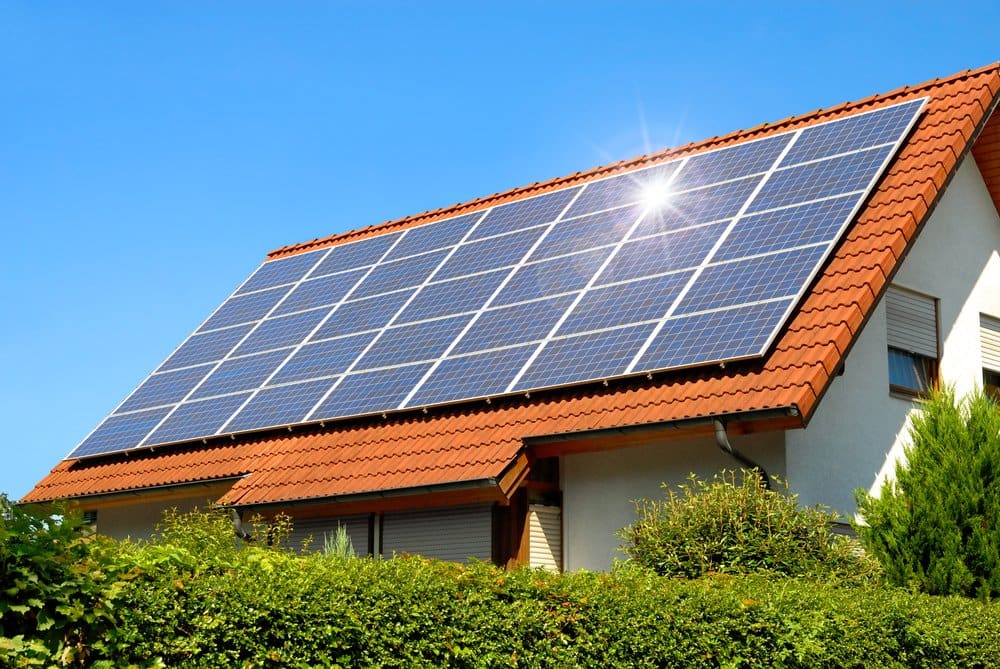


सूरज के ताप से खेतो में पहुंच पानी
अमर उजाला


Solar Parking Lot- Smart city
Policy for parking license only when supporting solar parking lot .every parking lot should have solar parking lot specially in metro parking ,


Solar roof Parking system new generation concept


http://vishesh2014.blogspot.in/2014/01/potential-of-development-india-parking.html


Gujarat’s solar panels over canals project is a great idea for sustainable energy production
https://yourstory.com/2017/02/gujarat-solar/


Solar panels on top of canal


http://www.thehindu.com/news/national/ban-ki-moon-commends-india-for-solar-initiative/article6777860.ece

Gujrat has over 2,965 acres, rows of photovoltaic cells or solar panels laid out across the state to harness the sun. They are generating 214 MW of electricity every day out-performing China's 200 MW Golmund Solar park. Gujarat invests nearly Rs 2,000 crore an year on renewable energy which has attracted investments of Rs 9,000 crore so far on solar energy projects.


Rajasthan floats an RfP for 2 MW Grid connected Solar PV power plant on Canal top! A GERMI study by Kaushik Patel
https://germipower.wordpress.com/2015/09/30/343/


Ref: Mygov

Energy Conservation


Revolutionise India through use of Renewable Energy
Enable behavioural change in households to adopt energy-efficient habits
Accelerate adoption of LED lights in homes, offices and streets
Enhance energy efficiency of all (government and private) office buildings


Solar Kranti
Electricity is generated using daylight, which means Solar Panel work even on cloudy days.Bescom earlier this year, allows any consumer who has solar panels installed at his residence to sync with Bescom's grid and feed any excess electricity generated back to the grid after their home requirements are met. It's a simple dual-meter system, where both your input and intake are measured.

"Under the scheme, customers can both import electricity from the grid and export excess electricity after self-consumption. While the maximum they pay per unit is Rs 5.50 per unit, they gets back Rs 9.56 for per unit produced,"


The only criteria to enter into a power purchase agreement with the electricity supply company is that you should have roof rights and the space to install at least a basic 1KW solar panel system.


"For individual home owners, a 10ft x 10ft shadow-free roof space, is sufficient for a 1 KW system that can generate around 4 to 5 units of electricity per day


the smallest 1 KW solar system, which can be put up on 100 sqft terrace or rooftop area, the cost around Rs 1 lakh along with another Rs 3000-4,000 for the second meter. The bigger ones of around 5KW capacity can cost up to Rs 5 to 6 lakh. However, since the system is a one-time cost that has an average life-span of 25 years,


The average monthly electricity consumption of a 2BHK in Bengaluru is around 200 units.This means, you would need at least a 1.52 KW Solar PV system that produces around 230-250 units per month, depending on the weather conditions, to be a Rs net exporter'.Generation capacity may decline during heavy downpour duration, typically for an hour or two during monsoon season.However, electricity is generated using daylight, which means they work even on cloudy days.


This system will cost around Rs 2 lakh. There are no recurring costs as the life of the panels is 25 years and you do not need batteries to store the energy as you are directly connected to the grid.


https://economictimes.indiatimes.com/wealth/spend/can-solar-power-your-home-and-your-wallet/articleshow/49072883.cms


Case-2 : Gas Turbine Base Electrical generation
देश सशक्त तभी बनेगा जब इंडस्ट्री सशक्त बनेगी और जनता के पास रोजगार होगा और यह सब तभी होगा जब इंडस्ट्री को 24 घंटे बिजली मिलेगी। यही वह मेन कारण है की कुछ सिटी और स्टेट तो स्मार्ट बन गए है और कुछ पिछड़ कर। कम्पनिया पलायन का कारण बन कर रहे है। .. उदहारण के लिए अहमदाबाद वड़ोदरा और कानपुर जबलपुर ग्वालिर को ले लीजिये।

देश को स्मार्ट बनाना है रोजगार पैदा करना है सिटी में इंडस्ट्री, कम्पनीज को बढ़ाना है और शहर को आत्मनिर्भर बनाना है तो ऊर्जा के पारम्परिक स्त्रोतों के साथ साथ गैस टरबाइन टेक्नोलॉजी को लगाना पड़ेगा।


इतिहास देखे तो उन्ही शहरों में कम्पनीज का विस्तार हुआ हे जहाँ गैस टरबाइन से इलेक्ट्रिसिटी की जरुरत को पूरा किया गया है , नहीं तो फरीदाबाद, कानपुर उप , पश्चिमबंगाल से कंपनियों का पलायन करना एक आम बात है।


Banchmark - Ahmedabad Gas Power eleacticity Plant Operational generating capacity of 500 megawatt (MW), comprising 400 MW coal-based thermal power plant at Sabarmati and 100 MW gas-based combined cycle power plant at Vatva, Ahmedabad.
Key Observation:
- Losses in electricity transportation
- Losses in electricity distribution
- Losses due to theft of electricity
- Taxes should be on right and true services un clarity in product & service so VAT & Service tax applicability need to be redefine to reduce burden on general public
- Manipulation by distributer company
Key Issue Electricity Bill Solution

- Domestic electric city generation is only the key to reduce the losses in electricity,
- The best practice to reduce the 50% of electric city bill in India is to benchmark Gujarat Ahmadabad.
- Lesson has to be learn from Ahmadabad electricity co & Gujarat electricity co. new technology of gas turbine for electricity generation is already establish in Ahmadabad.
- Distribution and unnecessary taxes parameter need to be redefine.


भारत की प्रगति के लिए, आत्मनिर्भर भारत बनाने के लिए भारत का Energy Independent होना अनिवार्य है।


Installed Capacity (in MW)

Source: Ministry of Power Website


Per Capita Consumption of Electricity


Case 3: Solid waste Management and Electricity Generation from waste
कचरे से बनी बिजली से जगमगाएंगे शहरhttps://vishesh2014.blogspot.com/2017/11/solid-waste-management-and-electricity.html


Case 4: वन नेशन वन टैरिफ देश मे एक बिजली दर की मांग,बिजली के लिए आएगी 'वन नेशन वन ग्रिड' पॉलिसी, चीनी कंपनियों का करार होगा खत्म https://vishesh2014.blogspot.com/2014/01/possibility-to-reduce-50-of-electricity.html


Case 5: Prepaid Electricity Meter
https://vishesh2014.blogspot.com/2021/01/prepaid-electricity-meter.html


Revolutionize India through use of Renewable Energy


- DC Generator concept


http://cleantechnica.com/2014/11/29/indias-solar-power-potential-estimated-750-gw/


Possibility to reduce 50% of electricity bill key concept

India’s Solar Power Potential Estimated At 750 GW


Untapped Potential of Wind Energy
http://pib.nic.in/newsite/erelease.aspx
PTI- dt 01.12.2014


Ref: Mygov


Energy Conservation


Revolutionise India through use of Renewable Energy
Enable behavioural change in households to adopt energy-efficient habits
Accelerate adoption of LED lights in homes, offices and streets
Enhance energy efficiency of all (government and private) office buildings


Banch Mark References
GUJARAT ELECTRICITY REGULATORY COMMISSION


Investment Issue
As concern as investment to establish these domestic plant, IPO - Public share is one of the best options.
Idea of generation power in railway by imposing horizontal twin direction fan on top of train roof. may be dc power generation concept can help in this subject


1. Study need to be done because it will create lots of thrust due to high RPM of Rotating Blade and their may be possibility that Train will fly or lift above track. practical aspect need to be check
Idea benchmark from factory at Faridabad , near nelam chock. Horizontal rotating blade mounted at top of roof.

2. To continues supply - we may required electrical storage system. -